Ecstasy
📅 2026 Update: Changes in Drug Policy and Overdose Rates
Since the original article on ecstasy was published, significant changes have occurred in U.S. drug policy and the landscape of substance use. Notably, drug overdose deaths have seen a decline, and telemedicine regulations have been adjusted to improve access to care. The earlier article continues further down the page, covering foundational knowledge about ecstasy and its legal implications.
🌍 Drug Overdose Deaths Decline
The U.S. has witnessed a 26.2% decrease in the drug overdose death rate from 2024 to 2026. The rate dropped from 31.3 to 23.1 deaths per 100,000 people. This decline is a positive sign in the ongoing battle against substance use disorders.
- 📉 79,384 drug overdose deaths occurred in 2024, marking a significant drop compared to previous years.
📱 Telemedicine Flexibilities Extended
Telemedicine has become more accessible for patients needing prescriptions for controlled medications. The U.S. Department of Health and Human Services and the DEA have extended telemedicine flexibilities through December 31, 2026.
- 💻 Patients can now receive prescriptions without prior in-person visits, making it easier to access necessary medications.
🌿 Federal Marijuana Rescheduling
In April 2026, the federal government reclassified state-licensed medical marijuana from Schedule I to Schedule III. This change recognizes its medical use while still maintaining its illegal status for recreational purposes.
- 🏛️ Despite this reclassification, recreational marijuana remains illegal at the federal level, with 24 states now legalizing it.
🏥 Improved Access to Addiction Treatment
The extension of telemedicine flexibilities has improved access to addiction treatment services. This is especially beneficial for individuals living in rural areas or those with mobility challenges.
- 🗺️ Access to treatment programs is crucial as 15.3% of the U.S. population aged 12 and older experienced a substance use disorder in 2025.
📌 Key Points Summary
- 📉 Drug overdose deaths decreased by 26.2% from 2024 to 2026.
- 📱 Telemedicine flexibilities for controlled medications extended to December 31, 2026.
- 🌿 Medical marijuana reclassified to Schedule III in April 2026.
- 🏥 Access to addiction treatment has improved, especially for rural populations.
- 🔍 15.3% of people aged 12 and older had a substance use disorder in 2025.
💡 Tips for Navigating Drug Laws and Resources
Reviewing your specific situation with an attorney can help clarify your options regarding drug laws and policies.
📜 Understand the New Telemedicine Rules
Telemedicine allows for easier access to prescriptions for controlled substances. Patients can now consult with registered practitioners remotely, which may benefit those unable to attend in-person appointments.
📅 Keep Track of Prescription Regulations
Regulations regarding telemedicine prescriptions remain flexible until the end of 2026. Stay informed about updates to ensure you comply with the latest guidelines.
🌐 Explore Local Resources for Treatment
Many local health departments provide free or low-cost addiction treatment services. Check with your local agencies to find available resources in your area.
📊 Monitor Substance Use Trends in Your Community
Stay aware of local overdose statistics and substance use trends. Understanding the prevalence can help identify areas where additional support or resources may be needed.
💬 Utilize Helplines for Immediate Assistance
The Substance Abuse and Mental Health Services Administration (SAMHSA) offers a national helpline at 1-800-662-HELP (4357) for confidential information and treatment referrals. This can be a valuable resource for immediate support.
🏥 Research Treatment Costs
Costs for addiction treatment programs can vary significantly. Outpatient services may range from $1,000 to $10,000 per month, while inpatient programs typically cost between $6,000 and $20,000 for 30 days. Knowing these figures can help you make informed decisions.
🏆 Free Options Ranked by User Reviews (2026)
No national paid services in this area met the review threshold, so this section highlights free government and nonprofit resources relevant to drug law and treatment.
🥇 1. Substance Abuse and Mental Health Services Administration (SAMHSA)
SAMHSA offers a national helpline for confidential information and treatment referrals. Their services are available to anyone struggling with substance use disorders.
- 📞 The helpline can connect individuals to local resources and support systems tailored to their needs.
🥈 2. Local Health Departments
Many local health departments provide free or low-cost addiction treatment services. These services often include counseling, group therapy, and support for substance use disorders.
- 🏢 Contact your local health department to learn about available programs and eligibility requirements.
🥉 3. National Alliance on Mental Illness (NAMI)
NAMI provides resources and support for individuals affected by mental health and substance use disorders. They offer educational materials and helplines for those seeking help.
- 📚 NAMI focuses on reducing stigma and increasing awareness of mental health issues, including substance use.
4️⃣ Community Support Groups
Numerous community organizations offer support groups for individuals battling addiction. These groups provide a safe space for sharing experiences and receiving encouragement.
- 🤝 Participating in a support group can foster connections and provide emotional support during recovery.
5️⃣ State-Specific Resources
Each state may have unique programs and funding available for addiction treatment. Research your state’s resources to find programs that fit your needs.
- 🌍 State resources may include grants, scholarships, or specific programs aimed at reducing substance use.
🔎 What to Check Before Paying for Help
- 💰 Understand the costs and payment options available for treatment.
- 📋 Verify the credentials of any provider or program you consider.
- 🗣️ Research reviews and testimonials from previous clients.
- 📞 Ensure the organization offers services appropriate for your specific needs.
❓ Frequently Asked Questions
❓ What is the current drug overdose death rate in the U.S.?
The drug overdose death rate in 2024 was 23.1 deaths per 100,000 people, showing a decline from previous years.
📅 How has telemedicine changed prescription practices?
Telemedicine regulations now allow patients to obtain prescriptions for controlled medications without prior in-person visits, improving access to care.
🌿 What are the implications of the federal marijuana reclassification?
The reclassification of medical marijuana to Schedule III acknowledges its medical use, but recreational use remains illegal under federal law.
🏥 What types of addiction treatment programs are available?
Addiction treatment programs vary, with outpatient services averaging between $1,000 and $10,000 per month, and inpatient programs costing $6,000 to $20,000 for a 30-day stay.
📞 How can I access immediate support for substance use issues?
You can call the SAMHSA helpline at 1-800-662-HELP (4357) for confidential support and treatment referrals.
📊 Are there disparities in overdose death rates across different demographics?
Yes, there are racial disparities in overdose death rates, with non-Hispanic Black individuals experiencing higher rates compared to the national average.
⚖️ Recent Cases Related to Drug Policy
Recent court rulings have impacted drug laws and policies, particularly concerning the regulation of substances and treatment options.
- Texas Appeals Court Reverses Drug Conviction of AkinrinlolaTexas Court of Appeals, 1st District (Houston) · May 28, 2026
- Eighth Circuit Affirms Drug Trafficking Convictions in MissouriCourt of Appeals for the Eighth Circuit · June 1, 2026
- Texas court rules on appeal in drug possession caseTexas Court of Appeals, 10th District (Waco) · May 28, 2026
- Texas court affirms 35-year sentence for drug possessionTexas Court of Appeals, 7th District (Amarillo) · May 26, 2026
For more information on recent rulings, visit the news section for more rulings.
End of October 2026 Update
What is Ecstasy?
Also referred to as MDMA, ecstasy is an illegal drug of the amphetamine and phenethlamine class of substances. When ingested (Ecstasy typically comes in pill form) the drug can induce a euphoric sense. In addition to this feeling, ecstasy also triggers a potent sense of intimacy with others and a diminished feeling of anxiety or depression.
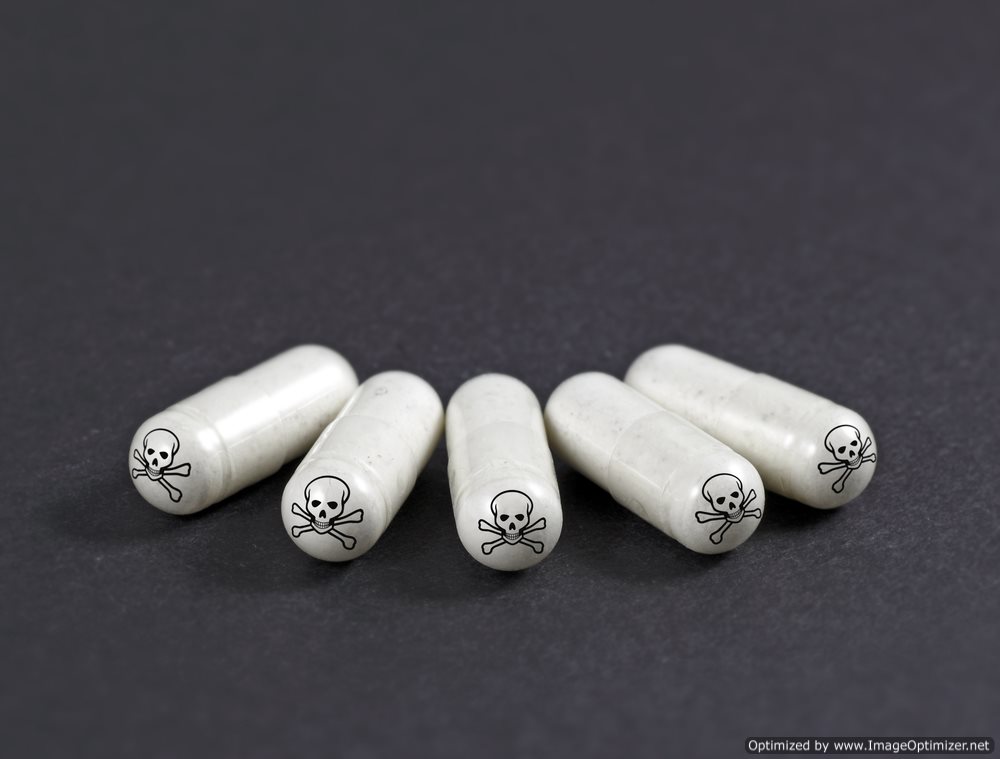
A number of studies, primarily in the fields of psychology and cognitive therapy, have suggested that Ecstasy, as a result of these side effects, possesses a variety of therapeutic benefits and facilitates therapy sessions in certain individuals.
Although the side effects produce a euphoric state, the drug is highly illegal and criminalized in most developed countries under a United Nations agreement. The possession, manufacturing and sale of ecstasy may result in criminal prosecution, although limited exceptions exist for medical and scientific purposes.
Ecstasy is one of the most widely used recreational drugs in the world and is ingested for a variety of reasons, which typically are removed from its roots in psychotherapeutic treatment settings.
Recreational Use of Ecstasy:
As stated before, ecstasy is one of the most widely used drugs in the world for recreational purposes. The popularity of the drug stems from not only the euphoric feelings it produces, but also because of its vast supply and relative cheapness—the European Monitoring Centre for Drugs and Drug Addiction notes that, some tablets are being sold on the market for as little as $1. That being said, the typical price of an ecstasy tablet fluctuates from $5 to $20.
Ecstasy is occasionally known for being taken in conjunction with other psychedelic drugs, such as mushrooms or LSD, or even more common drugs, such as marijuana. In most situations, however, the drug is taken in a party or rave setting. The drug triggers intense feelings of intimacy and sparks a strong sense of inner peace and self-acceptance.
When ingested, an ecstasy tablet will trigger feelings of empathy, compassion and forgiveness towards others; the drug is an extreme mood lift with an overwhelming accompanying of euphoria. In total, these feelings amplify basic human interaction, such as touching or dancing, and augment other basic functions, such as listening to music.
Adverse Effects of Ecstasy:
Ecstasy yields an assortment of side effects. The top adverse side effects, as noted by research and clinical trials, include: difficulty concentrating, jaw clenching, the constant grinding of teeth during sleep, a lack of appetite, dry mouth, severe thirst, cognitive impairment, severe depression, fatigue, impaired concentration, insomnia, aches and pains and residual feelings of empathy and emotional sensitivity.