What Are Homemade Drugs
📅 2026 Update: Changes in Homemade Drug Laws and Trends
Since the original article was written, significant changes have occurred in drug laws and trends in the United States. These changes impact everything from drug overdose rates to the prescription of controlled substances. The earlier article continues further down the page for those interested in the historical context.
📉 Drug Overdose Deaths Decline
In 2024, the U.S. saw a 26.2% decrease in the age-adjusted drug overdose death rate. This drop brought the rate down from 31.3 to 23.1 deaths per 100,000 people. This decline may reflect increased efforts in addiction treatment and prevention.
- 🔻 Key Impact: Reducing overdose deaths shows progress in addressing substance use disorders.
💻 Telemedicine Flexibilities Extended
The U.S. Department of Health and Human Services (HHS) and the DEA have extended telemedicine flexibilities for prescribing controlled medications until December 31, 2026. This allows patients to receive prescriptions without needing to visit a doctor in person.
- 📅 Key Impact: This extension enhances access to necessary medications, especially for those in rural areas or with mobility issues.
🌿 Federal Marijuana Rescheduling
In April 2026, the federal government reclassified state-licensed medical marijuana from Schedule I to Schedule III. This change recognizes its medical use but keeps it illegal for recreational purposes.
- ⚖️ Key Impact: This shift reflects evolving views on medical marijuana, affecting how it is treated under federal law.
💰 Costs of Addiction Treatment Programs
Addiction treatment costs can vary widely. Outpatient services average between $1,000 and $10,000 per month, while inpatient programs can range from $6,000 to $20,000 for a 30-day stay.
- 💵 Key Impact: Understanding these costs is crucial for individuals seeking help.
📌 Key Takeaways
- 📉 Drug overdose deaths dropped 26.2% from 2023 to 2024.
- 💻 Telemedicine prescriptions can now be issued without prior in-person visits until December 31, 2026.
- 🌿 Medical marijuana was reclassified to Schedule III in April 2026.
- 💰 Addiction treatment costs vary greatly, with outpatient services averaging $1,000 to $10,000 monthly.
- 🩺 Access to addiction treatment has improved, especially in underserved areas.
💡 Tips for Navigating Drug Legislation
Review the details of your personal circumstances with your attorney.
🩺 Understand Telemedicine Options
Telemedicine has made it easier to access prescriptions for controlled medications. Patients can consult with DEA-registered practitioners through virtual appointments.
💵 Budget for Treatment Costs
Addiction treatment can be expensive. Be aware of the potential costs associated with both inpatient and outpatient programs to prepare accordingly.
🌿 Stay Informed on Marijuana Laws
With the reclassification of medical marijuana, it's essential to stay updated on local and federal regulations. This knowledge can help you avoid legal issues.
📈 Monitor Drug Use Trends
Keep track of changes in substance use trends, such as the rise in stimulant-only overdose deaths. Understanding these can help in prevention and treatment efforts.
📞 Utilize Available Resources
Take advantage of free resources like the Substance Abuse and Mental Health Services Administration (SAMHSA) helpline for confidential support and treatment referrals.
🏆 Free Options Ranked by User Reviews (2026)
No national paid service in this area met the review threshold, so this section lists free government and nonprofit resources available.
🥇 1. Substance Abuse and Mental Health Services Administration (SAMHSA)
SAMHSA offers a national helpline at 1-800-662-HELP (4357). This helpline provides confidential information and treatment referrals for those struggling with substance use disorders.
- 📞 Who It Helps: Individuals seeking immediate support and resources for addiction treatment.
🥈 2. Local Health Departments
Many state and local health departments provide free or low-cost addiction treatment services. These programs can vary by location but often include counseling and support.
- 🏥 Who It Helps: Community members looking for accessible addiction treatment options.
🥉 3. National Alliance on Mental Illness (NAMI)
NAMI offers resources and support for individuals affected by substance use disorders. They provide educational materials and a network of support groups.
- 📚 Who It Helps: Families and individuals wanting guidance and community support in dealing with addiction.
🔍 What to Check Before Paying for Help
- 📝 Confirm the provider's credentials.
- 📍 Ensure services align with your needs.
- 💬 Read reviews from other clients.
- 📅 Ask about the costs upfront.
- 📞 Inquire about available financial assistance.
❓ Frequently Asked Questions
🤔 What is the current state of drug overdose deaths in the U.S.?
The drug overdose death rate in the U.S. declined by 26.2% from 2023 to 2024, with 23.1 deaths per 100,000 people reported in 2024.
📅 How has telemedicine changed drug prescriptions?
Telemedicine allows patients to receive prescriptions for controlled medications without prior in-person visits until December 31, 2026.
🌿 What does the reclassification of medical marijuana mean?
Medical marijuana is now classified as Schedule III under federal law. This acknowledges its medical use while keeping recreational use illegal.
💰 What should I expect in terms of addiction treatment costs?
Outpatient addiction treatment programs typically range from $1,000 to $10,000 per month, while inpatient programs can cost between $6,000 and $20,000 for a 30-day stay.
📈 What trends are emerging in substance use?
Recent data shows an increase in deaths involving stimulants alone, highlighting a shift in the overdose crisis that requires new prevention strategies.
🌍 Where can I find free support for addiction issues?
Resources like the SAMHSA helpline and local health departments can provide free or low-cost support for individuals struggling with substance use disorders.
⚖️ Recent Cases Related to Drug Laws
Recent court rulings have shaped the landscape of drug laws and enforcement in the United States. These rulings influence how homemade drugs and related offenses are treated under the law.
- Florida Court Affirms Drug Conviction in Appeal CaseDistrict Court of Appeal of Florida · March 23, 2020
- Florida court reverses cocaine conviction for lack of intentDistrict Court of Appeal of Florida · May 8, 2020
- Court affirms drug possession conviction of Ryan JosephDistrict Court of Appeal of Florida · May 20, 2020
- Florida court affirms drug trafficking conviction of BradwellDistrict Court of Appeal of Florida · June 26, 2020
Explore more recent rulings in the news section for further insights into ongoing legal developments. more rulings on the news page.
End of October 2026 Update
What are Homemade Drugs?
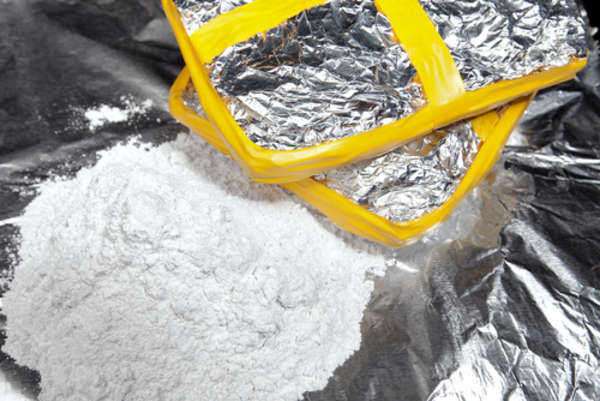
Homemade drugs refer to any natural product that can be produced in one’s home, without specialized laboratory equipment. Homemade drugs, as a term, can encompass both legal drugs, such as teas or cold-fighting medicines, to highly illegal drugs, such as meth. The ability to produce a homemade drug is dependent on the complexity of the substance.
Numerous homes are filled with chemicals and various agents that facilitate in the domestic process; for example, cleaning agents or paint is filled with chemicals that can be broken down or used to synthetically create homemade drugs.
What is a Natural Product?
A natural product is a chemical compound or substance that is produced by a living organism found in nature that typically has a pharmacological or biological activity for use in drug discovery or drug design. All natural products can be classified or considered as such even if the substance can be prepared by total synthesis.
The small molecules produced from natural organisms provide the source for the majority of FDA-approved agents and homemade drugs. As a result of this relationship, natural products continue to be one of the primary sources of inspiration for drug discovery.
Sources of Homemade Drugs:
Homemade drugs, which typically come from natural products, may be extracted from tissues of terrestrial plants, microorganism fermentation broths or marine organisms. Those homemade drugs that come from crude or untreated extracts typically will contain novel, structurally diverse chemical compounds, which a natural environment is a rich source of.
Chemical diversity in the earth’s natural environments is primarily based on geographical and biological diversity; as a result, researchers and scientists will travel around the world in hopes of obtaining samples to analyze and evaluate bioassays or drug discovery screens, which may in the future, yield beneficial drugs. This effort to search for natural drug sources is referred to as bioprospecting.
Following evaluation of a natural product and the observation that the substance can be beneficial, the scientists must screen the agent to identify, select and process the natural products destined for medicinal use.