Understanding Meth
📅 2026 Update: Recent Changes in Drug Policy and Substance Use
Since the original article was published, several important changes have occurred regarding drug policy and substance use in the United States. Key developments include a significant reduction in drug overdose deaths and changes to the legal status of marijuana. The earlier article continues further down the page, providing more context and information.
🚨 Drug Overdose Deaths Decline
In 2024, the U.S. saw a 26.2% decrease in the age-adjusted drug overdose death rate. This decline dropped the rate from 31.3 to 23.1 deaths per 100,000 people. In total, there were 79,384 drug overdose deaths in 2024, signaling a positive trend in combating this crisis.
💻 Telemedicine Flexibilities Extended
The U.S. Department of Health and Human Services and the DEA have extended telemedicine flexibilities until December 31, 2026. This allows patients to receive prescriptions for controlled medications without needing an in-person visit first.
This extension aims to increase access to essential medications for those who may have difficulty visiting healthcare providers.
🌿 Federal Marijuana Rescheduling
In April 2026, the federal government reclassified state-licensed medical marijuana from Schedule I to Schedule III. This change recognizes its medical use while keeping its recreational use illegal. As of May 2026, 24 states have legalized recreational marijuana, and nearly 40 states allow medical use.
💰 Costs of Addiction Treatment
The costs for addiction treatment programs can vary widely. Outpatient services typically average between $1,000 to $10,000 per month, while inpatient programs can range from $6,000 to $20,000 for a 30-day stay. Understanding these costs is crucial for individuals seeking help for substance use disorders.
📌 Key Points Summary
- Drug overdose deaths decreased by 26.2% in 2024.
- Telemedicine flexibilities for prescriptions extended to December 31, 2026.
- Medical marijuana reclassified to Schedule III in April 2026.
- Outpatient addiction treatment costs $1,000 to $10,000 monthly.
- Inpatient programs range from $6,000 to $20,000 for 30 days.
💡 Tips for Understanding Drug Laws and Substance Use
Review your specific situation with your attorney to ensure you understand your rights and options regarding drug laws.
📝 Understand Drug Classifications
Familiarize yourself with how drugs are classified under U.S. law, especially the differences between Schedule I and Schedule III substances. This knowledge helps you understand legal implications and access medical use options.
🏥 Explore Telemedicine Options
If you need prescriptions for controlled medications, consider telemedicine services. These options allow you to connect with DEA-registered practitioners without the need for in-person visits, improving access to care.
🔍 Research State Laws
Drug laws can vary significantly from state to state. Research your state's specific regulations, especially regarding marijuana use, to make informed decisions about your health and legal standing.
💸 Plan for Treatment Costs
Be prepared for the financial aspects of addiction treatment. Costs vary widely, so understanding the expected expenses helps you plan better and seek appropriate financial assistance if needed.
📞 Utilize Free Resources
Take advantage of free resources like the Substance Abuse and Mental Health Services Administration (SAMHSA). They offer confidential information and treatment referrals to help you navigate substance use issues.
👥 Seek Support Networks
Connecting with local support groups can provide valuable resources and assistance. These networks offer emotional support and practical advice for individuals and families facing substance use challenges.
🏆 Free Options Ranked by User Reviews (2026)
No national paid services met the review threshold for this area. Instead, this section focuses on free government and nonprofit resources that can assist individuals dealing with substance use issues.
🥇 1. Substance Abuse and Mental Health Services Administration (SAMHSA)
SAMHSA provides a national helpline at 1-800-662-HELP (4357). This helpline offers confidential information and treatment referrals for individuals struggling with substance use disorders. It helps connect people with local treatment options and support services.
🥈 2. Local Health Departments
Many state and local health departments offer free or low-cost addiction treatment services. These departments can guide individuals seeking help and provide valuable resources tailored to their communities.
🥉 3. National Alliance on Mental Illness (NAMI)
NAMI offers resources and support for individuals affected by substance use disorders. They provide educational materials and can connect people to local support groups, helping to foster community connections during recovery.
🔎 Before Paying for Help, Check:
- 🕵️♂️ Verify the credentials of any organization.
- 📞 Call and ask about services offered.
- 🔍 Research user reviews and testimonials.
- 💰 Clarify all potential costs upfront.
- 📆 Check for any application deadlines or requirements.
❓ Frequently Asked Questions
❓ What are the current drug overdose death rates?
As of 2024, the age-adjusted drug overdose death rate in the U.S. is 23.1 deaths per 100,000 people. This represents a decline from previous years.
📈 How has substance use disorder prevalence changed?
The prevalence of substance use disorders in the U.S. decreased from 16.7% in 2021 to 15.3% in 2025. This trend indicates improvements in addressing these issues.
🌱 What does the rescheduling of marijuana mean?
The reclassification of medical marijuana to Schedule III acknowledges its medical use while keeping recreational use illegal. This change affects how it is prescribed and accessed.
🕒 How quickly can I get a telemedicine prescription?
Telemedicine prescriptions are typically processed within 24 to 48 hours after a consultation with a registered practitioner.
📊 Are there differences in overdose death rates by state?
Yes, there are significant variations in overdose death rates across states. For example, West Virginia had the highest rate at 48.9 per 100,000, while Nebraska had the lowest at 8.1 per 100,000.
💬 Where can I find support for substance use issues?
Support can be found through resources such as SAMHSA, local health departments, and organizations like NAMI. These resources offer valuable information and referrals for treatment.
⚖️ Recent Cases Related to Drug Law
Recent court rulings have focused on changes in drug classifications and the implications for both patients and healthcare providers. These cases highlight the evolving landscape of drug policy and its impact on substance use treatment.
- Puerto Rico Court Denies Evidence Suppression in Drug CaseTribunal De Apelaciones De Puerto Rico/Court of Appeals of Puerto Rico · June 25, 2026
- Florida court upholds search of vehicle linked to cannabisDistrict Court of Appeal of Florida · September 23, 2026
- Court upholds conviction of Florida man for cocaine possessionDistrict Court of Appeal of Florida · September 25, 2026
- Ohio Court of Appeals affirms gun and drug convictionsOhio Court of Appeals · September 25, 2026
For further information, you can browse more rulings on the news page.
End of October 2026 Update
What is Meth?
Methamphetamine – also known as ‘Meth’ – is a chemical-based drug that can be created from a variety of toxic chemicals that are considered to be deadly upon human ingestion. Meth has been held responsible for a variety of crimes, changes in behavior, injuries, and deaths resulting from its usage; Meth is considered to be one of the most addictive drugs currently in circulation.
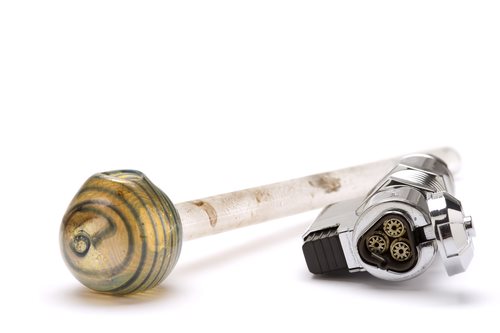
Meth is a psychostimulant of the phenethylamine and amphetamine class of psychoactive substances; when ingested or taken, Meth increases alertness, concentration, energy levels, and in high doses, can induce euphoric feelings and enhance self-esteem as well as an individual’s sex drive.
As a result of these side effects, meth has a high potential for abuse and addiction; the drug activates the psychological reward system by triggering a cascading release of dopamine in the brain. Although Meth is highly illegal for recreational use, the drug is FDA approved for the treatment of ADHD, as well as exogenous obesity. When used legally for the treatment of such ailments, Meth is dispensed in the United States under the trademark name Desoxyn.
Because Meth-induced neurotoxicity to dopaminergic neurons, chronic abuse of the drug may lead to symptoms which persist beyond the simple withdrawal period. Habitual users of Meth often go through severe withdrawal struggles that can last well beyond a year.
Furthermore, research has found that over 20% of meth addicts experience a psychosis resembling schizophrenia which may persist for longer than six months following the use of the drug. In addition to the psychological harm precipitated by Meth use, physical harm, including cardiovascular damage, is common when the drug is abused.
How is Meth Made?
Meth is an illegal drug, which is unlawful to possess under any circumstance. That being said the production of Meth is fairly common, particularly in desolate or impoverished areas throughout the United States. Meth is synthetically produced by illegal Drug Manufacturing operations called ‘Meth Labs’.
Criminal Charges Associated with Meth:
Amongst the multitude of classifications inherent to the drug industry within modernity – ranging in legality, accessibility, and punitive recourse concerning the possession of Meth, the following criminal charges may be applicable to individuals undertaking the use of Meth:
The Possession of Meth:
A charge furnishing details expressing the illegal possession of Meth may be defined as the unlawful, illicit, and prohibited ownership of Meth; however, the nature within which the individual suspect in question gained access to the Meth may also be associated with the investigation.
Criminal charges expressing the illegal possession of Meth are subject vary in nature, which commonly involves the classification of Meth discovered on the person of the individual, the location within which the apprehension took place, the analysis of any or all criminal history belonging to the individual suspect, as well the implicit, intended usage of the Meth discovered on the individual suspect.