5 Facts that you didn’t Know About Marijuana
📅 2026 Update: Changes in Marijuana Law and Use
Since the original article was published, there have been significant updates regarding marijuana laws and its medical use. The FDA has approved new cannabinoid medications, and the average THC concentration in marijuana has risen, affecting its psychoactive effects. These changes impact how marijuana is viewed and used today.
For more details on these developments, continue reading below.
🌱 FDA Approval of New Cannabinoid Medications
In 2024, the FDA approved Epidiolex, a purified liquid form of cannabidiol (CBD), specifically for treating rare seizure conditions in children. This includes serious disorders like Lennox-Gastaut syndrome and Dravet syndrome. This approval marks a significant step in recognizing the therapeutic potential of cannabis-based products.
🌿 Rising THC Concentration
The average THC concentration in marijuana has increased from 4% in 1995 to 12% in 2024. This rise means that marijuana users may experience stronger psychoactive effects than in the past. It's essential for users to understand these changes as they may influence their consumption habits and health outcomes.
💰 Current Costs of Medical Marijuana
The costs for medical marijuana vary widely across states and dispensaries. Prices now range from $10 to $20 per gram. As more states legalize medical marijuana, understanding local pricing becomes crucial for users seeking treatment.
⚖️ Medical Marijuana Eligibility Rules
Eligibility for medical marijuana continues to vary by state. Many states require users to have a qualifying medical condition and a recommendation from a licensed healthcare provider. It is important for potential users to familiarize themselves with their state's specific requirements to ensure they qualify.
📌 Key Updates Summary
- 🌱 FDA approved Epidiolex for rare seizures in children.
- 🌿 Average THC levels have risen to 12% since 1995.
- 💰 Medical marijuana prices range from $10 to $20 per gram.
- ⚖️ Eligibility rules for medical marijuana vary by state.
- 📑 Stay informed about local laws and regulations regarding cannabis use.
💡 Tips for Navigating Marijuana Laws
Review the details of your specific situation with your attorney. Understanding the legal landscape is crucial when considering marijuana use or obtaining medical marijuana.
📝 Know Your State's Laws
Each state has different laws regarding marijuana use. Check your state’s regulations to understand what’s legal and what isn’t.
🚑 Get a Medical Recommendation
If you want to use medical marijuana, obtain a recommendation from a licensed healthcare provider. This is often a requirement to access medical marijuana in many states.
📊 Stay Informed on THC Levels
Be aware of the THC levels in the marijuana you consume. Higher concentrations can lead to stronger effects, which may not be suitable for everyone.
💵 Budget for Medical Marijuana
Plan your budget for medical marijuana, as prices can vary significantly by state. Knowing the costs will help you manage your expenses.
👩👧👦 Consider Health Risks
If you are pregnant or have underlying health issues, think about the potential health risks of marijuana use. Research has linked marijuana use to various health concerns.
🏆 Ranked by User Reviews (2026)
In this section, we will look at services related to marijuana law and health. These services can provide helpful information and support regarding marijuana use and its legal implications. The rankings are based on Trustpilot data checked in October 2026.
Keep in mind that scores can change, and unhappy customers often leave more reviews. Ratings are just one signal to consider.
🥇 1. Registrar Corp
Registrar Corp holds a Trustpilot score of 4.5. The company is known for its FDA consulting services, including assistance with FDA registration and compliance. While many reviewers appreciate their expertise, some have mentioned issues with customer service, which potential clients should consider.
🆓 Free Support Options
The Substance Abuse and Mental Health Services Administration (SAMHSA) offers a free helpline for those facing substance use disorders. This service is available 24/7 and is confidential, providing support in both English and Spanish. Additionally, the CDC provides information on cannabis and its effects, which can be vital for users and families looking to understand marijuana better.
🔎 Factors to Compare When Choosing Services
- 📋 Reputation: Check reviews and ratings on Trustpilot.
- 🏢 Expertise: Look for services with a focus on marijuana law and health.
- 💬 Customer Support: Consider the quality of support from the service.
- 💰 Cost: Understand any fees associated with the service.
❓ Frequently Asked Questions
❓ What conditions qualify for medical marijuana?
Different states have varying lists of qualifying conditions. Common ones include chronic pain, epilepsy, and cancer. Check your state's specific regulations for a complete list.
🚗 Does marijuana use affect driving?
Yes, marijuana can impair driving abilities. Users may experience slower reaction times and decreased coordination, which increases the risk of accidents.
🧠 How does marijuana impact mental health?
Studies link marijuana use to mental health issues such as depression, anxiety, and psychosis. These effects can vary based on individual circumstances and usage patterns.
🤰 Is marijuana safe to use during pregnancy?
Using marijuana during pregnancy can harm fetal development, leading to issues such as low birth weight and cognitive problems later in life. Pregnant individuals should consult healthcare professionals.
🩺 Are there FDA-approved cannabinoid medications?
Yes, medications like Dronabinol (Marinol) and Nabilone (Cesamet) are FDA-approved for treating nausea and vomiting related to chemotherapy. These medications offer a legal and regulated option for patients.
📈 How can I find local marijuana dispensaries?
Local dispensaries can typically be found through state health department resources or cannabis directories. Make sure to check their licensing and compliance with local laws.
⚖️ Recent Cases in Marijuana Law
Recent court rulings have shaped the landscape of marijuana law in the U.S. These decisions affect how marijuana is regulated and the legal rights of users.
- Ohio court affirms mandatory sentence in drug trafficking caseOhio Court of Appeals · September 21, 2026
- Ohio Court upholds sentence for Kristi Day in drug caseOhio Court of Appeals · September 15, 2026
- Ohio Court affirms drug convictions of Jarius WilsonOhio Court of Appeals · September 21, 2026
- Oregon court reverses cocaine conviction in State v. BurkeCourt of Appeals of Oregon · September 23, 2026
For more recent rulings, check out more rulings on the news page.
End of October 2026 Update
The Biological Science of Marijuana
Marijuana is a naturally occurring, controlled-substance which is classified as a plant that sprouts from Marijuana seeds; individuals granted the expressed permission to grow Marijuana are required to be in both receipt of permission to do so mandated – and authorized by the jurisdictional government body in question. Marijuana produces a wide range of effects in the user, including lightheadedness, dizziness, confusion, paranoia, lethargy, increased hunger, and hallucination; their pointed leaves can serve as the most primary method of the identification of Cannabis plants.
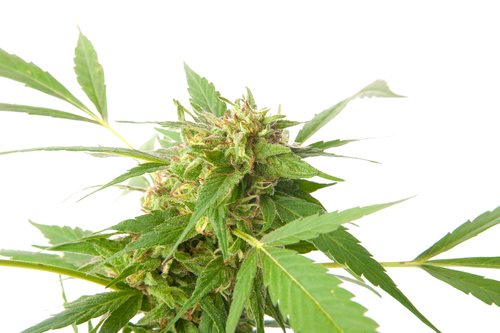
The Cultivation of Marijuana
Unless granted the expressed permission by applicable, governmental departments, undertaking any means of growing, possessing, using, selling, transporting, or buying Marijuana is a punishable and illegal act. In the event that an individual is granted authorization to undertake the growth of Marijuana, these individuals may undertake of a cross-fertilization process, which involves the fertilization of seeds derived from the Cannabis plant, which are found naturally occurring in nature.
The male marijuana plant can be cross-fertilized with the female marijuana plant in order to create the drug – marijuana plants can be grown above or below water and can range from one to seven feet in height.
Marijuana: Controlled Substance vs. Illegal Drug
A substance or item whose use, possession, or purchase undertaken in a legal fashion is permissible with regard to applicable jurisdictional statutory legislature; in order for # to be considered as such, the individual in possession of Marijuana will be required to obtain the expressed permission granted from the Federal Government of the United States and the prescription of Marijuana from a certified medical practitioner.
In contrast to the usage and possession of controlled substances, whose legality is contingent upon authorized permission granted by regulatory institutions and professionals, Marijuana usage and possession classified as illegal are uniformly prohibited.
The Medical Marijuana Debate
Medical Marijuana is a strain of Marijuana plants and Marijuana seeds that has been deemed as valuable and effective in the treatment of a number of medical – and health – maladies, including certain types of cancer and glaucoma. Medical Marijuana can be prescribed to specific patients residing in specific locations upon being granted expressed permission from an approved and accredited health professional:
Any activity that takes place involving Medical Marijuana existing outside of its intended usage is a punishable offense
As of June of 2011, 17 States within the United States of America permit varying degrees of medicinal marijuana usage, possession and cultivation; however, this permission must be authorized by the applicable State legislature in order to be considered legal
Reporting Illegal Marijuana Usage
Regardless of the degree of usage or quantity of Marijuana - or any other type of illegal substance – illegal Marijuana use, possession, and sales are a very serious offense, which risk damage, harm, and destruction onto individual wellbeing, as well as the community at large. Please contact the Drug Enforcement Agency (DEA) their telephone number (202) 307-1000 or your local ‘Crime-Stoppers’ organization if you have any information.