Drug Cultivation
📅 2026 Update: Changes in U.S. Drug Cultivation and Laws
Since the original article was written, there have been notable developments in U.S. drug laws, particularly concerning marijuana cultivation and federal policies. The landscape of drug-related legislation continues to shift, impacting both cultivation and trafficking regulations. The earlier article will provide more context on these topics further down the page.
🌱 Marijuana Cultivation Trends
As of October 2023, 19 states and the District of Columbia have approved recreational marijuana use. This allows adults in these areas to grow a limited number of plants for personal use. The specific regulations regarding plant counts and cultivation conditions differ from state to state.
As more states consider legalization, the trend toward personal cultivation is likely to grow.
🚫 Opium Poppy Regulations
The cultivation of opium poppies remains illegal across the United States. Classified as a Schedule II substance under the Controlled Substances Act, any activity involving opium poppies is a federal offense. This strict regulation reflects ongoing concerns about the opioid crisis and the need to control substances that can lead to addiction.
⚖️ Drug Trafficking Penalties
Drug trafficking continues to be a serious offense. Federal penalties can be harsh, with minimum prison sentences for large quantities of drugs. For instance, trafficking 1 kilogram or more of heroin can lead to a minimum of 10 years in prison.
State penalties vary, with some states offering reforms aimed at reducing incarceration for non-violent offenses.
💊 Prescription Drug Oversight
The opioid crisis remains a pressing issue. Prescription opioids have significantly contributed to this crisis. The CDC has introduced guidelines to limit opioid prescriptions and encourage alternative pain management methods.
This shift aims to address misuse and ensure public safety regarding prescription drugs.
📌 Key Points Summary
- Marijuana cultivation laws have expanded in several states.
- Opium poppy cultivation remains illegal federally.
- Drug trafficking carries severe federal and state penalties.
- The opioid crisis continues to influence drug policy and prescribing practices.
- Regulatory changes are ongoing, focusing on public health and safety.
💡 Tips for Understanding U.S. Drug Cultivation and Laws
It is important to discuss your specific situation with an attorney to understand how these laws might apply to you.
🌿 Know Your State Laws
Each state has different regulations regarding marijuana cultivation. Familiarize yourself with the number of plants you can grow and the specific conditions that apply. This will help you stay compliant with local laws.
⚖️ Understand Federal Regulations
Even if your state has legalized marijuana, it remains illegal at the federal level. Be aware that federal laws can still impact your rights, especially if you are involved in interstate activities.
📉 Stay Informed on Drug Trafficking Laws
Drug trafficking laws can vary significantly by state. Understanding these differences can help you navigate potential legal issues and avoid harsh penalties.
💊 Monitor Prescription Drug Guidelines
Stay updated on guidelines regarding prescription opioids and other controlled substances. Understanding these regulations can help prevent misuse and ensure you follow best practices for health and safety.
🔍 Utilize Available Resources
Resources like the CDC and the DEA offer valuable information on drug regulations and treatment options. Use these tools to educate yourself about legal requirements and health resources.
🏆 Services Ranked by User Reviews (2026)
This section covers services related to drug laws, focusing on compliance and regulatory assistance. The following services have been ranked based on their Trustpilot ratings as of October 2026. Scores can change, and they provide just one perspective on customer satisfaction, which may vary across different clients.
🥇 1. Registrar Corp
Registrar Corp has been rated 4.4. This company is recognized for its assistance with FDA regulatory compliance and FDA registration services. Reviewers note its effectiveness in helping businesses navigate complex regulations.
However, some feedback indicates that not all reviewers are U.S. clients, which may affect the relevance of their experiences.
🆓 Free Government Resources
Several government agencies provide free information and services related to drug laws and regulations. The Substance Abuse and Mental Health Services Administration (SAMHSA) offers access to resources about addiction treatment and prevention. Local health departments also provide information on drug policies and health services available in your area.
🔎 What to Compare When Choosing Services
- 📜 Service offerings related to compliance and drug laws.
- 💬 Customer reviews and experiences.
- 📈 Trustpilot ratings and review counts.
- 🌐 Availability of resources for public health and safety.
- 🏢 Expertise in U.S. drug law and regulations.
❓ Frequently Asked Questions
🤔 What are the consequences of growing marijuana illegally?
Growing marijuana without the proper permissions can lead to serious legal consequences, including fines and imprisonment, depending on state and federal laws.
🚨 How does federal law affect state marijuana programs?
Although many states have legalized marijuana, it remains classified as a Schedule I substance federally. This means federal authorities can still enforce laws against marijuana cultivation and use.
💡 Are there resources for addiction treatment?
Yes, the federal government, through agencies like SAMHSA, offers resources and funding for addiction treatment services, including both inpatient and outpatient programs.
🌍 How can I find out about local drug laws?
Local health department websites or state government resources often provide updated information regarding drug laws and regulations specific to your area.
📊 What is the current state of prescription drug regulations?
Prescription drug regulations continue to evolve, especially concerning opioids. The CDC has guidelines to help reduce prescribing and promote alternative treatments to combat misuse.
🏛️ What are harm reduction strategies?
Harm reduction strategies aim to lessen the negative consequences of drug use. These include needle exchange programs and supervised consumption sites designed to improve public health outcomes.
⚖️ Recent Cases Related to Drug Cultivation and Laws
Several recent court rulings have addressed issues related to drug cultivation and related offenses. These cases reflect the ongoing evolution of drug law and its implications for individuals and businesses.
- Court reduces sentence for Andy Sukram in drug caseAppellate Division of the Supreme Court of the State of New York · September 16, 2026
- New York court upholds drug conviction of Gerardo JorgeAppellate Division of the Supreme Court of the State of New York · September 16, 2026
- Georgia Court upholds drug trafficking convictions of ScottCourt of Appeals of Georgia · September 17, 2026
- Ohio Court affirms ruling in Blankenship drug case appealOhio Court of Appeals · September 18, 2026
For more recent rulings, please check latest updates on the news page.
End of October 2026 Update
What is Drug Cultivation?
The Drug Cultivation is defined as the manufacturing of illegal drugs and controlled substances; while a variety of Cultivation activity is not only authorized with regard to its respective legality, but also necessary in order to provide medical and physiological treatment for a variety of maladies suffered upon the human condition.
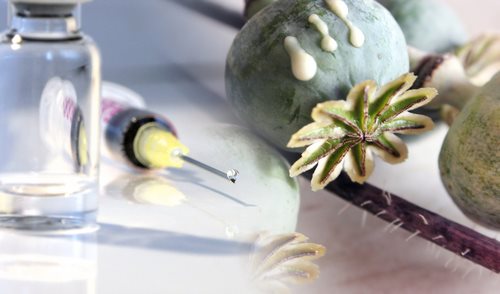
However, unauthorized, illegitimate, and illegal Cultivation operations are viewed as serious criminal offenses oftentimes equivalent to associated charges applicable to the possession, sales, and trafficking of drugs and controlled substances:
Cultivation vs. Possession
Although the cultivation of drugs may not involve the individual suspect possessing drugs in its final form, merely the possession or sale of the ingredients and key components used in order to manufacture Drugs may be sufficient for apprehension of the guilty party. For example, an individual in possession of Marijuana Seeds – although not in the form of the adult Cannabis plant – will typically be charged with the intent to undertake the illegal cultivation of Marijuana.
Organic vs. Synthetic Cultivation
The vast expanse of drugs available within society will typically conform to 1 of 2 classifications – organic drugs or synthetic drugs; while organic drugs such as Marijuana, Heroin, Cocaine, and Hallucinogenic Mushrooms are considered to be naturally-occurring relating to their purest form, synthetic drugs require cultivation through the transfer of chemicals – drugs requiring synthetic cultivation include methamphetamine, the bulk of prescription drugs, and Crack-Cocaine.
The Drug Enforcement Agency and the Prevention of Cultivation
The Drug Enforcement Agency (DEA) is a Federal Department under the jurisdiction of the United States Government responsible for the enforcement, investigation, legal oversight, case study, and apprehension of any or all individuals and entities suspected of undertaking activity pertaining to the cultivation of illegal drugs and controlled substances:
In the event that you or someone you know has been made aware of any drug-related criminal activity or a proliferation of drug abuse taking place within your respective community, you are encouraged to contact the Drug Enforcement Agency; reports and tips may be furnished in an anonymous fashion – the Drug Enforcement Agency can be contacted through the following means:
Drug Enforcement Administration
Office of Diversion Control
8701 Morrissette Drive
Springfield, Virginia
22152
(202) 307-1000
The National Institute on Drug Abuse Reports on Drug Cultivation
The National Institute on Drug Abuse (NIDA) is a Federal Agency mandated by the Federal Government of the United States responsible for the administration, oversight, analysis, and disbursement of essential findings on drug addiction, drug abuse facts, the rate of drug cultivation, and drug abuse statistics in order to raise the collective awareness of the general citizenry of the United States of America
In the event that you wish to obtain reports or findings illustrating Cultivation, you are encouraged to contact the National Institute on Drug Abuse through the following means:
National Institute on Drug Abuse and National Institutes of Health
6001 Executive Boulevard - Room 5213
Bethesda, Maryland
20892
(301) 443-1124