Important Facts You Must Know About Street Drugs
📅 2026 Update: Key Changes in Drug Laws and Policies
Since the original article was published, several important changes in drug laws and policies have taken place. These updates impact controlled substances, addiction treatment, and the ongoing discussions regarding marijuana. The following sections summarize the key developments that have occurred since the article was written.
🌱 Marijuana Rescheduling Efforts
In May 2024, the DEA proposed changing the classification of marijuana from Schedule I to Schedule III. This change recognizes marijuana's medical use and lower potential for abuse. As of October 2026, this process is still ongoing, with administrative hearings planned.
This shift could lead to more accessible medical marijuana options for patients.
🤝 Great American Recovery Initiative
On January 29, 2026, President Biden announced the Great American Recovery Initiative. This initiative aims to enhance addiction treatment and recovery services across the country. The program focuses on providing resources and support for those struggling with addiction, aiming to improve overall public health.
💰 Federal Penalties for Drug Offenses
Under 21 U.S.C. § 960, individuals found guilty of importing or exporting controlled substances may face severe financial penalties. Fines can reach up to $10 million for individuals and $50 million for organizations. These penalties underscore the seriousness of drug trafficking offenses.
📝 Prescription Requirements and Validity
Schedule II controlled substances require a written prescription from a licensed practitioner, as stated in 21 U.S.C. § 829. Additionally, prescriptions for these substances cannot be refilled and have a limited validity period, as determined by federal regulations. This ensures careful management of powerful medications.
📌 Key Points to Remember
- 🌱 Marijuana may be rescheduled from Schedule I to Schedule III.
- 🤝 The Great American Recovery Initiative aims to improve addiction treatment nationwide.
- 💰 Severe fines are in place for drug trafficking offenses.
- 📝 Schedule II substances require a written prescription and cannot be refilled.
- 🚫 Unlawful drug users are prohibited from firearm possession.
💡 Tips for Navigating Drug Laws and Policies
Review the details of your situation with your attorney to understand how these laws apply to you.
📜 Understand Drug Schedules
Familiarize yourself with the different schedules of controlled substances. Knowing which drugs fall under each category will help you better understand their legal implications and the penalties for violations.
🏥 Seek Addiction Treatment Resources
If you or someone you know is struggling with addiction, explore the resources available through the Great American Recovery Initiative. The program is designed to provide support for treatment and recovery options nationwide.
💼 Know the Prescription Rules
Be aware of the specific rules regarding prescriptions for Schedule II substances. Since they cannot be refilled, ensure you manage your medication carefully and seek new prescriptions in a timely manner.
🛡️ Firearm Regulations
If you are a user of controlled substances, be cautious about possessing firearms. The law prohibits unlawful users from firearm ownership, which may have serious legal consequences.
📅 Stay Updated on Drug Policies
Keep an eye on changes in drug laws and policies. Regularly checking for updates can help you stay informed about new regulations that may affect you or your community.
🏆 Services Ranked by User Reviews (2026)
This section highlights services related to prescription and pharmaceutical needs, relevant to the topic of street drugs. The rankings are based on Trustpilot data from October 2026, which can change over time. Ratings reflect customer experiences, but remember that dissatisfied customers tend to leave more reviews, which can affect scores.
🥇 1. En-Vision America
En-Vision America has been rated 4.5 on Trustpilot. The company is known for providing accessible prescription labeling solutions and innovative pharmacy technologies. However, it mainly serves pharmacies rather than individual consumers, which might limit its usefulness for personal prescription needs.
🥈 2. RushTranslate
RushTranslate holds a 4.8 rating. This service specializes in certified pharmaceutical translation services, ensuring compliance with regulations. While it is highly regarded in the pharmaceutical industry, its offerings are limited to that sector, which may not cater to all individuals seeking help with drug-related issues.
🥉 3. Day Translations
Day Translations has an impressive 4.7 score. Known for its professional interpreting services and HIPAA-compliant language solutions, it focuses primarily on interpretation rather than document preparation. Its expertise is beneficial for those needing assistance in medical or legal contexts related to drug issues.
🆓 Free Government and Nonprofit Help
The Great American Recovery Initiative offers free resources and support for addiction treatment and recovery. This government program aims to help individuals access the necessary services and information for overcoming addiction challenges.
🔎 Comparing Drug-Related Services
- 🏆 Service ratings from users
- 📜 Types of services offered
- 💬 Customer experiences and reviews
- 💰 Cost and availability of services
- 🏥 Focus on addiction treatment and recovery support
❓ Frequently Asked Questions
❔ What is the current status of marijuana rescheduling?
The DEA proposed rescheduling marijuana from Schedule I to Schedule III in May 2024. As of October 2026, this process is ongoing, with hearings set to discuss the changes.
🚨 What are the penalties for drug trafficking?
Individuals convicted of importing or exporting controlled substances may face fines up to $10 million for individuals and $50 million for organizations under 21 U.S.C. § 960.
🏥 How can I access addiction treatment resources?
The Great American Recovery Initiative, launched in January 2026, provides resources and support for addiction treatment nationwide. This program is aimed at helping those struggling with addiction.
⚖️ What are the rules for prescribing Schedule II substances?
According to 21 U.S.C. § 829, Schedule II controlled substances require a written prescription from a licensed practitioner. These prescriptions cannot be refilled and must be managed carefully.
🔫 Can unlawful drug users possess firearms?
No, under 18 U.S.C. § 922(g)(3), individuals who are unlawful users of controlled substances are prohibited from possessing firearms. This is an important legal consideration for those affected by drug use.
📅 When must the National Drug Control Strategy be submitted?
The President is required to submit a National Drug Control Strategy to Congress by the first Monday in February following the year of inauguration, and every two years thereafter, according to 21 U.S.C. § 1705.
⚖️ Recent Cases Related to Drug Laws
Recent court rulings have focused on cases involving drug trafficking, possession, and related regulations. These rulings connect directly to the topics discussed in this article.
- Puerto Rico court rules on drug evidence suppression caseTribunal De Apelaciones De Puerto Rico/Court of Appeals of Puerto Rico · August 28, 2026
- Pennsylvania court affirms sentence for drug possession caseSuperior Court of Pennsylvania · October 20, 2026
- Pennsylvania Court Upholds Drug Conviction of William BlakeSuperior Court of Pennsylvania · October 20, 2026
- Wisconsin Court Upholds Evidence Suppression in Drug CaseCourt of Appeals of Wisconsin · October 20, 2026
For more recent rulings, feel free to browse more rulings on the news page.
End of October 2026 Update
What are Street Drugs?
Street Drugs is a colloquial term that is used to
classify an illegal drug that possesses a market of supply and demand in an
urban or suburban environment. Common street drugs include: Crack cocaine,
powder cocaine, marijuana, heroin and ecstasy. These drugs are all illegal in
nature—with the exception of marijuana which has been rendered legal or
decriminalized in 12 states throughout the country—and highly addictive. As a
result of their addictive characteristics, street drugs possess a constant
market—there are always buyers and sellers in a given community.
Street drugs are addictive as a result of their
psychological and physical side effects. Although each street drug administers
a different feeling on its user, all street drugs possess some sort of worth to
its buyer. For example, ecstasy transforms the user into a euphoric and
forgiving individual, while marijuana enables the user to relax and put his or
her mind at ease. These psychological side effects, however, are not infinite
in nature and as a result, yield a horrible withdrawal period, causing the user
to become addicted.
What is Recreational Drug Use?
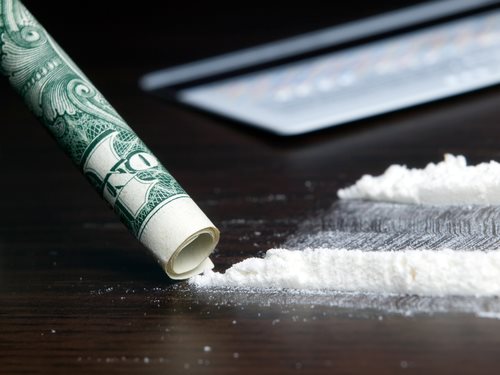
Recreational drug use refers to the use of a drug,
typically a psychoactive substance or street drugs, with the intention of
creating or enhancing an individual’s recreational experience or activity. This
form of use, however, is highly controversial and often labeled as drug abuse,
particularly when the drug in question is classified as a dangerous street
drug. The recreational use of street drugs, in the majority of jurisdictions
throughout the United States, is deemed illegal.
The penalties attached to the use, distribution or
possession of street drugs will vary depending on the drug in question, the
quantity and the intent of the individual. In addition, if the individual has a
long history of abusing or selling street drugs the penalties attached will
invariably be more severe.
Classifications of Street Drugs:
Depressants: These types of street drugs are
psychoactive in nature, meaning they temporarily diminish the function or
activity of a specific part of the body or mind. Examples of such effects
include: sedation, anxiolysis and hypotension. Due to these effects, such forms
of street drugs possess a “down” quality to them. These types of street drugs
are held in contrast to “uppers” or stimulants which cause the user to feel a
heightened sense of awareness and an overwhelming feeling of strength.
Antihistamines: These types of street drugs will
inhibit the release or action of histamine; these are legal or over the counter
forms of medication that may be used and sold for an illegal purpose.
Hallucinogens: These types of street drugs can be
subdivided into three broad categories: dissociatives, delirants and
psychedelics. Hallucinogens may cause subjective changes in thought, emotion
consciousness and perception. Unlike other forms of street drugs, this
classification does not merely amplify familiar states of mind, but induces
experiences that differ from ordinary states of consciousness.