The Dangers of Prescription Drug Abuse
📅 2026 Update: Changes in Prescription Drug Use and Addiction Treatment
Since the original article was written, there have been several important changes regarding prescription drug abuse and addiction treatment in the U.S. These updates reflect ongoing efforts to combat drug misuse and improve access to care. The details from the earlier article continue further down this page.
📉 Drug Overdose Deaths Decline
In a significant development, the U.S. saw a 26.2% decrease in drug overdose deaths from 2023 to 2024. The age-adjusted rate fell from 31.3 to 23.1 deaths per 100,000 people. This decline indicates positive trends in addressing the overdose crisis.
💻 Telemedicine Flexibilities Extended
Telemedicine regulations have been expanded through December 31, 2026. Patients can now receive prescriptions for controlled medications without needing an in-person visit first. This flexibility is especially beneficial for those with mobility challenges or living in rural areas.
🌿 Federal Marijuana Rescheduling
In April 2026, the federal government reclassified medical marijuana from Schedule I to Schedule III. This change acknowledges its medical use while keeping it illegal for recreational purposes. This shift may impact how prescription drug laws are viewed and enforced.
💰 Addiction Treatment Costs
The costs for addiction treatment programs remain varied. Outpatient services typically run between $1,000 to $10,000 per month, while inpatient programs can range from $6,000 to $20,000 for a 30-day stay. Understanding these costs is crucial for those seeking help.
📅 Improved Access to Treatment
The extension of telemedicine regulations has increased accessibility to addiction treatment services. Individuals who previously faced barriers now have more options to seek help. This change aims to provide timely support for those struggling with substance use disorders.
📌 Key Points Summary
- Drug overdose deaths have decreased by 26.2%.
- Telemedicine prescriptions can continue without in-person visits until December 31, 2026.
- Medical marijuana is now classified as Schedule III.
- Addiction treatment costs vary widely, affecting access.
- Access to treatment has improved, especially in rural areas.
💡 Tips for Navigating Prescription Drug Issues
It is essential to go over the details of your own situation with your attorney. Understanding your specific circumstances can help guide your actions.
🏥 Understand Your Treatment Options
Explore both inpatient and outpatient addiction treatment programs. Each has unique benefits and costs. Knowing what’s available can help you make a more informed choice.
📞 Utilize Telemedicine
Take advantage of telemedicine services for prescription medications. This option can save time and help you avoid travel if you have mobility issues or live far from healthcare providers.
📅 Check Eligibility Requirements
When seeking addiction treatment, ensure you meet the eligibility criteria. Some programs may have specific requirements related to age or insurance coverage.
🔍 Be Aware of Costs
Before enrolling in an addiction treatment program, understand all potential costs. This includes consulting fees and ongoing treatment expenses to avoid surprises later.
💬 Seek Free Resources
Look into free government or nonprofit resources for addiction treatment. Organizations like SAMHSA offer confidential help and treatment referrals without charge.
🏆 Free Options Ranked by User Reviews (2026)
No national paid service in this area met the review threshold. This section focuses on free government and nonprofit resources available for those dealing with prescription drug abuse and addiction issues.
🥇 1. Substance Abuse and Mental Health Services Administration (SAMHSA)
SAMHSA offers a national helpline at 1-800-662-HELP (4357). This helpline provides confidential information and treatment referrals. It serves individuals seeking help for substance use disorders, ensuring they have access to necessary resources.
🥈 2. Local Health Departments
Many state and local health departments provide free or low-cost addiction treatment services. These departments often have various programs tailored to meet community needs. This resource can be particularly valuable for those without insurance.
🥉 3. National Alliance on Mental Illness (NAMI)
NAMI offers resources and support for individuals affected by substance use disorders. Their services include educational materials and peer support groups. NAMI aims to improve the lives of those struggling with addiction and mental health issues.
4️⃣ Community-Based Organizations
Local community organizations often run support groups and outreach programs. These services help connect individuals with treatment options. They can also provide a sense of community and understanding.
5️⃣ Faith-Based Organizations
Many faith-based organizations offer support for those dealing with addiction. They may provide counseling, group meetings, and recovery programs. These resources can be beneficial for individuals looking for holistic approaches to recovery.
🔎 What to Check Before Paying for Help
- 🏢 Verify the organization’s credentials.
- 💰 Ask about all potential costs upfront.
- 📅 Look for program availability and wait times.
- 📞 Confirm if they provide ongoing support after treatment.
❓ Frequently Asked Questions
❓ What are the current drug overdose death rates?
In 2024, there were 79,384 drug overdose deaths in the U.S., resulting in an age-adjusted rate of 23.1 deaths per 100,000 people.
🌿 How has marijuana classification changed?
As of April 2026, medical marijuana is classified as Schedule III at the federal level, which recognizes its medical use while retaining its illegal status for recreational use.
💻 How long does it take to process telemedicine prescriptions?
Telemedicine prescriptions are typically processed within 24 to 48 hours after the consultation takes place.
📅 Are there deadlines for addiction treatment programs?
Some inpatient programs may have applications with deadlines. It is advisable to contact programs directly for specific timelines.
📞 Can I get help for free?
Yes, organizations like SAMHSA and local health departments provide free or low-cost addiction treatment services. These options can make treatment more accessible.
📈 What is the trend in substance use disorders?
The overall prevalence of substance use disorders in the U.S. decreased from 16.7% in 2021 to 15.3% in 2025. This suggests progress in addressing these issues.
⚖️ Recent Cases Related to Prescription Drug Abuse
Recent court rulings highlight ongoing issues surrounding prescription drug abuse and the legal landscape affecting treatment and penalties. These cases reflect the complex relationship between drug laws and public health.
- California court modifies sentencing in Keene drug caseCalifornia Court of Appeal · August 3, 2026
- Ohio Court upholds sentence for man in drug-related deathOhio Court of Appeals · August 5, 2026
- Ohio Court affirms conviction of Michael Crawford for drug crimesOhio Court of Appeals · August 6, 2026
- Ohio Court of Appeals reverses drug conviction in Daniels caseOhio Court of Appeals · August 7, 2026
You can browse more rulings on the news page.
End of October 2026 Update
What Prescription Drug Abuse?
Prescription Drug Abuse is classified as the misuse of prescription drugs through illegal possession and usage, which occurs both through the illegitimate abuse or usage of controlled substances whose use, possession, or purchase undertaken in a legal fashion is permissible with regard to applicable jurisdictional statutory legislature.
In contrast, Prescription Drug use considered to be legitimate in nature the individual in possession of the Prescription Drugs in question will be required to obtain the expressed permission granted from the Federal Government of the United States, as well as the prescription of the Prescription Drugs in question from a certified medical practitioner. Prescription Drug use absent of either of the aforementioned legal requirements is considered to be the primary identification of Prescription Drug Abuse:
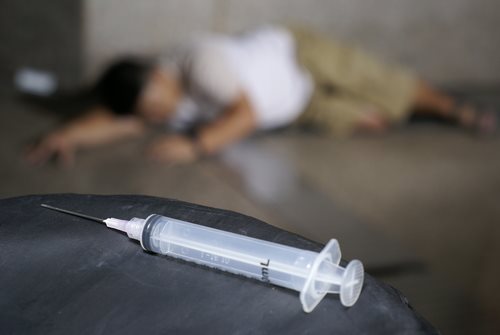
The Dangers of Prescription Drug Abuse
Due to the fact that prescription drugs are manufactured in order to specifically target certain areas of both the physical body and the neurological system, which includes both the human brain, as well as the central nervous system, the intended usage of these types of drugs serve to result in the remedy or adjustment of physiological maladies; individuals undertaking Prescription Drug Abuse may experience a variety of effects rendered through the ingestion of psychotropic drugs.
Due to the fact that Prescription Drug Abusers were not the intended recipients of these drugs, Prescription Drug Abuse has resulted in a wide range of damage, harm, injury, and even death; amongst the most common drugs used in conjunction to Prescription Drug Abuse are the following:
Prescription Drug Abuse undertaken through the misuse of painkillers, such as Vicodin and Oxycontin
Prescription Drug Abuse undertaken through the misuse of stimulants, such as Adderall and Ritalin
Prescription Drug Abuse undertaken through the misuse of sedatives, such as Xanax and Klonopin
Preventing Prescription Drug Abuse
The analysis of drug abuse statistics furnished by government reports illustrate that Prescription Drug Abuse is a growing epidemic within the United States of America, but also the proliferation of the illegal trade, sale, and purchase of prescription drugs enables potential circumstances within which Prescription Drug Abuse may directly result. The following resources are encouraged for exploration:
The Drug Enforcement Agency (DEA) is a Federal Department under the jurisdiction of the United States Government responsible for the enforcement, investigation, legal oversight, case study, and apprehension of any or all individuals and entities suspected of undertaking activity pertaining to illegal drugs and Prescription Drugs:
Drug Enforcement Administration
Office of Diversion Control
8701 Morrissette Drive
Springfield, Virginia
22152
(202) 307-1000
The National Institute on Drug Abuse (NIDA) is a Federal Agency mandated by the Federal Government of the United States responsible for the administration, oversight, analysis, and disbursement of essential findings on drug addiction, drug abuse facts, and both illegal and prescription drug abuse statistics in order to raise the collective awareness of the general citizenry of the United States of America:
National Institute on Drug Abuse and National Institutes of Health
6001 Executive Boulevard - Room 5213
Bethesda, Maryland
20892
(301) 443-1124