Read This For A List of Illegal Drugs
📅 2026 Update: Changes in Drug Laws and Marijuana Policy
Since the original article was published, significant changes have occurred in U.S. drug laws, particularly regarding marijuana. These updates reflect a growing shift in how marijuana is viewed legally and socially. The earlier article continues further down this page, providing foundational knowledge on illegal drugs.
🌿 Recent Marijuana Legislation
On July 16, 2026, the Cannabis Administration and Opportunity Act (CAOA) was reintroduced in the U.S. Senate. This act aims to federally decriminalize marijuana by removing it from the Controlled Substances Act (CSA).
If passed, this could reshape marijuana laws nationwide.
📅 Rescheduling of Marijuana Products
On April 23, 2026, the Department of Justice (DOJ) and the Drug Enforcement Administration (DEA) issued an order to reschedule FDA-approved marijuana products and state-regulated medical marijuana products to Schedule III of the CSA. This change recognizes their medical use and acknowledges their lower potential for abuse.
🏥 Overdose Prevention Initiatives
In recent years, several states have opened overdose prevention centers. Rhode Island opened its first authorized center in December 2024, and Vermont began a pilot program in June 2024. These centers aim to reduce overdose deaths by providing safe spaces for drug use with medical support available.
📊 Public Support for Marijuana Legalization
Public opinion regarding marijuana has evolved. A 2025 poll found that 68% of Americans support legalizing marijuana. This reflects a growing acceptance of marijuana use for both medical and recreational purposes across the country.
📌 Key Points to Remember
- CAOA aims to federally decriminalize marijuana.
- Marijuana products rescheduled to Schedule III under the CSA.
- Overdose prevention centers are opening in various states.
- 68% of Americans support marijuana legalization.
- Changes in laws reflect evolving public attitudes toward marijuana use.
💡 Tips for Navigating Drug Laws
Review the specifics of your situation with an attorney. Understanding the law can help clarify your options and responsibilities.
📜 Know Your State Laws
Each state has different laws regarding marijuana use. Familiarize yourself with local regulations to ensure compliance and avoid penalties.
🏥 Utilize Overdose Prevention Centers
If you or someone you know is struggling with substance use, seek help at an overdose prevention center. These facilities offer support and resources in a safe environment.
📅 Stay Informed on Legal Changes
Changes in drug laws can happen quickly. Keep up-to-date with news about marijuana legislation to understand its impact on your rights and responsibilities.
📊 Engage in Public Commentary
Participating in public comment periods can influence drug policy. Many organizations, like the Drug Policy Alliance, analyze public feedback on marijuana legislation.
🗣️ Advocate for Reform
Consider advocating for drug law reform in your community. Groups like the Marijuana Justice Coalition push for changes that promote justice and reduce criminalization.
🏆 Free Options Ranked by User Reviews (2026)
No national paid service in this area met the review threshold. Instead, here are free government and nonprofit resources available to assist you.
🥇 1. Drug Policy Alliance
The Drug Policy Alliance focuses on drug policy reform in the U.S. They provide resources and reports to educate the public on safe drug use and advocate for changes in legislation. Their reports on marijuana policy include recommendations for public health and safety.
🥈 2. Partnership to End Addiction
This organization offers resources aimed at preventing youth substance use. They focus on educational materials and research-based regulatory provisions to protect young people in the context of state marijuana legalization.
🥉 3. Overdose Prevention Centers
States like Rhode Island and Vermont have established overdose prevention centers. These facilities provide safe environments for drug use and access to medical support, helping to reduce overdose deaths in the community.
4️⃣ Local Health Departments
Many local health departments offer information and resources related to drug use and addiction treatment. They can connect individuals with local services and support programs.
5️⃣ Community Support Groups
Community organizations often host support groups for individuals and families affected by drug use. These groups provide a network of support and resources for those seeking help.
🔎 What to Check Before Paying for Help
- 🏢 Verify the credentials of any organization you consider.
- 🗣️ Read user reviews and testimonials for feedback.
- 📄 Confirm that they offer free consultations or services.
- 🔍 Look for transparency in their fees and services.
- 📞 Check if they provide ongoing support and follow-up.
❓ Frequently Asked Questions
❓ What is the current status of marijuana legalization in the U.S.?
Marijuana is legal in 40 states for medical use and 24 states for recreational use as of January 2026. Ongoing legislative efforts aim to further change its status.
🏛️ How does the recent rescheduling affect marijuana businesses?
Rescheduling marijuana to Schedule III allows state-licensed medical marijuana businesses to receive tax relief. This change impacts financial burdens previously faced under the 280E tax penalty.
📅 Are there any new overdose prevention centers in 2026?
Yes, Rhode Island and Vermont have opened overdose prevention centers. These centers provide safe environments for drug use and access to medical support to prevent overdoses.
📊 What is the public opinion on marijuana legalization?
Public support for marijuana legalization is high, with 68% of Americans favoring its legalization. This reflects a significant shift in attitudes toward marijuana over recent years.
🏥 What resources are available for addiction treatment?
Various nonprofit organizations and local health departments offer resources for addiction treatment. These can include support groups, educational materials, and connections to treatment facilities.
📰 What recent reports impact marijuana policy?
The Drug Policy Alliance and the Partnership to End Addiction released reports addressing marijuana legalization and youth protection. These documents provide recommendations for lawmakers and the public.
⚖️ Recent Cases Related to Drug Laws
Recent court rulings highlight the evolving landscape of drug laws and marijuana policy in the U.S. These cases may influence future regulations and enforcement practices.
- Georgia Court Dismisses Appeal of Drug Trafficking ConvictionCourt of Appeals of Georgia · August 13, 2026
- Kansas Court Upholds Conviction in Fentanyl Death CaseCourt of Appeals of Kansas · August 14, 2026
- Kansas Court Affirms Conviction in Fentanyl Overdose CaseCourt of Appeals of Kansas · August 14, 2026
- Ohio Court affirms drug conviction, remands for sentencing fixOhio Court of Appeals · August 10, 2026
Browse more recent rulings in the news section more rulings on the news page.
End of October 2026 Update
What are Illegal Drugs?
Illegal drugs are substances, which an individual, by law, is not allowed to possess, use or distribute. The penalties attached to such use as associated with illegal drugs are dependent on the type of drug, the location in which the individual was arrested or detained, the quantity of the drug and the presence of prior arrests for a similar offense. Illegal drugs are often addictive and deadly in nature; illegal drugs are often damaging to an individual’s mental state and physical healthy.
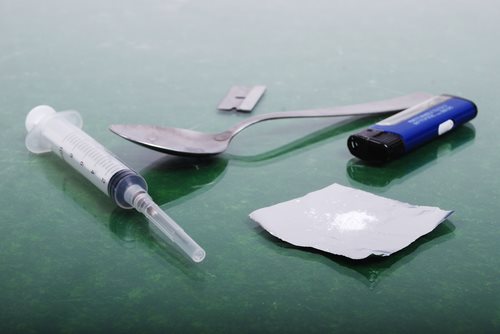
The classification of which drugs are considered legal or illegal will vary from country to country. Furthermore, the punishments tied-into possession, use and the intent to distribute such drugs will also vary based on location. For instance, being found with a certain illegal drug may be legal (subject to fine) in one location, but it may carry grave felonious charges in another.
Legal Drugs versus Illegal Drugs:
Legal drugs are drugs that an individual is allowed to have. This classification of course depends on the jurisdiction in which the individual is located in. If an individual purchases legal or over the counter drugs, they will not be punished by a governing body or law enforcement agency. Additionally, an illegal drug can carry legal use, typically for a medicinal application. Heroin or Morphine for example, is an effective painkiller, but in a generic setting, these drugs are deemed illegal and highly dangerous.
By contrast, illegal drugs are drugs that a person is not allowed to possess, use or distribute. If an individual is caught with illegal drugs they will be punished according to the applicable drug laws of the respective location. In some instances the individual in possession will be fined, but for more serious illegal drugs, the individual will have to go to court for a pending jail sentence.
List of Illegal Drugs:
Ecstasy: Also referred to as MDMA, Ecstasy is a partial derivative of amphetamine and possesses effects similar to other drugs within the classification. Users of Ecstasy will feel a heightened sense of euphoria and an increased feeling of emotion, as well as sensitivity.
Cocaine: When in powder form, cocaine is snorted or ingested by the user. Cocaine is a stimulant that leaves the user feeling more alert, talkative, strong and confident. Cocaine is extremely addictive and is a popular street drug. In a crystallized form, Cocaine is referred to as Crack; when solidified, the Cocaine is smoked by the user. Highs from crack are typically very short and powerful in nature. Crack cocaine is cheaper than the powderized form and highly addictive.
Hallucinogens: Also referred to as psychedelic drugs, hallucinogens create a range of perceptual distortion and various psychological symptoms. When a user is under the influence of these drugs, mushrooms, LSD or peyote for example, the individual will observe vibrant colors, transforming shapes and enhanced visions.
Amphetamines: Amphetamines and methamphetamines are stimulants commonly abused by young people at parties or raves. These types of illegal drugs enhance the user’s energy levels, allowing the individual to stay up all night. Aside from recreational use, these forms of stimulants can be used to medicate individuals stricken with attention-deficit disorder.
Rohypnol: This type of illegal drug is a tranquilizer similar to Valium or painkillers but approximately 10 times more potent. This classification of drugs is extremely addictive; Rohypnol is commonly abused either for it’s intoxicating, sedative or numbing characteristics.
Steroids: These types of drugs are used as supplements to increase performance in athletics.
Heroin: This type of opiate is extremely addictive, relatively cheap and popular in urban environments. Heroin is fast acting and poses a number of deadly health risks. Because street heroine may contain a number of impurities, the drug can obstruct blood vessels that are crucial for the brain, liver, lungs and kidneys. Heroin may be taken via a pill form or injected straight into the veins.
PCP: A synthetic drug, that comes in a white powder. PCP is easily dissolved in water or alcohol and is typically ingested via pill form. Users of PCP will experience severe distortions and heightened senses as well as vibrant illusions or images.
Marijuana: This popular drug comes from the leaves of the cannabis plant. Marijuana is smoked through a variety of instruments, such as a pipe, joint or bong. The typical effects of marijuana leave the user feeling relaxed and talkative. These effects typically plateau for roughly 90 minutes then taper off.