Depo-Provera
📅 2026 Update: Changes in Telehealth and Substance Use Treatment
Since the original article was published, there have been several important updates regarding telehealth and substance use treatment in the U.S. These changes may impact how medications like Depo-Provera are managed and prescribed. The earlier article continues further down the page for more details.
📞 Telemedicine Flexibilities Extended
The U.S. Department of Health and Human Services (HHS) and the Drug Enforcement Administration (DEA) have extended telemedicine flexibilities for prescribing controlled substances through December 31, 2026. This means that DEA-registered practitioners can prescribe Schedule II-V medications via telehealth without needing an in-person visit first.
💊 Permanent Buprenorphine Telehealth Rule
A significant change occurred on January 17, 2025, when the DEA and HHS made permanent the telemedicine rules for prescribing buprenorphine. This medication is crucial for treating opioid use disorder and can now be prescribed through telehealth, ensuring better access to care.
⚖️ Mental Health Parity Strengthened
On September 9, 2024, final rules were released to enhance the Mental Health Parity and Addiction Equity Act (MHPAEA). These rules, which took effect on November 22, 2024, ensure equal treatment between mental health benefits and medical benefits. This change is vital for those seeking help for substance use disorders.
⏳ Processing and Eligibility Updates
Patients seeking telehealth prescriptions for controlled substances must have a video consultation with a DEA-registered practitioner. Eligibility depends on the practitioner's assessment and the patient's medical history. Processing times for these consultations can vary, with some platforms offering same-day appointments.
📌 Key Points Summary
- 🏥 Telemedicine flexibilities for controlled substances extended until December 31, 2026.
- 💊 Permanent rules for buprenorphine prescribing via telehealth established.
- ⚖️ Mental health and substance use benefits now have stronger parity.
- 📅 Telehealth prescriptions require video consultation for eligibility.
- ⏳ Processing times vary by telehealth provider.
💡 Tips for Using Telehealth for Prescription Medications
Reviewing your specific situation with an attorney is important to understand your options fully.
🏥 Understanding Telehealth Regulations
Familiarize yourself with the current telehealth regulations regarding controlled substances. The DEA allows prescriptions for these medications via telehealth through December 31, 2026, which may simplify access to necessary treatments.
💬 Consult a DEA-Registered Practitioner
To get prescriptions for controlled substances through telehealth, schedule a video consultation with a DEA-registered practitioner. They will evaluate your medical history and determine if prescribing a controlled substance is appropriate.
💵 Check Costs Beforehand
Costs for telehealth consultations can vary widely. Some providers may charge per consultation, while others might have subscription models. It's best to inquire about pricing before your appointment to avoid surprises.
🧠 Know Your Rights Under MHPAEA
The strengthened MHPAEA rules mean you have the right to equal benefits for mental health and substance use disorders compared to medical benefits. This can help you navigate insurance coverage for addiction treatment services.
🕒 Plan for Processing Times
Be aware that processing times for telehealth prescriptions can vary. Some platforms may offer same-day consultations, while others might take longer. Planning ahead can help ensure you get your medications on time.
🏆 Telehealth Services Ranked by User Reviews (2026)
This section highlights telehealth services relevant to prescription medications and mental health support, particularly in the context of controlled substances. The order follows Trustpilot ratings as of October 2026, understanding that scores can change. Star ratings reflect user experiences, and services with lower ratings may indicate customer dissatisfaction.
🥇 1. Talkiatry
Talkiatry has a Trustpilot score of 2.4. It is known for providing online psychiatry services and medication management, focusing on flexible scheduling. However, customers highlight limited insurance coverage and variable clinician quality as drawbacks.
🥈 2. Direct Meds
Direct Meds holds a Trustpilot score of 4.6. This service is recognized for being a GLP-1 telehealth provider, specializing in compounded medications like semaglutide and tirzepatide. Some users note limited insurance acceptance and potential medication side effects, which may be a concern for patients.
🥉 3. Hims & Hers Health
Hims & Hers Health has a Trustpilot score of 3.0. It is known for offering various online healthcare services, including prescription medications. However, some users report customer service issues and concerns about product effectiveness.
4️⃣ LifeStance Health
LifeStance Health has a Trustpilot score of 4.0. It provides mental health services, including therapy and psychiatry, with telehealth options. Reviewers mention inconsistent service quality and appointment availability as potential issues.
🆓 Free Government and Nonprofit Help
The U.S. Department of Labor offers resources regarding the Mental Health Parity and Addiction Equity Act (MHPAEA). Additionally, the Substance Abuse and Mental Health Services Administration (SAMHSA) provides a national helpline for those seeking information and treatment referrals for mental health and substance use disorders.
🔎 Factors to Compare When Choosing Telehealth Services
- 📊 Trustpilot scores and review counts can indicate user satisfaction.
- 💬 Range of services offered, particularly for mental health and addiction treatment.
- 💲 Insurance acceptance and pricing structures.
- 🕒 Processing times for telehealth appointments and prescriptions.
❓ Frequently Asked Questions
🤔 What are controlled substances?
Controlled substances are drugs that are regulated by the DEA due to their potential for abuse and dependency. These include medications classified as Schedule I-V, with varying levels of restrictions.
💬 How does telehealth work for prescribing controlled substances?
Telehealth for controlled substances requires a video consultation with a DEA-registered practitioner. They assess the patient's medical history and current health before prescribing any medication.
🏥 Can I access buprenorphine treatment via telehealth?
Yes, patients can access buprenorphine treatment through telehealth. This service is supported by recent regulations that allow practitioners to prescribe buprenorphine remotely.
📅 What are the eligibility requirements for telehealth prescriptions?
To be eligible for telehealth prescriptions, patients must undergo a video consultation with a registered practitioner who can evaluate their medical history and condition.
📈 What changes have been made to mental health coverage?
Final rules effective November 22, 2024, under the MHPAEA strengthened parity between mental health and substance use disorder benefits and other medical benefits. These changes ensure fair access to care.
🔍 How can I find more information about substance use treatment?
The Substance Abuse and Mental Health Services Administration (SAMHSA) offers a national helpline for information and treatment referrals. Their resources can guide individuals seeking help.
⚖️ Recent Court Cases Related to Drug Regulations
Recent court rulings impact how controlled substances, including prescription drugs, are regulated in the U.S. These cases may affect access and treatment options for patients.
- Ohio Court affirms ruling in State v. Cottrell drug caseOhio Court of Appeals · September 1, 2026
- Ohio Court upholds guilty plea in drug possession caseOhio Court of Appeals · August 26, 2026
- Ohio Court affirms drug sentence for Dustin WilliamsOhio Court of Appeals · September 4, 2026
- Ohio Court of Appeals upholds drug trafficking sentenceOhio Court of Appeals · September 4, 2026
You can explore more rulings on the news page for recent developments in drug regulations and related legal matters.
End of October 2026 Update
What is Depo-Provera?
Depo-Provera is the brand name of depot medroxyprogesterone acetate which is a drug that prevents pregnancy. It is manufactured and distributed by the Pfizer Corporation. It is administered via an injection and protects against pregnancy for three months. It is highly successful at preventing pregnancy and requires less drug interaction than once-daily birth control pills. For this reason, Depo-Provera’s status a as long acting reversible contraceptive is highly desirable for many that cannot maintain a contraceptive regimen such as with birth control pills.
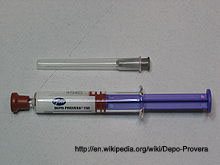
Where can I get a Depo-Provera shot?
Most medical providers and some organizations such as Planned Parenthood have the shots available. It is the responsibility of the patients to regularly schedule the shots and to be aware of the potential risks of using the shot. In addition to the benefits, there are side effects that may prohibit some women from taking this shot.
How does Depo-Provera work?
The Depo-Provera shot works by releasing the hormone progestin into the body which works on the ovaries to prevent them from releasing egg and increasing vaginal mucous to inhibit pregnancy. This is effective for 99 out of 100 women that receive the shot. There are some side effects including irregular menstrual periods, depression, dizziness and acne and most importantly, loss of bone density.
What is the controversy around the use of the Depo-Provera shot?
As Depo-Provera has been found to decrease bone-density women with a history of or risk factors for osteoporosis should not receive this shot as it will exacerbate this condition. All women will need calcium and vitamin D while on this shot. Still, others have made the claim that the bone density loss that accompanies the shot is not articulated properly to women that receive the shot and that the bone density loss is irreversible.
What should I do if I have experienced bone density loss?
Bone density loss can lead to a number of injuries and an increase of potential injuries. If you feel that you were not provided adequate notice of the dangerous of bone loss, you may be able to hold the provider or manufacturing company liable for damages. As in all liability cases, the victim must prove that that injury or harm was on cause on the part of the provider and that the provider was aware of the potential harm but chose not to inform the plaintiff about the danger. Especially in cases with bone loss, the harm is potentially irreversible and imperils their ability to have children or live a healthy life.
Speak with an attorney if you feel you have not been adequately warned or you feel your medical provider is liable for failing to inform you of the potential risks of using this medication.