An Inside Look at Prescription Drugs
📅 2026 Update: Changes in Prescription Drug Policies
Since the original article was written, there have been important updates regarding prescription drugs in the U.S. These changes impact regulations, addiction treatment, and related public health policies. The earlier article continues further down this page.
🌟 New FDA Regulations
The U.S. Food and Drug Administration (FDA) continues to update its guidelines for prescription drugs. These changes aim to improve the safety and effectiveness of medications.
Keeping up with these updates is crucial for understanding how drugs are regulated.
- 📋 Safety updates are regularly issued to inform healthcare providers and patients about any new findings related to drug use.
- 📆 The FDA also works to speed up the approval process for new medications, which can help get effective treatments to patients faster.
🏥 Addiction Treatment Resources
The National Institute on Drug Abuse (NIDA) and the Substance Abuse and Mental Health Services Administration (SAMHSA) have expanded their resources for addiction treatment. This is especially relevant as addiction rates rise.
- 💬 NIDA provides valuable insights into the effects of drugs and offers guidance on treatment options.
- 🆘 SAMHSA focuses on mental health and addiction services, offering support for individuals seeking help.
📊 Health Data from CDC
The Centers for Disease Control and Prevention (CDC) provides critical data on drug-related health issues. Their research helps shape public health policies.
- 🔍 The CDC tracks trends in prescription drug use and abuse, which aids in identifying at-risk populations.
- 📈 This data supports community health initiatives aimed at reducing drug-related harm.
🔗 NIH Research Updates
The National Institutes of Health (NIH) continues to research the effects of prescription drugs. Their findings contribute to a better understanding of how these medications work.
- 📚 NIH studies offer new insights into the long-term effects of drug use, which can inform treatment strategies.
- 🔬 Ongoing research also helps identify potential side effects of newer drugs.
📌 Key Takeaways
- 🌐 The FDA updates regulations regularly for better drug safety.
- 🏥 NIDA and SAMHSA enhance addiction treatment resources.
- 📊 The CDC provides important data on drug use trends.
- 🔬 NIH continues research on the effects of prescription drugs.
💡 Tips for Understanding Prescription Drugs
Review the details of your own situation with your attorney.
📝 Understand Prescription Drug Labels
Always read the labels of prescription drugs carefully. They contain vital information about proper usage and potential side effects.
📞 Contact Health Professionals
If you have questions about your prescription, reach out to your healthcare provider. They can help clarify any concerns and provide guidance.
🏥 Explore Treatment Options
If struggling with addiction, consider exploring treatment options available through SAMHSA or local health services. Early intervention can lead to better outcomes.
📚 Stay Informed on Drug Regulations
Keep track of updates from the FDA regarding prescription drugs. Understanding these changes can help inform your healthcare choices.
🚨 Report Any Unusual Symptoms
If you experience unexpected symptoms after taking a prescription drug, report them to your healthcare provider immediately. This can help ensure your safety and well-being.
🧾 Keep a Medication Journal
Maintaining a journal of your medications can help you track their effects. This can be useful for both you and your healthcare provider during check-ups.
🏆 Free Options Ranked by User Reviews (2026)
No national paid service in this area met the review threshold for user satisfaction, so this section lists free government and nonprofit resources.
🥇 1. U.S. Food and Drug Administration (FDA)
The FDA provides comprehensive information on prescription drugs, including safety updates and approval processes. This resource is essential for patients and healthcare providers alike.
- It offers guidance on drug use, potential side effects, and recalls.
- Users can access the latest news and research related to drug safety.
🥈 2. National Institute on Drug Abuse (NIDA)
NIDA focuses on understanding drug abuse and addiction. It offers resources for individuals and families affected by addiction.
- The organization provides educational materials on the effects of various drugs.
- NIDA also shares information about treatment options and ongoing research in the field.
🥉 3. Centers for Disease Control and Prevention (CDC)
The CDC tracks and reports on health issues related to drug use. Their data informs public health policies and initiatives.
- This resource offers insights into prescription drug trends and related health statistics.
- Users can find information on preventing drug misuse and promoting safe practices.
4️⃣ Substance Abuse and Mental Health Services Administration (SAMHSA)
SAMHSA provides a wealth of resources for those seeking help for addiction. Their services include treatment referrals and crisis support.
- The organization helps connect individuals to local treatment programs and support groups.
- SAMHSA also offers educational resources to raise awareness about addiction and recovery.
5️⃣ National Institutes of Health (NIH)
NIH conducts research on various health topics, including prescription drugs. Their findings help improve drug safety and effectiveness.
- Users can access research papers and studies related to drug use and its effects.
- NIH resources are beneficial for those looking to understand the science behind medications.
🔎 What to Check Before Paying for Help
- 💰 Ensure the service is affordable and transparent about costs.
- 📜 Verify credentials and qualifications of those providing assistance.
- 🌍 Look for reviews and feedback from other users.
- 🏢 Confirm the service is recognized by relevant health authorities.
❓ Frequently Asked Questions
🤔 What are the most common prescription drugs?
Common prescription drugs include antibiotics, pain relievers, and antidepressants. They play important roles in treating various health conditions.
📈 How can I stay updated on prescription drug changes?
You can check the FDA, CDC, and other relevant agencies for the latest information on prescription drugs. They regularly publish updates and alerts.
🏥 Where can I find addiction treatment resources?
Resources for addiction treatment can be found through SAMHSA and NIDA. Both organizations offer information on treatment options and local services.
⚠️ What should I do if I miss a dose of my medication?
If you miss a dose, follow the instructions on the medication label. Contact your healthcare provider if you are unsure about what to do.
🗣️ How can I talk to my doctor about my medication?
Prepare a list of your concerns and questions before your appointment. This will help you communicate effectively with your healthcare provider.
📝 What is the role of the NIH in drug research?
The NIH conducts research on health topics, including the effects of prescription drugs. Their findings inform public health policies and practices.
⚖️ Recent Court Cases on Prescription Drugs
Recent court rulings have addressed issues related to prescription drugs and their regulation. These cases explore the legal responsibilities of manufacturers and healthcare providers.
- Eighth Circuit upholds conviction of Saul Pineda in drug caseCourt of Appeals for the Eighth Circuit · June 30, 2026
- Texas Court affirms ruling in drug possession caseTexas Court of Appeals, 11th District (Eastland) · July 30, 2026
- Court affirms sentence for methamphetamine conspiracyCourt of Appeals for the Seventh Circuit · June 29, 2026
- Eighth Circuit upholds ruling in drug trafficking caseCourt of Appeals for the Eighth Circuit · July 13, 2026
You can browse more rulings on the news page for additional information on recent court decisions.
End of October 2026 Update
What are Prescription Drugs?
Prescription Drugs are substances or items whose use, possession, or purchase undertaken in a legal fashion is permissible with regard to applicable jurisdictional statutory legislature; in order for Prescription Drugs to be considered as such, the individual in possession of the Prescription Drugs in question will be required to obtain the expressed permission granted from the Federal Government of the United States and the prescription of the Prescription Drugs in question from a certified medical practitioner.
Controlled Substances
The usage, possession, or purchase of Prescription Drugs considered being controlled substances undertaken without either of the requirements listed above typically result in a variety of criminal charges equivalent to criminal charges associated with illegal drugs:
Prescription Drugs classified as Illegal Drugs
In contrast to the usage and possession of controlled substances, whose legality is contingent upon authorized permission granted by regulatory institutions and professionals, Prescription Drugs classified as illegal are uniformly prohibited. Drugs are defined as prescription drugs are typically classified as such due to the fact that they have been manufactured in order to specifically target certain areas of both the physical body or the neurological system - comprised of the human brain and central nervous system, in order to remedy or adjust physiological predicaments.
The Medical Marijuana Debate
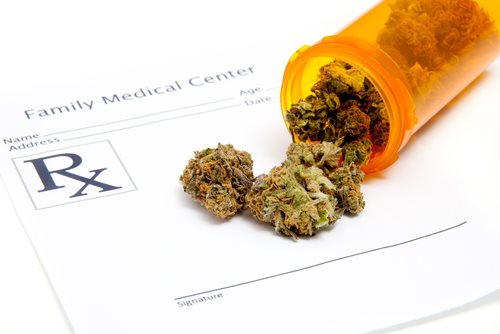
Medical Marijuana – whose legal usage and prescription – allows for its classification as a prescription drug is the form of the Cannabis plant that has been deemed as valuable and effective in the treatment of a number of medical – and health – maladies, including certain types of cancer and glaucoma.
Medical Marijuana can be prescribed to specific patients residing in specific locations upon being granted expressed permission from an approved and accredited health professional; however, any activity that takes place involving Medical Marijuana existing outside of its intended usage is a punishable offense.
Criminal Charges Associated with Prescription Drugs
Amongst the multitude of classifications inherent to the drug industry within modernity – ranging in legality, accessibility, and punitive recourse concerning the possession of Prescription Drugs, the following criminal charges may be applicable to individuals undertaking the use of Prescription Drugs:
The Illegal Possession and Sale of Prescription Drugs
A charge furnishing details expressing the illegal possession of Prescription Drugs may be defined as the unlawful, illicit, and prohibited ownership of Prescription Drugs; however, the nature within which the individual suspect in question gained access to the Prescription Drugs may also be associated with the investigation.
Akin the legality surrounding prescription drugs, the authorized possession and disbursement of these drugs is not inherently a crime; however, the illicit sale, exchange, or possession of prescription drugs will typically mirror the criminal charges associated with illegal drugs not considered to be controlled substances.
Reporting Illegal Activity Involving Prescription Drugs
In the event that you have been made aware of the illegal usage, sale, cultivation, or possession of Prescription Drugs, you are encouraged to come forward and report these offenses to local law enforcement agencies stationed within your respective residence. Please contact the Drug Enforcement Agency (DEA) their telephone number (202) 307-1000 or your local ‘Crime-Stoppers’ organization if you have any information.