Marijuana Laws
📅 2026 Update: Changes in Marijuana Laws
Since the original article was written, there have been significant changes in marijuana laws across the United States. Federal efforts to legalize marijuana continue, but state-level changes have seen more progress. The earlier article provides a detailed overview of marijuana laws, which continues further down the page.
🌿 Federal Legalization Efforts
In 2024, the U.S. House of Representatives passed the Marijuana Opportunity Reinvestment and Expungement (MORE) Act. This bill aimed to decriminalize marijuana at the federal level.
However, it did not pass the Senate, leaving federal legalization still pending.
🗽 State-Level Legalizations
As of October 2026, 23 states and the District of Columbia have legalized recreational marijuana use. New York and New Jersey were the latest states to implement legalization in 2024. This trend reflects growing acceptance of marijuana across the country.
💊 Medical Marijuana Expansion
Between 2024 and 2026, 10 more states legalized medical marijuana. This brings the total to 38 states with medical marijuana programs. These programs help patients access marijuana for various medical conditions.
💰 Current Costs and Fees
In California, the application fee for a medical marijuana card is $100, with a renewal fee of $50. Colorado has also imposed a 15% excise tax and a 15% sales tax on recreational marijuana purchases. These costs can vary by state and can affect how patients and consumers budget for marijuana.
📌 Key Points to Remember
- 🌱 Federal legalization remains pending despite the MORE Act.
- 🗺️ 23 states and D.C. have legalized recreational marijuana.
- 💊 38 states now have medical marijuana programs.
- 💵 California has specific fees for medical marijuana cards.
- 🏷️ Colorado has a 15% tax on recreational marijuana.
💡 Tips for Navigating Marijuana Laws
Review your situation with an attorney to understand how these laws apply to you.
🌟 Know Your State's Laws
Each state has different laws regarding marijuana use. Research your state’s regulations to ensure you are compliant. Knowing the rules can help avoid legal issues.
📄 Understand Medical Marijuana Requirements
If you are considering medical marijuana, learn about the eligibility criteria in your state. Some states require a recommendation from a certified physician for a medical marijuana card.
🏴☠️ Be Aware of Purchase Age Limits
Most states set a minimum age for purchasing recreational marijuana. In states like Nevada, individuals must be at least 21 years old. Always check age requirements before attempting to buy.
⏳ Be Mindful of Processing Times
When applying for a medical marijuana card, processing times can vary. For example, in New York, it takes around 7 to 10 business days to receive your card. Plan accordingly to avoid delays.
📅 Keep Track of Tax Deadlines
If you are involved in a marijuana business, be aware of tax filing deadlines. In Washington State, recreational marijuana businesses must file taxes by the 20th of each month. Meeting deadlines is essential for compliance.
🏆 Marijuana Services Ranked by User Reviews (2026)
This section focuses on services related to marijuana laws and regulations. These services can assist with legal issues, compliance, and understanding marijuana laws. The ratings listed are based on Trustpilot data checked in October 2026.
Ratings can change over time, and higher scores may reflect more satisfied customers, but remember that unhappy customers often leave more reviews.
🥇 1. Dialectica
Dialectica has been rated 4.5 on Trustpilot. It is known for providing professional services related to various legal and business needs. However, some reviews are in Dutch, which may affect the overall understanding for English speakers.
🥈 2. Taylor Rose
Taylor Rose holds a 4.5 rating on Trustpilot. This service specializes in legal services within the UK, which may include marijuana-related legal matters. Like Dialectica, some reviews are in Dutch, indicating a diverse client base.
🥉 3. Lexidy Law Boutique
Lexidy Law Boutique has a Trustpilot score of 4.5. It offers legal services in several European countries including Spain, Portugal, and Italy. The reviews are also mixed, with some being in Dutch, showing a broad international reach.
🆓 Free Legal Assistance
The National Organization for the Reform of Marijuana Laws (NORML) provides free resources and guidance on medical marijuana laws and patient rights. Additionally, the American Civil Liberties Union (ACLU) offers free legal assistance to those seeking to expunge or seal marijuana-related convictions.
🔎 What to Compare When Choosing Services
- 📊 Customer reviews and ratings
- 🌍 Geographic availability of services
- 📝 Specific areas of legal expertise
- 💬 Language support for non-English speakers
- 💡 Free resources and assistance options
❓ Frequently Asked Questions
❓ What is the current status of federal marijuana legalization?
As of October 2026, federal legalization is still pending. The MORE Act was passed by the House but did not advance in the Senate.
📅 How many states have legalized recreational marijuana?
Recreational marijuana is legal in 23 states and the District of Columbia as of October 2026.
💊 What are the eligibility requirements for medical marijuana?
Eligibility varies by state but often requires a qualifying medical condition and a recommendation from a certified physician.
🕒 How long does it take to get a medical marijuana card?
Processing times differ by state. For example, in New York, it typically takes about 7 to 10 business days.
📈 What taxes apply to recreational marijuana purchases?
In Colorado, there is a 15% excise tax and a 15% sales tax on recreational marijuana purchases.
📜 Where can I find help with marijuana-related legal issues?
The ACLU and NORML offer resources and legal assistance for individuals dealing with marijuana-related legal matters.
⚖️ Recent Court Cases Related to Marijuana Laws
Several recent court rulings have influenced marijuana laws in various states. These rulings relate to issues such as legalization, medical use, and the rights of patients.
- Court denies new trial for Derrick Martin in drug caseDistrict Court, District of Columbia · July 21, 2026
- Court grants pretrial release for Tong Li in drug caseDistrict Court, District of Columbia · July 31, 2026
- Court recommends sentence for defendant in drug caseDistrict Court, District of Columbia · September 17, 2026
- Puerto Rico court upholds evidence in drug case against PérezTribunal De Apelaciones De Puerto Rico/Court of Appeals of Puerto Rico · May 12, 2026
For more detailed information, feel free to browse more rulings on the news page.
End of October 2026 Update
Federal Government’s Laws Concerning Marijuana:
Marijuana laws are among the most confusing and diverse for controlled substances in the United States. Because cannabis is regarded as relatively innocuous—when compared to other illegal drugs, such as cocaine, heroin etc.—the laws surrounding possession, use and cultivation will vary from state to state. A number of states in the U.S. have decriminalized the substance; these states institute only fines for possession or use of marijuana. That being said, the marijuana laws—and their attached punishments—will vary in regards to stringency, based on the amount of cannabis in question and intent.
That being said, the federal government lists marijuana as a Schedule 1 drug. This broad classification is then interpreted for the state’s to elucidate the attached penalties and the coordinating amounts.
The United States government regulates illicit substances through the Controlled Substances Act of 1970—this legislation does not acknowledge the difference between medical and recreational use of cannabis. The laws expressed through this act are typically applied only against individuals who cultivate, possess or distribute large quantities of marijuana.
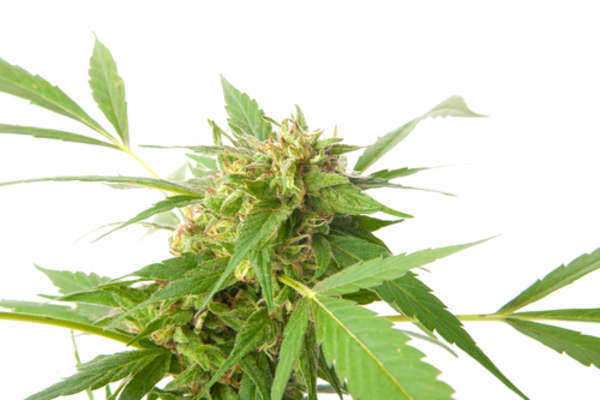
According to Federal law, marijuana is treated like every other illegal drug. The schedules or classifications offered by the Federal Government are organized based on the drug’s relative potential for abuse and medicinal benefit. Under the Controlled Substance Act, marijuana is defined as a Schedule I drug. This classification denotes that the government views marijuana as highly addictive and in possession of no medical value.
Federal marijuana laws are exceedingly serious; punishment for people found guilty of violating federal marijuana laws is frequently steep. There are two different forms of federal sentencing laws: mandatory sentencing laws and sentencing guidelines. The latter takes into account the amount of marijuana in question and prior convictions. Although not all marijuana convictions require jail time under these guidelines, all are eligible for imprisonment. The higher the amount the in question, the more severe the sentence will be. Low-level offenses typically yield probationary periods. Possession of over 1 kilogram of marijuana—with no prior convictions—will result in a prison sentence between six months to one year.
Marijuana Laws: Federal vs. State
Although the federal government claims that marijuana does not offer medical benefits, states are able to institute provisions to alter the federal sentencing guidelines attached to marijuana possession and use. A number of states (such as California and Colorado) also have instituted their own medical marijuana laws. These states recognize marijuana’s medicinal value and have either passed laws through their congress or adopted them based on initiative.
Under America’s federalist system of government, the states are entrusted to exercise a police power for the benefit of their particular residents. Due to this constitutional divide, states may elect to decriminalize conduct, such as marijuana possession or medical marijuana activity, which remains actively illegal under federal law. As a result of the state’s ability to tinker with federal marijuana laws, all local law enforcement agents are required to uphold state-specific marijuana laws. For example, under California’s medical marijuana laws, caregivers and patients are exempt from prosecution by the state, notwithstanding contrary federal law.