Why Recreational Drugs are No Fun
📅 2026 Update: Changes in Drug Laws and Substance Abuse Trends
Since the original article was published, there have been significant changes in drug laws and trends in substance use in the United States. These changes impact how controlled substances are managed and how addiction treatment is accessed. The following sections will highlight these updates, while the earlier article continues further down the page.
🌟 Drug Overdose Deaths Decline
In 2024, the U.S. saw a 26.2% decline in the age-adjusted drug overdose death rate. This rate dropped from 31.3 to 23.1 deaths per 100,000 people. This positive trend signals progress in addressing the drug crisis.
- 🔽 Decreased Rates: The total number of drug overdose deaths decreased to 79,384 in 2024.
- ⚖️ Legal Changes: Efforts to improve treatment access may have contributed to this decline.
💻 Telemedicine Flexibilities Extended
The U.S. Department of Health and Human Services and the Drug Enforcement Administration extended telemedicine flexibilities through December 31, 2026. This allows patients to obtain prescriptions for controlled medications without needing prior in-person visits.
- 📞 Increased Access: Telemedicine is especially beneficial for individuals in rural areas or with mobility issues.
- 💵 Consultation Costs: Fees for telemedicine consultations typically range from $50 to $200.
🌿 Federal Marijuana Rescheduling
In April 2026, the federal government reclassified state-licensed medical marijuana from Schedule I to Schedule III. This recognizes its medical use while keeping recreational use illegal.
- 🏥 Medical Use Acknowledged: This change acknowledges the therapeutic benefits of medical marijuana.
- 🚫 Recreational Status: Despite this update, recreational marijuana remains classified as illegal under federal law.
📈 Addiction Treatment Accessibility
With the extension of telemedicine, access to addiction treatment has improved. This is crucial for individuals seeking help for substance use disorders.
- 🏥 Cost of Treatment: Outpatient addiction treatment can range from $1,000 to $10,000 per month.
- 🚪 Immediate Enrollment: Enrollment in some inpatient programs can be immediate, improving chances for timely help.
📌 Key Points Summary
- 🔽 Drug overdose deaths fell by 26.2% from 2023 to 2024.
- 💻 Telemedicine flexibilities are extended until December 31, 2026.
- 🌿 Medical marijuana is now classified as Schedule III, but recreational use remains illegal.
- 🏥 Access to addiction treatment services has improved, especially through telemedicine.
- 💵 The costs of treatment vary widely, reflecting different service levels.
💡 Tips for Understanding Drug Laws and Treatment Options
Review the details of your situation with your attorney.
📜 Know Your Rights
Understanding your rights related to drug laws is essential. Stay informed about the specific laws in your state regarding controlled substances.
🏥 Explore Telemedicine Options
Telemedicine offers a convenient way to access prescriptions for controlled medications. Ensure you are in a state where the prescribing practitioner is licensed.
📈 Seek Help Early
If you or someone you know is struggling with substance use, early intervention can lead to better outcomes. Many addiction treatment programs have immediate enrollment options.
💸 Investigate Treatment Costs
Costs for addiction treatment can vary significantly. Research different programs to find one that fits your needs and budget.
📞 Utilize Free Resources
Take advantage of free resources available from government and nonprofit organizations. They can provide support and information on addiction treatment services.
🏆 Free Options Ranked by User Reviews (2026)
No national paid service in this area met the review threshold, so this section lists free government and nonprofit resources that can help.
🥇 1. Substance Abuse and Mental Health Services Administration (SAMHSA)
SAMHSA offers a national helpline at 1-800-662-HELP (4357). This service provides confidential information and treatment referrals for substance use disorders.
- 📞 Confidential Support: The helpline is available 24/7 to assist individuals and families.
- 🌐 Resource Connection: They connect users with local treatment options.
🥈 2. Local Health Departments
Many state and local health departments offer free or low-cost addiction treatment services. These services can vary by location.
- 🏥 Accessibility: Local health departments often cater to individuals in immediate need of assistance.
- 📊 Community Focus: They provide tailored services based on community needs.
🥉 3. National Alliance on Mental Illness (NAMI)
NAMI offers resources and support for individuals affected by substance use disorders. They focus on education, advocacy, and support.
- 📚 Educational Resources: NAMI provides information on mental health and substance use disorders.
- 🤝 Support Networks: They connect individuals with local support groups.
4️⃣ State-Funded Treatment Programs
Many states have programs that provide free or reduced-cost treatment for substance use disorders. Eligibility often depends on financial need.
- 📝 Application Process: Most programs require a comprehensive assessment to determine treatment needs.
- 💬 Community Support: These programs aim to support individuals within their communities.
🔎 What to Check Before Paying for Help
- ❓ Ensure the provider is licensed and accredited.
- 💵 Ask about all costs upfront to avoid surprises.
- 📋 Investigate the treatment methods used to ensure they are evidence-based.
- 🗣️ Read reviews from past patients to gauge quality.
- 🌐 Confirm if they offer aftercare or support services after treatment.
❓ Frequently Asked Questions
❓ What caused the decline in overdose deaths?
The decline in overdose deaths may be due to better access to treatment services and public health initiatives aimed at reducing substance use.
🌍 Are there differences in overdose rates by state?
Yes, overdose death rates vary significantly across states, highlighting the need for targeted interventions in high-risk areas.
📅 How has marijuana legislation changed recently?
In April 2026, medical marijuana was reclassified to Schedule III, acknowledging its medical benefits while keeping recreational use illegal federally.
💻 Can I get a prescription without an in-person visit?
Yes, telemedicine flexibilities allow for prescriptions to be issued without prior in-person visits, extending through December 31, 2026.
📞 What resources are available for addiction support?
Free resources include the SAMHSA helpline, local health departments, and nonprofit organizations like NAMI that provide support and information.
🚑 How can I access addiction treatment?
Individuals can access addiction treatment through telemedicine, local health departments, or national helplines. Many programs offer immediate enrollment.
⚖️ Recent Cases Related to Drug Laws
Recent court rulings have impacted drug laws and substance abuse treatment, reflecting ongoing changes in this area.
- Texas Court upholds 18-year sentence for drug possession caseTexas Court of Appeals, 6th District (Texarkana) · June 26, 2026
- Texas Court Abates Appeal in Controlled Substance CaseTexas Court of Appeals, 3rd District (Austin) · June 26, 2026
- Mississippi Supreme Court affirms drug possession convictionMississippi Supreme Court · July 23, 2026
- Texas Court affirms eight-year sentence for Gray's drug caseTexas Court of Appeals, 1st District (Houston) · June 16, 2026
Explore more recent rulings in the news section by browsing more rulings on the news page.
End of October 2026 Update
What are Recreational Drugs?
Drugs defined as Recreational Drugs are typically classified as such due to the fact that they have been manufactured in order to specifically target certain areas of both the physical body and the neurological system - comprised of the human brain and central nervous system, in order to produce an alteration or modification of the natural state of mind and body. Although the term ‘recreational’ is latent within the classification of ‘recreational drug’ use, both the physiological and legal repercussions resulting from illegal usage typically render the polar opposite of the fun expressed.
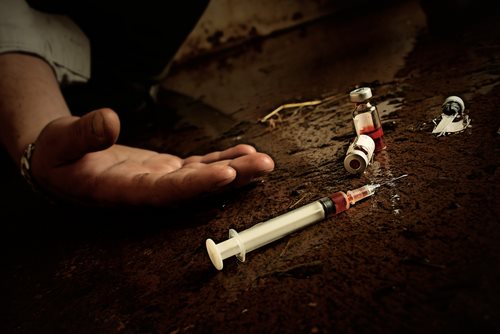
Types of Recreational Drugs
While some illegal and controlled substances are organic and natural in their purest state, other drugs – considered to be recreational drugs - are synthetic in nature and produced as a result of chemical processing and creation:
Recreational Drugs as Controlled Substances
A substance or item whose use, possession, or purchase undertaken in a legal fashion is permissible with regard to applicable jurisdictional statutory legislature; in order for Recreational Drugs to be considered as such, the individual in possession of the Recreational Drugs in question will be required to obtain the expressed permission granted from the Federal Government of the United States and the prescription of the Recreational Drugs in question from a certified medical practitioner:
Prescription medication, such as painkillers and toxic chemicals are typically ingested in order to maintain or experience the alteration of mind and body; however, the usage, possession, or purchase of Recreational Drugs considered being controlled substances undertaken without either of the requirements listed above typically result in a variety of criminal charges equivalent to criminal charges associated with illegal drugs
Marijuana is a naturally occurring, controlled-substance which is classified as a plant that sprouts from Marijuana seeds; individuals granted the expressed permission to grow Marijuana are required to be in both receipt of permission to do so mandated – and authorized by the jurisdictional government body in question; typically, Marijuana usage produces any nature of effects in the user, including lightheadedness, dizziness, confusion, paranoia, lethargy, increased hunger, and hallucination
Recreational Drugs as Illegal Drugs
In contrast to the usage and possession of controlled substances, whose legality is contingent upon authorized permission granted by regulatory institutions and professionals, Recreational Drugs classified as illegal are uniformly prohibited. The classification of these types of recreational drugs may include the wide range of illegal drugs in existence, including cocaine, heroine, and methamphetamine.
Reporting Illegal Activity Involving Recreational Drugs
In the event that you have been made aware of the illegal usage, sale, cultivation, or possession of Recreational Drugs, you are encouraged to come forward and report these offenses to local law enforcement agencies stationed within your respective residence.
Although the prospect of reporting such events may seem frightening and intimidating, a wide variety of law enforcement agencies offer the opportunity for individuals to submit anonymous tips and reports concerning illegal activity involving Recreational Drugs. Please contact the Drug Enforcement Agency (DEA) their telephone number (202) 307-1000 or your local ‘Crime-Stoppers’ organization if you have any information.