Heroin
📅 2026 Update: Changes in Heroin and Drug Policy
Since the original article on heroin was written, there have been significant changes in drug policy and treatment options in the United States. These changes reflect ongoing efforts to address addiction and improve public health. For more in-depth coverage, the earlier article continues further down the page.
📉 Drug Overdose Deaths Decline
In 2024, the U.S. saw a 26.2% decline in the age-adjusted drug overdose death rate. The rate fell from 31.3 to 23.1 deaths per 100,000 people. This is a hopeful sign in the fight against the opioid epidemic and other substance use issues.
- 🌟 Key Impact: This decline suggests that strategies to combat drug use may be having a positive effect.
📲 Telemedicine Flexibilities Extended
Telemedicine flexibilities for prescribing controlled medications have been extended through December 31, 2026. Patients can now receive prescriptions without prior in-person visits. This change improves access to necessary medications for individuals who may have mobility challenges or live in rural areas.
- 🏥 Benefits: Telemedicine makes it easier for patients to get treatment.
🌿 Federal Marijuana Rescheduling
In April 2026, the federal government reclassified state-licensed medical marijuana from Schedule I to Schedule III. This change acknowledges the medical use of marijuana but keeps it illegal for recreational use. It reflects a shift in how marijuana is viewed in the context of addiction and treatment.
- ⚖️ Perspective Change: This reclassification may influence how substance use disorders are treated in the future.
💰 Addiction Treatment Costs
Addiction treatment costs vary widely. Outpatient services average between $1,000 to $10,000 per month, while inpatient programs can range from $6,000 to $20,000 for a 30-day stay. Understanding these costs is crucial for anyone seeking help.
- 💸 Considerations: Financial planning is essential when seeking treatment options.
📌 Key Points Summary
- 📉 Drug overdose deaths decreased by 26.2% in 2024.
- 📲 Telemedicine for prescriptions extended until December 31, 2026.
- 🌿 Medical marijuana reclassified as Schedule III in 2026.
- 💰 Outpatient addiction treatment costs average $1,000 to $10,000 per month.
💡 Tips for Dealing with Drug Policy and Treatment
Reviewing your situation with an attorney is important before making any decisions related to drug laws or treatment options.
🏥 Explore Telemedicine Options
Take advantage of telemedicine flexibilities for easier access to prescriptions. This option can be especially beneficial for those unable to visit a doctor in person.
💡 Understand Treatment Costs
Familiarize yourself with the costs of addiction treatment programs. Knowing what to expect can help you make informed decisions about your care.
🔍 Check Eligibility for Treatment Programs
Eligibility rules for addiction treatment programs can vary. Ensure you meet the criteria before applying for specific programs to avoid delays.
📞 Use Government Resources
Reach out to government resources like the Substance Abuse and Mental Health Services Administration (SAMHSA) for confidential help and referrals. They can provide guidance on treatment options and support available in your area.
📊 Monitor Trends in Substance Use
Stay informed about trends in substance use and addiction treatment. Awareness of these trends can help you understand the evolving landscape of drug policy.
🏆 Free Options Ranked by User Reviews (2026)
No national paid services met the review threshold in this area. Instead, this section highlights free government and nonprofit resources available for those seeking help with drug-related issues.
🥇 1. Substance Abuse and Mental Health Services Administration (SAMHSA)
SAMHSA offers a national helpline at 1-800-662-HELP (4357). This helpline provides confidential information and treatment referrals for individuals dealing with substance use disorders. It is a valuable resource for anyone seeking help without the costs associated with private services.
🥈 2. Local Health Departments
Many state and local health departments provide free or low-cost addiction treatment services. These services are often tailored to meet the needs of the community, making them accessible for those in need.
🥉 3. National Alliance on Mental Illness (NAMI)
NAMI offers support and resources for individuals affected by substance use disorders. Their programs aim to educate and support families and individuals, helping them navigate the complexities of addiction and mental health.
4️⃣ Community Health Centers
Community health centers often provide sliding scale fees for addiction treatment services. They aim to serve low-income individuals and families, ensuring that financial barriers do not prevent access to necessary care.
🔎 What to Check Before Paying for Help
- 📋 Verify the credentials of any service provider.
- 🏷️ Check if the program accepts insurance or offers sliding scale fees.
- 💬 Read reviews or testimonials from previous clients.
- 🌐 Ensure the service is licensed and accredited.
❓ Frequently Asked Questions
❓ What are the signs of a substance use disorder?
Signs may include increased tolerance, withdrawal symptoms, and neglecting responsibilities. If someone is struggling, seeking help early can lead to better outcomes.
🚑 How can I find local treatment options?
You can reach out to local health departments or use resources like SAMHSA’s helpline for information on nearby treatment facilities.
🕑 How quickly can I get enrolled in a treatment program?
Enrollment can be immediate for inpatient programs, while outpatient programs may have waiting lists. It’s advisable to contact programs directly for specific timelines.
📞 Can I get treatment through telemedicine?
Yes, telemedicine options are available for prescribing controlled medications through December 31, 2026. This can be especially helpful for those unable to attend in-person appointments.
📊 What impact has the decline in overdose deaths had on treatment options?
The decrease in overdose deaths indicates that treatment strategies may be effective, leading to improvements in access and resources for individuals seeking help.
📉 How has the perception of marijuana changed recently?
The federal reclassification of medical marijuana to Schedule III reflects a shift in recognizing its medical use, although it remains illegal for recreational use at the federal level.
⚖️ Recent Court Cases Related to Drug Policy
Recent court rulings have focused on drug policy and how it affects individuals struggling with addiction. These cases can shape the landscape of drug laws and treatment options available.
- Ohio Court of Appeals affirms drug possession convictionOhio Court of Appeals · June 15, 2026
- Ohio Court affirms four to six year sentence for drug offenseOhio Court of Appeals · June 15, 2026
- Oregon court affirms conviction in marijuana possession caseCourt of Appeals of Oregon · June 17, 2026
- New York court affirms enhanced sentence for drug dealerAppellate Division of the Supreme Court of the State of New York · June 18, 2026
For more recent rulings, feel free to browse more rulings on the news page.
End of October 2026 Update
What is Heroin?
Heroin is a byproduct of opium; upon the extraction of morphine – which is inherent to the naturally-occurring Poppy Plant – this substance can be ingested in a variety of methods. Despite the effects of Heroin, which have been classified as a sedating and numbing, Heroin is considered to be one of the most addictive drugs in circulation.
How is Heroin Administered?
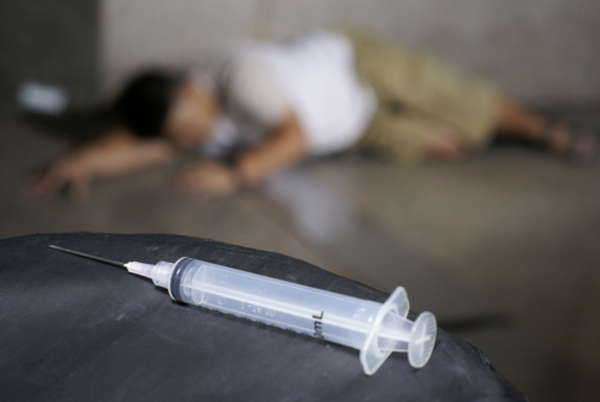
Heroine can be smoked or ingested through the nasal cavity; however, a prominent form of Heroin usage involves its injection through the use of intravenous needles – this method of usage has accounted for a multitude of contracted diseases and infections
What are the Dangers of Heroin?
The dangers of Heroin are vast; they can range from psychological devastation to physical damage. Consistent Heroin usage results in an advanced tolerance to the drug on the part of the user, requiring them to gradually increase the amount of the drug needed to achieve the desired results – the has accounted for a multitude of Heroin-related death as a resulting from an overdose of the drug.
Criminal Charges Associated with Heroin
Amongst the multitude of classifications inherent to the drug industry within modernity – ranging in legality, accessibility, and punitive recourse concerning the possession of Heroin, the following criminal charges may be applicable to individuals undertaking the use of Heroin:
The Possession of Heroin
A charge furnishing details expressing the illegal possession of Heroin may be defined as the unlawful, illicit, and prohibited ownership of Heroin; however, the nature within which the individual suspect in question gained access to the Heroin may also be associated with the investigation.
Criminal charges expressing the illegal possession of Heroin are subject vary in nature, which commonly involves the classification of Heroin discovered on the person of the individual, the location within which the apprehension took place, the analysis of any or all criminal history belonging to the individual suspect, as well the implicit, intended usage of the Heroin discovered on the individual suspect.
The Trafficking of Heroin
Drug Trafficking is defined as the illegal sale, production, transport, movement, and distribution of illegal drugs and controlled-substances attained through unlawful means. The notion of trafficking within the scope of legality is not specific to activity involving drugs; human trafficking – the illegal and bartering and transport of human beings – is considered to be one of the most egregious violations of human rights.
Drug Trafficking supersedes the notion of Drug Possession strictly in the sheer volume of the quantity of drugs discovered in the possession of a Drug Trafficking ring or operation; however, applicable legality and classification varies on a state-by-state and nation-by-nation basis.
International Drug Trafficking takes place as a result of the innate accessibility to certain items – chemical and natural – used in the production and manufacturing of specific drugs. For example, the Coca bean, which is instrumental in the production of Cocaine, is indigenous to South America; as a result, Drug Trafficking operations located in South America most-commonly focus on Cocaine