Yaz
📅 2026 Update: Changes in Drug Laws and Telehealth Services
Since the original article was published, there have been significant changes in drug laws and telehealth services related to controlled substances. These updates impact how individuals access medications and treatment for conditions like opioid use disorder. The earlier article continues further down the page, providing foundational information on drug laws and policies.
🏥 Telemedicine Flexibilities Extended
The U.S. Department of Health and Human Services (HHS) and the Drug Enforcement Administration (DEA) have extended telemedicine flexibilities for prescribing controlled substances through December 31, 2026. This means that DEA-registered practitioners can prescribe Schedule II-V medications via telehealth without needing a prior in-person visit.
This change aims to improve access to necessary medications for patients.
💊 Buprenorphine Telemedicine Rule Made Permanent
On January 17, 2025, a final rule was issued to make permanent the telemedicine flexibilities specifically for prescribing buprenorphine. Buprenorphine is widely used to treat opioid use disorder. This rule ensures that patients can continue to receive this important treatment through telehealth options.
⚖️ Strengthened Mental Health Parity
The final rule on the Mental Health Parity and Addiction Equity Act (MHPAEA) was released on September 9, 2024. This rule strengthens the requirements for health plans to offer equal benefits for mental health and substance use disorders compared to medical and surgical benefits. Effective as of November 22, 2024, this change promotes better access to treatment for individuals facing these challenges.
⏳ Processing Times for Telehealth Services
Processing times for telehealth prescriptions can vary by provider. Some may offer same-day consultations, while others might take longer to schedule an appointment. Patients should be aware of these timelines when seeking prescriptions for controlled substances or buprenorphine treatment via telemedicine.
📌 Key Points to Remember
- 🔹 Telemedicine flexibilities for prescribing controlled substances are extended through December 31, 2026.
- 🔹 Buprenorphine telemedicine prescribing rules are now permanent.
- 🔹 MHPAEA rules promote parity between mental health and substance use disorder benefits.
- 🔹 Processing times for telehealth services can vary, affecting access to medications.
💡 Tips for Navigating Drug Laws and Telehealth Services
It's important to review your specific situation with an attorney to fully understand your options.
📋 Understand Telehealth Requirements
If you're seeking a telehealth prescription for controlled substances, ensure that the practitioner is registered with the DEA. A video consultation is required to assess your medical history before any prescriptions can be given.
💻 Explore Telehealth Options
When considering buprenorphine treatment via telemedicine, look for providers that offer this service. Each provider may have different eligibility requirements and intake forms. Researching your options can help you find the right fit.
💬 Check Eligibility for Benefits
Eligibility for telehealth prescriptions and buprenorphine treatment depends on several factors, including your medical history and the provider’s assessment. It's crucial to discuss these elements during your consultation.
💵 Review Costs Ahead of Time
Costs for telehealth consultations can vary significantly by provider. Some platforms may charge per consultation, while others may offer subscription-based models. Knowing the costs ahead of time can help you plan your budget.
📞 Utilize Available Resources
For those seeking help with mental health or substance use disorders, the Substance Abuse and Mental Health Services Administration (SAMHSA) offers a national helpline. This resource can provide information and treatment referrals.
🏆 Telehealth Services Ranked by User Reviews (2026)
This section highlights various telehealth services that connect to drug laws and access to medications, particularly for mental health and substance use disorders. The order follows Trustpilot data checked in October 2026. Remember that scores can fluctuate, and star ratings reflect only one aspect of customer experience, as unhappy customers tend to leave more feedback.
🥇 1. Talkiatry
Talkiatry has a Trustpilot score of 2.4. It is known for providing online psychiatry services and medication management, making it relevant for individuals needing mental health support. However, reviewers mention limited insurance coverage and variable clinician quality as concerns.
🥈 2. Direct Meds
Direct Meds holds a Trustpilot score of 4.6. The service specializes in GLP-1 telehealth, offering compounded medications like semaglutide and tirzepatide. While it has a strong reputation for quality verification, users should note that insurance acceptance may be limited, and some medications can have side effects.
🥉 3. Hims & Hers Health
Hims & Hers Health has a Trustpilot score of 3.0. This service is known for its online healthcare offerings, including prescription medications and personal care products. However, reviewers have raised concerns about customer service issues and the effectiveness of some products.
4️⃣ LifeStance Health
LifeStance Health has a Trustpilot score of 4.0, derived. It provides mental health services, including therapy and psychiatry, through telehealth. While many users appreciate the range of services, some report inconsistent service quality and issues with appointment availability.
🆓 Free Government and Nonprofit Help
The U.S. Department of Labor provides resources regarding the Mental Health Parity and Addiction Equity Act. Patients can contact the Employee Benefits Security Administration for assistance.
Additionally, SAMHSA offers a national helpline for individuals seeking treatment referrals.
🔎 Comparing Telehealth Services
- 🔍 Trustpilot scores and review counts.
- 🔍 Range of services offered (psychiatry, medication management).
- 🔍 Insurance acceptance and payment models.
- 🔍 User feedback on service quality and effectiveness.
❓ Frequently Asked Questions
❔ What are the current telehealth prescription rules?
Telehealth prescriptions for controlled substances can now be prescribed without a prior in-person visit through December 31, 2026. Practitioners must conduct a video consultation to assess eligibility.
❔ How can I access buprenorphine treatment via telemedicine?
To access buprenorphine treatment through telemedicine, patients need to find a provider offering this service and schedule a virtual consultation. The provider will evaluate eligibility based on medical history and current condition.
❔ What changes were made to the Mental Health Parity Act?
Final rules strengthening the Mental Health Parity and Addiction Equity Act were released on September 9, 2024. These rules require health plans to provide equal benefits for mental health and substance use disorders compared to medical and surgical benefits.
❔ Are there any costs associated with telehealth services?
Costs for telehealth consultations vary by provider. Some may charge a per-consultation fee, while others might have subscription models. Checking with individual providers is essential to understand current pricing.
❔ Where can I find help for substance use disorders?
For assistance, individuals can contact the Substance Abuse and Mental Health Services Administration (SAMHSA) at their national helpline, which offers information and treatment referrals for mental health and substance use disorders.
❔ How long does it take to get a telehealth appointment?
Processing times for telehealth appointments can differ by provider. Some platforms may provide same-day consultations, while others might take several days to schedule an appointment.
⚖️ Recent Court Cases Related to Drug Laws
Recent court rulings have impacted the landscape of drug laws and regulations, particularly in how controlled substances are managed and prescribed. These decisions can influence access to medications and treatment options.
- Florida court upholds traffic stop leading to drug chargesDistrict Court of Appeal of Florida · March 24, 2021
- Florida court upholds life sentence for drug-related murderDistrict Court of Appeal of Florida · July 13, 2021
- Court rules police exceeded authority in drug case appealDistrict Court of Appeal of Florida · July 15, 2021
- Court upholds drug trafficking conviction of Gregory RobinsonDistrict Court of Appeal of Florida · October 13, 2021
For more recent rulings, feel free to browse more rulings on the news page.
End of October 2026 Update
What is Yaz?
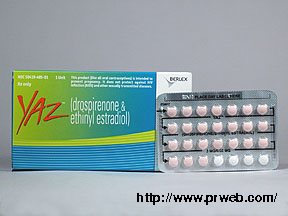
Yaz is a birth control product, generically known as Drospirenone that was developed by Schering AG and now manufactured by Bayer Pharmaceuticals. The drug works as a synthetic form of progesterone. The drug essentially confuses the body into believing it is pregnant. In doing so an egg is not released into the uterus and the lining of the uterus is expanded and prevents sperm from traveling. The drug is also used to treat acne in women over the age of 14.
Side effects
Normal side effects associated with Yaz include persistent irritability, anger, depressed mood, anxiety, tension emotional changes, decreased interest in activities and problems concentrating. The use of Yaz has also been linked to more serious conditions including gallbladder disease, blood clots, stroke, heart attack, liver tumors, high blood pressure and breast cancer.
Government Regulation
In 2008 the FDA cited Bayer for an advertising campaign that overestimating the effects of Yaz and failing to address the risks associated with the drug. In 2009 the FDA again cited Bayer for sending inferior batches of Yaz into the stream of commerce. Once again, in June 2011 the FDA issued a warning after conducting studies on Pancreatitis in birth control medications. The study conclusively found a link between Pancreatitis and drugs containing estrogen and drospirenone, including Yaz. The FDA issued regulations requiring Bayer to include a warning on the label that informs its consumers of the risk. The research warns women who suffer from hypertriglyceridemia that they are at an increased risk of developing Pancreatitis when using Yaz. Yaz associated pancreatitis can lead to severe side effects including organ failure, shock and death.
Litigation
As of May 2011 there are over nearly 8,000 cases involving Yaz. The actions have been consolidated but new plaintiffs join every day. The complaints range in description of injury from gallbladder disease to pancreatic. The cases are not set to go to trial until 2012.
If you or someone you know has been injured through the use of Yaz or any other birth control product involving estrogen and drosperinone it is important that you seek a physician's assistance. If you have been diagnosed with pancreatitis, gallbladder disease or any other conditions associated with Yaz it is important that you seek an attorney's advice to better understand your rights.