Crack
📅 2026 Update: Changes in Drug Law and Policy
Since the original article was published, several important changes have occurred in U.S. drug law, especially concerning controlled substances, treatment options, and marijuana regulations. These updates reflect ongoing efforts to adapt to the evolving landscape of drug use and addiction. The earlier article continues further down the page for more details on these topics.
🏥 Drug Overdose Deaths Decline
In a positive turn, the United States saw a 26.2% decrease in drug overdose deaths from 2024 to 2026. The age-adjusted death rate dropped from 31.3 to 23.1 deaths per 100,000 people. This decline signals potential improvements in addressing substance use issues nationwide.
📱 Telemedicine Flexibilities Extended
The U.S. Department of Health and Human Services and the Drug Enforcement Administration have extended telemedicine flexibilities for prescribing controlled medications through December 31, 2026. This means patients can continue to receive prescriptions without needing prior in-person visits, enhancing access to necessary medications for many individuals.
🍃 Federal Marijuana Rescheduling
In April 2026, the federal government reclassified state-licensed medical marijuana from Schedule I to Schedule III. This change recognizes its medical use, yet marijuana remains illegal for recreational use under federal law. The shift reflects evolving views on marijuana's role in treatment.
💸 Costs for Addiction Treatment Programs
The costs for addiction treatment vary widely. Outpatient services average between $1,000 and $10,000 per month, while inpatient programs can range from $6,000 to $20,000 for a 30-day stay. Understanding these expenses is crucial for individuals and families seeking help.
📍 Key Points Summary
- 📉 26.2% decrease in drug overdose deaths from 2024 to 2026.
- 📅 Telemedicine flexibilities extended through December 31, 2026.
- 🍃 Federal reclassification of medical marijuana to Schedule III.
- 💰 Outpatient treatment costs range from $1,000 to $10,000 per month.
- 🏥 Inpatient programs can cost between $6,000 and $20,000 for a month.
💡 Tips for Understanding Drug Laws and Treatment Options
Review the details of your situation with your attorney to ensure you understand your rights and options.
📝 Understand the Telemedicine Process
To get a prescription via telemedicine, you'll need to schedule a virtual appointment with a DEA-registered practitioner. The process includes a medical evaluation, and if appropriate, a prescription will be issued.
📅 Know the Enrollment Steps for Treatment
When seeking addiction treatment, you must complete an assessment to determine your needs. After that, you can choose between inpatient or outpatient programs based on the assessment results.
🕒 Be Aware of Processing Times
For telemedicine prescriptions, expect processing within 24 to 48 hours after your consultation. For addiction treatment, enrollment can be immediate for inpatient programs, while outpatient options may have waiting lists.
📍 Eligibility Requirements
To receive telemedicine prescriptions, ensure you are located in a state where the practitioner is licensed. For treatment programs, many are open to individuals with substance use disorders, though some may have specific requirements.
🆓 Explore Free Resources
Don't overlook free resources like the Substance Abuse and Mental Health Services Administration. They offer a helpline for confidential information and referrals, which can be very helpful if you need support.
🏆 Free Options Ranked by User Reviews (2026)
No national paid service in this area met the review threshold for this topic, so this section lists free government and nonprofit resources available for substance use support.
🥇 1. Substance Abuse and Mental Health Services Administration (SAMHSA)
SAMHSA provides a national helpline that offers confidential information and treatment referrals. Their services are available 24/7, helping individuals and families navigate substance use issues and find appropriate care.
🥈 2. Local Health Departments
Many state and local health departments offer free or low-cost addiction treatment services. These resources can assist individuals in finding treatment options that fit their needs and financial situations.
🥉 3. National Alliance on Mental Illness (NAMI)
NAMI provides resources and support for individuals affected by substance use disorders. They offer educational materials, support groups, and access to local services that can aid in recovery efforts.
4️⃣ Community Support Centers
Various community organizations provide support services for individuals struggling with addiction. These centers often offer counseling, group therapy, and recovery support tailored to local needs.
5️⃣ Peer Support Networks
Peer support networks connect individuals in recovery with others who have similar experiences. These networks can provide emotional support and practical advice on navigating the recovery process.
🔎 Things To Check Before Paying for Help
- 🏢 Verify the credentials of the service provider.
- 🔎 Research reviews and ratings from previous users.
- 📋 Confirm the types of services offered align with your needs.
- 💰 Inquire about costs and payment options upfront.
❓ Frequently Asked Questions
❓ What are the current drug overdose death rates?
In 2024, the U.S. reported 79,384 drug overdose deaths, resulting in an age-adjusted rate of 23.1 deaths per 100,000 people.
📅 How has telemedicine impacted prescription access?
The extension of telemedicine flexibilities through December 31, 2026 allows patients to receive prescriptions for controlled medications without needing prior in-person visits.
🍃 What does federal rescheduling of marijuana mean?
The reclassification of medical marijuana to Schedule III acknowledges its medical use but keeps it illegal for recreational purposes under federal law.
💸 What are the typical costs for addiction treatment?
Outpatient treatment costs range from $1,000 to $10,000 per month, while inpatient programs can vary between $6,000 and $20,000 for a 30-day stay.
📞 How can I find free addiction treatment resources?
Free resources include the Substance Abuse and Mental Health Services Administration helpline and local health departments that may offer low-cost services.
🔑 What eligibility requirements exist for telemedicine prescriptions?
Patients must be in a state where the prescribing practitioner is licensed and have a valid relationship with that practitioner to access telemedicine prescriptions.
⚖️ Recent Cases Related to Drug Law
Recent court rulings highlight ongoing legal interpretations of drug laws, particularly concerning controlled substances and addiction treatment.
- Ohio Court upholds conviction of Walter Galloway for fentanylOhio Court of Appeals · July 20, 2026
- Ohio Court upholds maximum sentences for drug offensesOhio Court of Appeals · July 20, 2026
- Ohio Court upholds traffic stop in drug case against DunchOhio Court of Appeals · July 27, 2026
- Ohio Court upholds drug possession fines for BasdonOhio Court of Appeals · July 27, 2026
Browse more rulings on the news page for the latest updates in this area.
End of October 2026 Update
What is Crack?
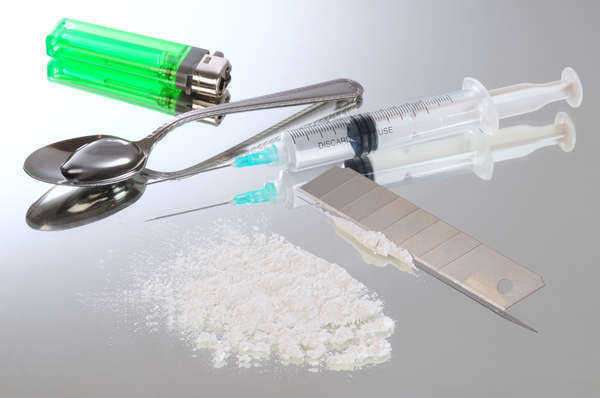
Crack cocaine is the freebase form of cocaine. Crack, as oppose to the powderized form of cocaine, can be smoked. In a pure form, a crack rock will appear as an off-white nugget with jagged edges and in possession of a density similar to candle wax. Purer forms of crack rocks will resemble a hard brittle plastic in a crystal form—the crack snaps when it is broken.
Psychological Effects of Crack Cocaine:
Crack acts as an anesthetic; when smoked, the drug numbs the tongue and mouth. In addition to these physical effects, crack possesses a number of psychological effects. Crack cocaine is a substance that affects the brain chemistry of its user; when smoked, crack cocaine manipulates the brain to create a sense of euphoria, supreme confidence, a drastic loss of appetite, insomnia, increased alertness, a heightened sense of energy and most drastically a deadly craving for more cocaine.
The initial effect of crack cocaine is to release an obscene amount of dopamine—a brain chemical that induces feelings of euphoria-- into the user’s system. The typical high off crack cocaine will last from 5-10 minutes; after this time the dopamine levels in the brain plummet, leaving the user horribly depressed and in need of more.
Once the high wears off, the typical response among users is to have another hit; however, the levels of dopamine in a human’s brain take an exceedingly long time to replenish causing each hit taken in succession to lead to a less intense high.
The use of cocaine in a binge fashion, during which the drug is taken repeatedly and at an increasingly high dose, will lead to a state of increasing instability, paranoia and restlessness. The administration of the drug in this setting may result in a full-blown paranoid psychosis, in which the user loses touch with his or her self and reality in general.
As a result of the effects of the dopamine levels in the brain, crack cocaine is widely thought to be the most addictive form of cocaine and one of the most addictive forms of drugs in the world.
Legal Status of Crack in the United States:
Cocaine is regarded, according to the United Nations, as a Schedule 1 drug. This classification labels all forms of cocaine, including crack, as an illegal drug for non-state-sanctioned production, manufacturing, export, import, distribution, trade, use and possession.
In the United States, cocaine is regarded as a Schedule II drug, based on the Controlled Substances Act. This classification labels the drug as having a high abuse potential but also in possession of a medicinal purpose. Under the DEA listing of schedule 1 substances, crack is not considered separate from cocaine, because they are in essence, the same drug compound in different forms.
That being said, the drugs are attached with disproportionate sentences as mandated by the Federal Sentencing Guidelines for crack cocaine versus powder cocaine. For example, the 5-year minimum sentence for trafficking 500g of powdered cocaine, will be imposed with a 100:1 ratio for the mere possession of 5 grams of crack cocaine.