Meridia Recall
📅 2026 Update: Key Changes in Drug Safety and Costs
Since the original article on Meridia was published, there have been notable updates related to drug safety and prescribing information. The FDA has issued new warnings regarding medications that may impact users' health. These changes are crucial for anyone considering or currently using prescription drugs like aripiprazole (Abilify) and phentermine (Adipex-P).
The earlier article continues further down the page, providing foundational information on Meridia.
⚠️ New Warnings for Aripiprazole (Abilify)
In October 2026, the FDA updated the prescribing information for aripiprazole. This medication now includes warnings about tardive dyskinesia. This condition can cause involuntary movements and may become permanent.
Patients should discuss these risks with their healthcare provider before starting treatment.
💔 Cardiovascular Risks with Phentermine (Adipex-P)
In 2025, the FDA released a safety communication about phentermine. It highlighted the risk of serious cardiovascular events, such as heart attack and stroke. These risks are especially concerning for patients with existing heart conditions.
Users should be monitored closely for any signs of these serious side effects.
💰 Current Pricing for Medications
As of October 2026, the average retail price for aripiprazole is around $1,200 for a 30-day supply. The cost of phentermine generally ranges from $30 to $100 for a 30-day supply. Prices may vary based on insurance and discounts available at pharmacies.
🏥 Medication Forms and Dosages
Aripiprazole is available in oral tablet form, with dosages from 2 mg to 30 mg. Phentermine can be found in both tablet and capsule forms, with dosages of 15 mg, 30 mg, and 37.5 mg. Patients should follow their healthcare provider's instructions regarding dosages.
📌 Key Takeaways
- ⚠️ New warnings for aripiprazole about tardive dyskinesia.
- 💔 Phentermine linked to serious cardiovascular risks.
- 💰 Aripiprazole averages $1,200; phentermine ranges from $30 to $100.
- 🏥 Dosages for aripiprazole and phentermine vary significantly.
- 🏥 Monitor closely for side effects when using these medications.
💡 Tips for Understanding Drug Safety and Costs
Review the details of your situation with your attorney to ensure you understand your rights and options.
🏷️ Know the Side Effects
Both aripiprazole and phentermine have side effects that users should be aware of. For aripiprazole, side effects may include restlessness, nausea, and dizziness. Phentermine can lead to fast heartbeat and high blood pressure.
Monitoring for these effects is essential.
🔍 Research Insurance Coverage
Insurance coverage can vary for both medications. Patients should check with their insurance provider for specific details on coverage and out-of-pocket costs. This helps in understanding potential financial commitments.
💊 Use Medications as Prescribed
It is important to only use aripiprazole and phentermine for their intended medical conditions. Both medications should be taken under the supervision of a healthcare provider. Following the prescribed dosage is crucial to minimize health risks.
🏥 Regular Follow-Up Appointments
Patients should schedule regular follow-up appointments with their healthcare provider. These appointments help assess treatment effectiveness and make necessary adjustments. They also provide an opportunity to discuss any emerging side effects.
📅 Monitor Health Changes
Be aware of potential withdrawal symptoms when discontinuing these medications. Consulting a healthcare provider for guidance on tapering the dosage is essential for safe discontinuation.
🏆 Ranked by User Reviews (2026)
This section provides insights into services related to drug safety and management, focusing on credit repair, which may indirectly affect access to healthcare. These services are ranked based on Trustpilot scores and reviews as of October 2026. Remember, these scores can change, and unhappy customers may contribute more reviews, which can influence overall ratings.
🥇 1. Lexington Law
Lexington Law has been rated 3.2 stars. It is known for offering credit repair services and legal assistance in addressing credit issues. However, some users have reported problems with service quality.
Mixed reviews suggest that while some clients see positive results, others encounter challenges with customer support.
🥈 2. CreditRepair.com
CreditRepair.com holds a low rating of 1.2 stars. The service is known for its credit repair capabilities and assistance in improving credit scores. However, numerous complaints about billing practices and concerns over the effectiveness of the service have been noted.
This reflects the importance of researching thoroughly before engaging any service.
🆓 Free Government and Nonprofit Resources
The National Alliance on Mental Illness (NAMI) and the Obesity Action Coalition provide free resources and support for individuals dealing with mental health conditions and weight management solutions. These organizations can be valuable for those seeking help without the financial burden.
🔎 What to Compare When Choosing Services
- 🔍 Trustpilot scores and review counts for reliability.
- 💰 Price transparency and any potential hidden fees.
- 🏥 Availability of support and follow-up services.
- 📞 Customer service responsiveness and quality.
- ⚖️ Range of services provided related to drug management.
❓ Frequently Asked Questions
❓ What is tardive dyskinesia?
Tardive dyskinesia is a disorder that causes involuntary movements, often in the face and limbs. It can be a side effect of long-term use of certain medications, including aripiprazole.
💔 What are the cardiovascular risks of phentermine?
Phentermine has been linked to serious cardiovascular events such as heart attack and stroke, particularly in individuals with pre-existing heart conditions. Patients should be monitored closely for these risks.
💊 How should I store these medications?
Both aripiprazole and phentermine should be stored in a cool, dry place, away from direct sunlight and out of reach of children. Proper storage helps maintain medication effectiveness.
📅 Can I stop taking these medications suddenly?
Patients should consult their healthcare provider before discontinuing medications like aripiprazole and phentermine. Stopping abruptly can lead to withdrawal symptoms, so tapering may be necessary.
🤔 Are there generic versions of these medications?
Generic versions of aripiprazole and phentermine may be available, potentially lowering costs. Patients should speak with their healthcare provider or pharmacist about options.
🏥 How often should I follow up with my healthcare provider?
Regular follow-up appointments are essential to monitor the effectiveness of the treatment and adjust as needed. Patients should discuss the appropriate frequency of visits with their healthcare provider.
⚖️ Recent Cases Related to Drug Safety
Recent court rulings have focused on drug safety and liability issues, which connect to the broader topic of controlled substances and their regulations. These cases highlight the ongoing legal landscape surrounding medications.
- Ninth Circuit upholds conviction of Marcello Rivera for drug crimesCourt of Appeals for the Ninth Circuit · September 23, 2026
- Sixth Circuit affirms drug conspiracy conviction of WalkerCourt of Appeals for the Sixth Circuit · September 25, 2026
- Idaho Supreme Court Upholds Evidence Seizure in Drug CaseIdaho Supreme Court · September 22, 2026
- Delaware Supreme Court upholds drug and firearm convictionsSupreme Court of Delaware · August 19, 2026
You can browse more recent rulings in the news section.
End of October 2026 Update
What is Meridia?
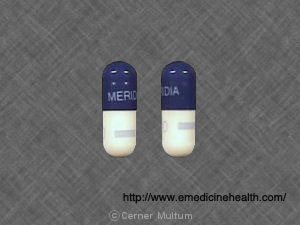
Meridia, generically known as Sibutramine, is a pharmaceutical product developed by Knoll Pharmaceuticals and Abbot Laboratories that was prescribed for obesity until its recall from the market in 2010. The drug works by making a person feel full quicker. The drug functions by acting on receptors in the brain and block levels of serotonin, norepinephrine and dopamine in the brain. Original studies concluded that the use of Merida effectively helped people who suffered from extreme obesity lose considerable amounts of weight while at the same time lowering their amounts of cholesterol, specifically LDL's, and triglycerides.
Side Effects
Side effects most notable attributed to the use of Meridia have been dry mouth, increased appetite, nausea, strange taste in the mouth, upset stomach, constipation, trouble sleeping, dizziness, drowsiness, menstrual pain, headache, flushing or joint and muscle pain.
The side effects that are the more troubling with Meridia are increased blood pressure, cardiac arrhythmias, paresthesia, mood changes, and thoughts of suicide. The most serious side effects noted with the product include: problems, urinations, seizures, melena, hematamesis, jaundice, fever, chest pain, abnormal vision and edema.
Government Regulation
Prior to 2005 many reports began being published indicating a correlation between Meridia sudden death, as well as sudden heart and renal failure. Since then the FDA has begun to more fully investigate the product. Studies have shown that users of Meridia have a higher risk of heart attack, stroke, cardiac arrest, and death than patients using a placebo. The FDA has not made any conclusive statements about the dangerousness associated with Meridia. In 2010, over concerns from the FDA that the slight benefits associated with Meridia were outweighed by the complications concerning its side effects, Abbot Laboratories removed the product from the market.
Lawsuits
In 2002, 8 years prior to the voluntary recall of Meridia, there were 2 lawsuits filed against Abbot Laboratories. These lawsuits claim that Abbot Laboratories knew, or should have known, and failed to warn, of the possible side effects of Meridia use, specifically death caused by heart attacks and strokes.
To this day there has been little success in civil action against Abbot Laboratories in suits over Meridia. In 2004 a federal judge in Ohio dismissed 113 claims against Abbot Laboratories citing a lack of evidence that would be sufficient to go to trial.