A Profile on Drug Addiction
📅 2026 Update: Key Developments in Drug Addiction and Treatment
Since the original article was published, significant changes have occurred in the landscape of drug addiction treatment and policies in the United States. The Centers for Disease Control and Prevention (CDC) has updated its guidelines and released new statistics that highlight the ongoing challenges of substance use disorders. The earlier article continues further down the page and still provides essential insights into drug addiction.
🆕 New CDC Guidelines on Opioid Use Disorder
On April 9, 2024, the CDC updated its guidelines for treating opioid use disorder (OUD). The new focus emphasizes medication treatment as a key method to lower the risk of overdose and mortality. This marks a shift towards more evidence-based approaches in managing addiction.
- 🩺 Medication Treatment: Medication-Assisted Treatment (MAT) is now considered critical for effective OUD management.
📊 Increased Prevalence of Substance Use Disorders
The CDC reported that in 2022, over one in six Americans aged 12 or older experienced a substance use disorder. This statistic highlights the growing scope of the issue and the need for effective treatment options.
- 📈 Widespread Impact: The rising number shows that substance use disorders affect a significant portion of the population.
💰 Understanding Costs for Treatment
Costs for Medication-Assisted Treatment (MAT) can vary widely depending on the specific medication and treatment setting. For example, methadone treatment often requires daily visits, which can add transportation and time costs.
- 🚑 Daily Visits: Such requirements can lead to significant logistical challenges for patients.
📅 Enrollment and Treatment Processes
Enrolling in an opioid treatment program can take several days to weeks, depending on availability. Patients can expect a thorough assessment before starting medication like buprenorphine or methadone.
- 📝 Assessment Phase: This initial step is crucial for tailoring the treatment plan to individual needs.
📌 Summary of Key Points
- 🆕 New CDC guidelines stress medication treatment for opioid use disorder.
- 📊 Over one in six Americans faced a substance use disorder in 2022.
- 💰 Costs for MAT can vary, particularly for methadone requiring daily visits.
- 📅 Enrollment in treatment programs may take days to weeks.
- 📝 Initial assessments help customize treatment for patients.
💡 Tips for Managing Drug Addiction
Review your specific circumstances carefully with your attorney.
🏥 Seek Professional Help Early
Early intervention can significantly improve the chances of successful recovery. If you or someone you know is struggling with substance use, reach out to healthcare providers for support.
📄 Understand Treatment Options
Familiarize yourself with different medication treatments for opioid use disorder, including buprenorphine, methadone, and naltrexone. Each has specific eligibility requirements and treatment processes.
📅 Follow Up on Treatment Plans
Regularly follow up with healthcare providers to adjust treatment plans as needed. Continuous monitoring is essential for maintaining progress and preventing relapse.
🚫 Be Aware of Dependence Risks
Long-term use of medications like Ambien is not recommended due to the risk of dependence. Discuss any concerns about medication use with a healthcare professional.
🧠 Engage in Behavioral Therapies
Consider combining medication treatment with counseling and behavioral therapies. This approach can enhance the effectiveness of medication-assisted treatment and support overall recovery.
🚑 Utilize Available Resources
Take advantage of free resources like the SAMHSA Treatment Locator. This tool helps find local facilities for substance use disorders, making it easier to access help.
🏆 Free Options Ranked by User Reviews (2026)
In the realm of drug addiction treatment, no national paid service met the review threshold for inclusion. This section focuses on valuable free government and nonprofit resources available for those in need.
🥇 1. SAMHSA Treatment Locator
The Substance Abuse and Mental Health Services Administration (SAMHSA) offers a free Treatment Locator. This valuable tool helps individuals find local treatment facilities for substance use disorders.
- 🌍 Who It Helps: This resource is beneficial for anyone looking for treatment options in their area, making it easier to access necessary services.
🥈 2. National Institute on Drug Abuse (NIDA)
NIDA provides extensive information and resources related to addiction treatment and recovery. Their website features educational materials on various substances and evidence-based practices.
- 📚 Who It Helps: This resource is helpful for individuals, families, and professionals seeking to understand addiction and treatment options better.
🥉 3. Local Health Departments
Many local health departments offer programs and resources for substance use treatment. They may provide information on available services and support for individuals struggling with addiction.
- 🏥 Who It Helps: These departments can assist community members in finding local support and treatment options tailored to their needs.
4️⃣ Community Support Groups
Local community organizations often host support groups for those dealing with substance use disorders. These groups provide peer support and a safe space for sharing experiences.
- 💬 Who It Helps: Individuals seeking community support can benefit from the shared experiences and encouragement found in these groups.
🔎 What to Evaluate Before Paying for Help
- 🔍 Check for free government resources first.
- 📊 Look for reviews and ratings of any services.
- 🏢 Verify the credentials of any treatment facility.
- 📞 Ensure they provide personalized care and follow-ups.
❓ Frequently Asked Questions
🤔 What is Medication-Assisted Treatment (MAT)?
MAT combines FDA-approved medications with counseling and behavioral therapies to treat opioid use disorder. This approach aims to reduce the risk of overdose and improve recovery outcomes.
🕒 How long does it take to enroll in a treatment program?
Enrollment in an opioid treatment program can take several days to weeks. Factors such as program availability and patient readiness can affect this timeline.
🚑 What should I do if I experience withdrawal symptoms?
If experiencing withdrawal symptoms, consult a healthcare provider for guidance. Gradual tapering off medications like Ambien may be necessary to minimize discomfort.
🧑🤝🧑 Can family support help in recovery?
Yes, family support can play a crucial role in recovery from substance use disorders. Engaging family members in the treatment process can enhance motivation and accountability.
🎯 What should I do if my medication isn’t working?
If medication is not effective, consult your healthcare provider for an assessment. They may adjust the dosage or consider alternative treatment options.
📅 Are there specific deadlines for starting treatment?
While there are no strict deadlines for initiating treatment, timely action is essential to prevent relapse. Delays may impact the effectiveness of the recovery process.
⚖️ Recent Court Cases Related to Drug Addiction
Recent court rulings have addressed various issues surrounding drug addiction treatment and policies. These rulings can influence how treatment programs operate and the legal landscape for addiction recovery.
- Delaware Supreme Court upholds drug and firearm convictionsSupreme Court of Delaware · August 19, 2026
- North Carolina Supreme Court Rules on Garmon Drug CaseSupreme Court of North Carolina · August 14, 2026
- Maryland Court Upholds Conviction in Drug Possession CaseCourt of Appeals of Maryland · August 7, 2026
- First Circuit Court rules on González drug smuggling caseCourt of Appeals for the First Circuit · September 4, 2026
For further information, you can browse more rulings on the news page.
End of October 2026 Update
Drug Addiction Defined
Drug Addiction is a medical classification implemented with regard to the classification of the rate of drug usage undertaken by an individual in conjunction with the nature of the substance habitually used by an individual – or individuals – suspected of Drug Addiction.
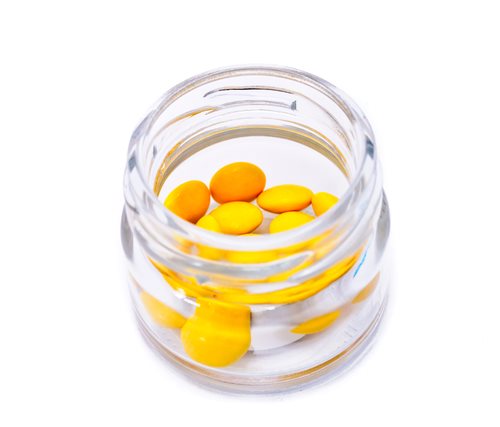
This process of Drug Addiction determination undertaken by medical professionals and drug counselors utilizes a wide range of factors, analysis, and observation of habitual behaviors concerning both the usage, as well as the reliance on illegal drugs. Due to the fact that Drug Addiction is considered as rooted within the psychological profile of an individual, as well as their physiology, the classification of the risks, levels, and severity of Drug Addiction is rarely uniform:
Contributing Factors to Drug Addiction
The National Institute on Drug Addiction (NIDA) identifies the following 3 contributory factors to be amongst the most significant with regard to Drug Addiction:
The environment of an individual is defined as the events, items, and people surrounding the individual in question; in the event that an individual is surrounded by individuals suffering from Drug Addiction – or the opportunities to undertake the usage of drugs, their respective proclivity for the development of Drug Addiction or drug addition is considered to be at a significant increase
The physiology of an individual is defined as their biological makeup, which consists of their respective habits, patterns, and behaviors; while certain individuals display traits of addiction and compulsion, others may not – the analysis of family history related to Drug Addiction is also considered to be amongst the most effective methods of determining individual risk of Drug Addiction
The personal development of an individual is defined as the methods, manners, and fashion applicable to that individual’s upbringing; due to the fact that the catalysts and triggers assumed to be contributory to the development of Drug Addiction are seldom uniform, individual life experiences, trauma, and mental state are considered to be the primary identifiers for the analysis of potential risk concerning the development of Drug Addiction habits
Drug Addiction: Getting Help
Drug Rehabilitation is a colloquialism that is commonly used when referring to facilities providing resources, programs, treatment, and rehabilitation for individuals suffering from Drug Addiction; due to the varying degree of addictedness to which the vast expanse of both illegal drugs, as well as controlled substances are classified, drug rehab treatment centers offer a wide range of treatment programs suited to meet the needs of individual cases of Drug Addiction.
The National Institute on Drug Addiction Drug Addiction Reports
Through the methodologies and ideologies undertaken by the National Institute on Drug Addiction, both the protection of the American public from the dangers and devastation connected to Drug Addiction - as well as the prevention of # takes place through the provision of educational resources and programs illustrating the dangers, risks, and destruction caused by Drug Addiction. In the event that you wish to obtain reports or findings illustrating Drug Addiction, you are encouraged to contact the National Institute on Drug Addiction through the following means:
National Institute on Drug Addiction and National Institutes of Health
6001 Executive Boulevard - Room 5213
Bethesda, Maryland
20892
(301) 443-1124