What Are Legal Drugs
📅 2026 Update: Changes in Drug Law and Marijuana Regulations
Since the original article was written, there have been significant changes in U.S. drug laws, especially regarding marijuana. These updates reflect ongoing shifts in public opinion and policy. The earlier article continues further down the page, detailing foundational information on legal drugs.
🌿 Current Marijuana Legislation
As of January 2026, marijuana is legal in 40 states for medical use and 24 states for recreational use. This marks an increase from 39 states for medical use in March 2025, highlighting a trend toward broader acceptance and legalization.
🏛️ Rescheduling of Marijuana Products
On April 23, 2026, the Department of Justice (DOJ) and Drug Enforcement Administration (DEA) announced the rescheduling of FDA-approved marijuana products and state-regulated medical marijuana products to Schedule III of the Controlled Substances Act (CSA). This change recognizes their medical use and lower potential for abuse.
- 🚨 Tax Relief: This rescheduling allows state-licensed medical marijuana businesses to benefit from tax relief. The federal tax penalty known as 280E only applies to drugs on Schedules I and II.
⚖️ Legislative Efforts
The Cannabis Administration and Opportunity Act (CAOA) was reintroduced in the Senate on July 16, 2026. This act aims to federally decriminalize marijuana by removing it from the CSA. It is part of a growing push for comprehensive marijuana reform.
🛡️ Public Health and Safety
In March 2026, the Drug Policy Alliance released a report titled "High-THC Marijuana: Protecting Public Health In A Changing Market." This report emphasizes the need for policy recommendations focused on public health and safety as marijuana becomes more available.
📅 Public Response and Support
In 2024, a significant poll indicated that 68% of Americans support making marijuana legal. This reflects a growing consensus around the need for reform in marijuana laws. Over two-thirds of public comments during the DOJ's public comment period also supported marijuana decriminalization or descheduling.
📌 Key Points
- 40 states allow medical marijuana; 24 states allow recreational use.
- Marijuana products were rescheduled to Schedule III on April 23, 2026.
- CAOA aims for federal decriminalization of marijuana.
- Public support for marijuana legalization continues to grow.
- Drug Policy Alliance reports highlight public health considerations.
💡 Tips for Understanding Legal Drugs
Review the specifics of your situation with your attorney to ensure you understand your rights and options.
📜 Know Your State Laws
Each state has its own laws regarding marijuana use. Familiarize yourself with local regulations to avoid legal issues.
🧑⚕️ Understand Medical Use
If you plan to use marijuana for medical reasons, ensure you qualify under your state’s medical marijuana program. Being registered can provide legal protections.
📊 Check Product Schedules
Stay updated on how marijuana products are classified under the Controlled Substances Act. Changes can affect their legal status and use.
🏥 Explore Treatment Options
If you or someone you know struggles with addiction, look for local treatment options. Many communities offer resources for those seeking help.
📬 Stay Informed
Follow updates from organizations like the Drug Policy Alliance. They provide reports and insights on changing drug laws and public health concerns.
📅 Participate in Public Comments
Be aware of opportunities to voice your opinion on drug policy changes, such as public comment periods. Engaging in these processes can influence future legislation.
🏆 Free Options Ranked by User Reviews (2026)
There are currently no national paid services that meet the review threshold for this area. Instead, this section highlights free government and nonprofit resources available to assist with understanding legal drugs and marijuana regulations.
🥇 1. Drug Policy Alliance
The Drug Policy Alliance provides research and policy recommendations related to drug use and public health. They focus on ensuring that drug policies prioritize public safety and health, especially regarding marijuana.
🥈 2. Partnership to End Addiction
This organization offers resources and support aimed at preventing and treating addiction. Their reports specifically address youth protection in the context of marijuana legalization.
🥉 3. Overdose Prevention Centers
States like New York and Rhode Island have opened authorized overdose prevention centers. These centers provide safe spaces for individuals and offer resources for addiction treatment and prevention.
4️⃣ State Health Departments
Local health departments often provide valuable information on drug laws, treatment options, and resources for individuals facing addiction. They can connect individuals with support services within the community.
5️⃣ Community Support Groups
Various nonprofit organizations run community support groups for those affected by drug use or addiction. These groups can provide peer support and share valuable information about treatment and recovery.
🔎 What to Check Before Paying for Help
- 🔍 Verify the credentials of the organization.
- 💬 Read user reviews and testimonials.
- 📅 Look for services that offer free consultations.
- 📖 Ensure they provide clear information on their services.
- 📞 Confirm they have local resources available.
❓ Frequently Asked Questions
🤔 What is the current status of marijuana legalization in the U.S.?
As of January 2026, marijuana is legal in 40 states for medical use and 24 states for recreational use.
🚨 What does rescheduling marijuana to Schedule III mean?
Rescheduling marijuana to Schedule III acknowledges its medical use and lowers its potential for abuse, allowing for tax relief for state-licensed medical marijuana businesses.
📈 How can I participate in the conversation about drug policy?
You can participate by submitting comments during public comment periods and engaging with organizations advocating for drug law reform.
🏥 Are there resources for addiction treatment?
Yes, many organizations provide support and resources for addiction treatment, including local health departments and nonprofit groups.
📊 What is the public opinion on marijuana legalization?
Polls show that 68% of Americans support making marijuana legal, indicating strong public backing for reform.
📅 How do I find out about changes in drug laws?
Stay informed by following reputable organizations like the Drug Policy Alliance, which regularly publishes reports on drug policy and public health.
⚖️ Recent Cases Related to Drug Laws
Recent court rulings have addressed the complexities of drug laws, particularly concerning marijuana. These cases can impact how laws are enforced and interpreted, affecting individuals and businesses alike.
- Ohio Court upholds drug trafficking convictions for BevinsOhio Court of Appeals · June 12, 2026
- Ohio Court affirms 19-year sentence for drug traffickingOhio Court of Appeals · June 29, 2026
- Ohio Court upholds drug trafficking conviction of FitzpatrickOhio Court of Appeals · June 12, 2026
- Ohio court upholds conviction in cocaine trafficking caseOhio Court of Appeals · June 30, 2026
For more information on recent rulings, check out the more rulings on the news page.
End of October 2026 Update
What is a Legal Drug?
A legal drug or intoxicants are drugs which are not prohibited by the United Nations Single Convention on Narcotic Drugs. This classification therefore enables legal drugs to be sold over the counter in various retail stores or food-suppliers throughout the world and the United States.
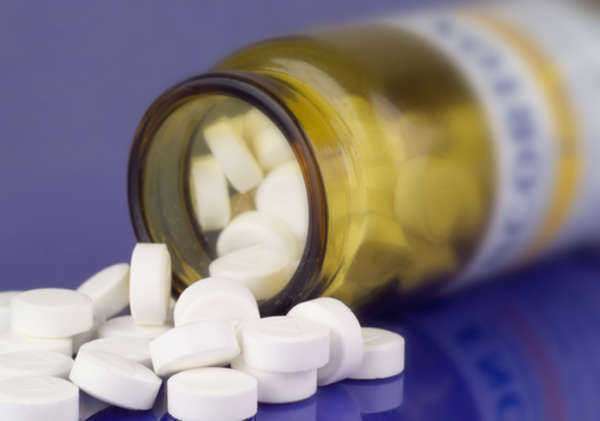
Individuals will consume legal drugs for a plethora of reasons; a legal drug may be used for a medicinal purpose or may be purchased as an intoxicating agent. The most commonly used intoxicant, throughout the world, is alcohol; however, many other legal drugs are used for intoxicating purposes, including various native plants and tobacco.
Similar to illicit substances, the field of legal drugs is divided into categories depending on what the makeup of the drug and what kind of affect the drug has on its user.
Types of Legal Drugs:
Stimulants: These legal drugs give an individual a boost of energy. Forms of legal drugs that are classified as stimulants include: Caffeine, which is a mild stimulant used most commonly in soft drinks coffee and tea, as well as Nicotine, which is a psychoactive drug commonly found in all tobacco products. Other forms of legal stimulants include Ephedrine and Mephedrone.
Hallucinogens/Psychoactive Legal Drugs: Salvia is a legal drug classified as a hallucinogen. Salvia is a psychoactive plant which can induce various dissociative effects and hallucinations which may last from a few seconds to several minutes. Salvia is similar to marijuana, however, the high is much shorter and more intense. It is commonly reported that salvia possesses a threshold dose, so larger or potent doses may be required to spark a high.
The Hawaiian baby woodrose is another form of hallucinogen that is currently not deemed illegal based on the United Nations Single Convention on Narcotic Drugs. The Hawaiian Baby Woodrose is a perennial climbing vine, whose seeds contain the alkaloid LSA, which is a chemical analog of LSD.
Nutmeg is also classified as a legal drug according to the United Nations. Nutmeg is commonly used in cooking, however, when raw, the seed contains elemicin and myristicin which are both considered potent psychoactive chemicals.
Depressants: Alcohol is classified as a legal depressant; such beverages contain the psychoactive drug, ethanol, which imposes a depressant effect on the user. Alcohol is deemed as a legal drug throughout the majority world (except some Muslim countries) although the use and possession of the legal drug is restricted.