Everything to know about Speed
📅 2026 Update: Recent Changes in Drug Laws Impacting Speed and Marijuana Use
Since the original article was written, significant changes have occurred in U.S. drug law, particularly regarding marijuana. These updates reflect ongoing shifts in public opinion and policy. The details below will highlight the most important changes that affect the understanding of speed and related topics.
🌿 Recent Marijuana Legislation
In July 2026, the Cannabis Administration and Opportunity Act (CAOA) was reintroduced in the Senate. This bill aims to federally decriminalize marijuana by removing it from the Controlled Substances Act. This change could have a major impact on how marijuana is viewed legally.
📉 Rescheduling of Marijuana Products
On April 23, 2026, the Department of Justice (DOJ) and Drug Enforcement Administration (DEA) announced a significant rescheduling of marijuana products. FDA-approved and state-regulated medical marijuana products were moved to Schedule III of the Controlled Substances Act. This acknowledges their medical use and lower potential for abuse.
🏛️ Public Support for Legalization
Support for marijuana legalization remains strong. By January 2026, marijuana was legal in 40 states for medical use and 24 states for recreational use. A 2025 poll indicated that 68% of Americans support making marijuana legal.
This reflects a trend toward acceptance and regulatory reform.
📋 Overdose Prevention Centers
New initiatives have been established to address addiction and overdose. Rhode Island opened its first authorized overdose prevention center in December 2024. Vermont also initiated a pilot program for overdose prevention centers in June 2024.
These centers aim to provide safe environments for people struggling with substance use.
📌 Key Points
- CAOA aims to federally decriminalize marijuana.
- Marijuana rescheduled to Schedule III recognizes its medical use.
- 40 states allow medical marijuana; 24 states allow recreational use.
- Overdose prevention centers are being established in various states.
- Public support for marijuana legalization remains high.
💡 Tips for Understanding Recent Drug Law Changes
Review your specific situation with an attorney for tailored guidance on drug laws.
⚖️ Know the Schedules
Understanding the Controlled Substances Act is crucial. As of April 2026, marijuana is now classified under Schedule III, which means it is recognized for its medical use. This change could affect penalties and legal implications for marijuana-related offenses.
🆓 Utilize Overdose Prevention Centers
If you or someone you know struggles with addiction, consider visiting an overdose prevention center. These centers provide safe spaces and resources for individuals seeking help with substance use and can support recovery efforts.
📜 Stay Informed on State Laws
Laws can differ significantly by state. As of January 2026, marijuana is legal in 40 states for medical use. Keeping updated on your state's specific laws regarding marijuana and other drugs can help you stay compliant.
📊 Monitor Public Health Reports
Reports from organizations like the Drug Policy Alliance offer insights into drug laws and public health. For example, their report on high-THC marijuana products provides valuable information on how legalization impacts health and safety.
🔍 Advocate for Change
If you are passionate about drug policy reform, consider engaging with organizations that focus on drug law advocacy. Groups like the Marijuana Justice Coalition promote descheduling marijuana and addressing criminal justice reform.
🏆 Free Options Ranked by User Reviews (2026)
No national paid services in drug law met the review threshold for this topic. However, there are several free government and nonprofit resources worth exploring.
🥇 1. Drug Policy Alliance
The Drug Policy Alliance focuses on drug policy reform and public health. They provide informative reports and resources to help communities understand the implications of drug laws. Their recent report on high-THC marijuana discusses the need for regulation and public health protection.
🥈 2. Partnership to End Addiction
This organization offers resources aimed at preventing youth substance use. Their report titled "Why and How We Should Protect Youth in the Context of State Marijuana Legalization" provides regulatory recommendations to ensure youth safety during the legalization process.
🥉 3. Overdose Prevention Centers
Various states have authorized overdose prevention centers to combat the rising rates of overdose deaths. These centers provide essential services to individuals struggling with addiction, offering them a safe place to receive support.
4️⃣ State Health Departments
State health departments often provide resources and information on local drug laws and addiction treatment options. They can help individuals understand the legal landscape regarding substance use in their areas.
5️⃣ Local Nonprofits
Many local nonprofits focus on addiction treatment and public health. They can provide community resources and support for individuals seeking help with substance use.
🔎 What to Check Before Paying for Help
- 🏷️ Verify the credentials of any organization you consider.
- 📋 Look for reviews or testimonials about their services.
- 🔍 Research their success rates in helping individuals.
- 🆓 Explore whether they offer any free resources.
❓ Frequently Asked Questions
❓ What is the current legal status of marijuana in the U.S.?
Marijuana is legal for medical use in 40 states and for recreational use in 24 states as of January 2026. This represents a significant shift toward broader acceptance.
🏥 How do overdose prevention centers work?
Overdose prevention centers provide a safe space for individuals to use drugs under supervision. They offer medical assistance and resources to help prevent fatal overdoses.
📊 What are the potential impacts of marijuana rescheduling?
Rescheduling marijuana to Schedule III acknowledges its medical benefits and lowers penalties for related offenses. However, it does not automatically expunge past convictions.
📅 How can I stay updated on drug law changes?
Monitoring reports from organizations like the Drug Policy Alliance and local health departments can provide valuable insights on changes in drug laws and policies.
📉 What are the consequences of drug possession in states without legalization?
In states where marijuana remains illegal, possession can lead to serious legal penalties, including fines and imprisonment. Understanding local laws is essential.
🔍 What should I do if I face drug-related charges?
If arrested for drug-related offenses, it’s important to consult an attorney for guidance on your specific situation. Legal representation can help navigate the complexities of drug laws.
⚖️ Recent Cases Related to Drug Laws
Recent court rulings have addressed key issues surrounding drug laws and their enforcement. These cases often reflect the evolving understanding of substance use and public health.
- Florida court upholds murder conviction in heroin overdose caseDistrict Court of Appeal of Florida · January 29, 2020
- Florida court affirms life sentence in drug distribution caseDistrict Court of Appeal of Florida · April 21, 2020
- Florida court reinstates evidence in drug case against SmithDistrict Court of Appeal of Florida · February 11, 2021
- Florida court reverses drug convictions due to unlawful stopDistrict Court of Appeal of Florida · February 5, 2020
Readers can browse more rulings on the news page for the latest updates on drug law cases and rulings.
End of October 2026 Update
What is Speed?
Speed is an amphetamine, which is a classification of a psycho stimulant drug of the phenethylamine family. All forms of these drugs produce increased energy, focus and wakefulness in association with a steep decline in appetite and fatigue. When used recreationally, speed is regarded as a performance enhancer or party drug. Recreational users of speed take the drug so they can stay out all night and maintain a heightened sense of awareness and energy; similar to ecstasy or cocaine, the drug is commonly taken in rave settings.
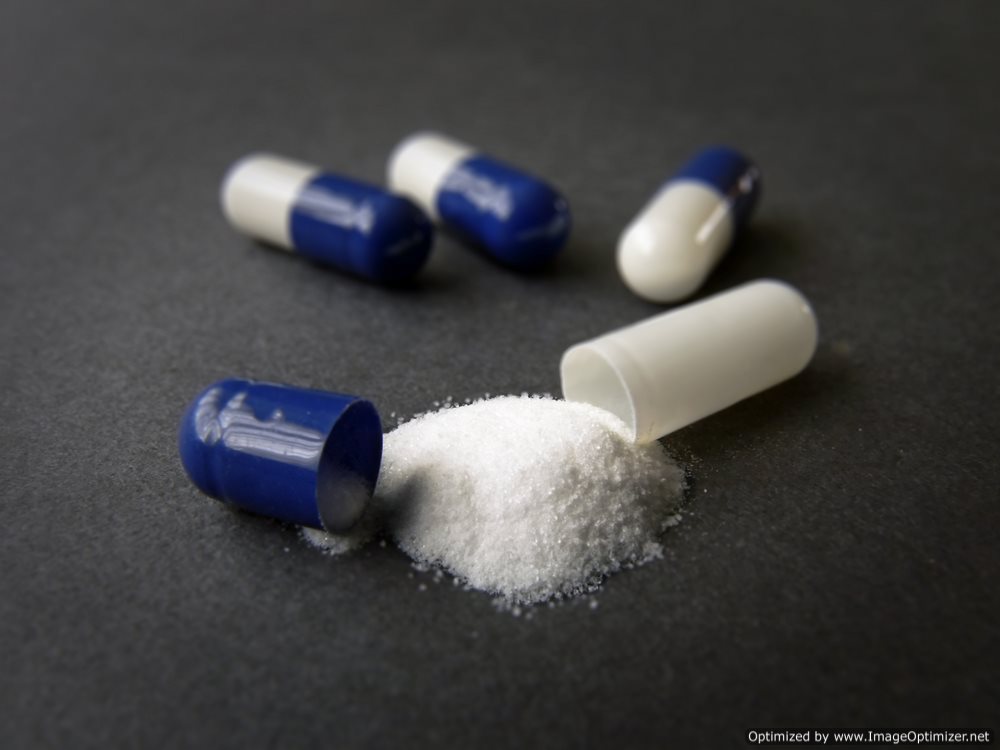
The European Monitoring Centre for Drugs and Drug Addiction reports that the typical retail price of diluted speed in Europe will vary between 3 and 15 pounds or $4 to $21 dollars.
Physical Effects of Speed:
Physical effects of speed include the following: hyperactivity, dilated pupils, blood shot eyes, dry mouth, headache, restlessness, twitching, tremors, palpitations, numbness, insomnia, dizziness, diarrhea, blurred vision, hypotension, fever, hypertension, the grinding of teeth, itchy skin, convulsions. These symptoms are typically attached to a light dosage of speed; with chronic and or high doses of speed, the user will experience the following side effects: stroke, heart attack, seizure and in some cases, death can occur.
Psychological Effects of Speed:
Psychological Effects of Speed include the following: a heightened sense of awareness, increased libido, a euphoric sense, increased alertness, concentration, energy, self-esteem, self-confidence, sociability, paranoia, obsessive and repetitive behaviors, excessive feelings of power, strength and superiority. With chronic or high doses, the user will experience the following psychological effects: severe agitation and mood swings and psychosis—the user will lose grip with reality.
Withdrawal Effects of Speed:
Speed is a highly addictive drug that contains numerous withdrawal effects. Withdrawal symptoms of speed primarily consist of the following feelings or ailments: mental fatigue, mental depression, anxiety, increased agitation, excessive sleep, vivid or lucid dreams, suicidal thoughts and an increased appetite. The severity of these symptoms will depend on the length of time and the amount of speed used; for occasional use these symptoms will last for days and weeks or months for chronic use.