What you must know about Heroin
📅 2026 Update: Changes in Drug Policy and Heroin Laws
Since the original article about heroin was published, several significant changes in U.S. drug policy have occurred. These changes mainly focus on marijuana laws and their potential impact on public health and safety. The earlier content provides a foundation for understanding these updates and their relevance to heroin and other substances.
🌿 Recent Marijuana Developments
In 2026, marijuana laws saw notable changes. The Cannabis Administration and Opportunity Act was reintroduced in the U.S. Senate.
This act aims to decriminalize marijuana at the federal level by removing it from the Controlled Substances Act.
- 📅 April 23, 2026: The Department of Justice and Drug Enforcement Administration announced plans to reschedule marijuana products to Schedule III. This change acknowledges their medical use and lowers their potential for abuse.
🏥 Overdose Prevention Centers
New overdose prevention centers have opened in various states. These centers aim to reduce deaths from overdose by providing safe spaces for drug use.
- 🏢 December 2024: Rhode Island opened its first authorized overdose prevention center.
- 🏢 June 2024: Vermont authorized a pilot program for overdose prevention centers.
📉 Changes in Marijuana Legalization
Marijuana legalization is expanding across the country.
- 📊 January 2026: Marijuana was legal in 40 states for medical use and 24 states for recreational use. This marks an increase from 39 states for medical use in March 2025.
📝 Public Health Reports
Several reports have been released focusing on marijuana use and its effects on public health.
- 📄 March 2026: The Drug Policy Alliance released a report titled "High-THC Marijuana: Protecting Public Health In A Changing Market." It addresses concerns about the availability of high-THC marijuana products.
📌 Key Changes Summary
- 🌱 Cannabis Administration and Opportunity Act aims for federal decriminalization.
- 🏥 New overdose prevention centers opened in Rhode Island and Vermont.
- 📈 Marijuana is legal in 40 states for medical use as of January 2026.
- 📄 Recent reports emphasize public health concerns related to marijuana use.
💡 Tips for Understanding Drug Policy Changes
Reviewing your specific situation with your attorney is essential to understanding drug laws.
🗣️ Stay Informed on Drug Laws
Stay updated on local and federal drug laws. Changes happen frequently, and knowing the latest rules can help you navigate legal challenges.
📞 Contact Local Health Departments
Local health departments can provide information on overdose prevention resources and treatment options available in your area.
🥼 Explore Medical Marijuana Options
If you are considering medical marijuana, check your state’s regulations. Many states have specific rules for obtaining medical marijuana for various conditions.
🌍 Use Community Resources
Community organizations often provide information and support for individuals struggling with addiction. Look for local programs that offer assistance.
📉 Understand the Impact of Rescheduling
Be aware that rescheduling marijuana to Schedule III doesn’t mean full legalization. It still maintains some legal restrictions, especially concerning past marijuana-related offenses.
📊 Support Public Health Initiatives
Engage with public health initiatives that promote safety and education around drug use. These programs can improve community health and reduce the stigma around addiction.
🏆 Free Options Ranked by User Reviews (2026)
No paid services met the review threshold for this topic, so here are free government and nonprofit resources to consider.
🥇 1. Drug Policy Alliance
The Drug Policy Alliance is focused on drug policy reform. It provides resources on addiction treatment and public health recommendations. Their reports emphasize the need for safe access to marijuana and other substances.
🥈 2. Partnership to End Addiction
This organization offers resources aimed at preventing substance use in youth. They provide recommendations for regulations that help protect young people in the context of marijuana legalization.
🥉 3. Local Health Departments
Many local health departments offer information and resources for addiction treatment. They can connect you with programs that provide support for individuals struggling with substance use.
4️⃣ Overdose Prevention Centers
Authorized overdose prevention centers help individuals at risk of overdose. These centers provide safe spaces and access to medical services, reducing the chances of fatal overdoses.
5️⃣ Community Organizations
Local community organizations often provide free support and resources for individuals dealing with addiction. They can guide you toward treatment options and community support.
🔎 What to Check Before Paying for Help
- 🔍 Understand the services offered.
- 📋 Confirm the credentials of the organization.
- 💬 Read reviews from other users.
- ⚖️ Ensure they comply with local laws and regulations.
❓ Frequently Asked Questions
❓ What is the current status of marijuana laws in the U.S.?
As of January 2026, marijuana is legal in 40 states for medical use and 24 states for recreational use. Federal decriminalization efforts are ongoing.
🔍 How do overdose prevention centers work?
Overdose prevention centers provide safe spaces for individuals to use drugs under medical supervision. They aim to reduce fatal overdoses and connect users with treatment resources.
⚖️ Are there penalties for marijuana possession?
Despite recent changes, penalties for marijuana possession can still exist, especially in states where it remains illegal. Always check local laws for specifics.
📊 What is Schedule III status for marijuana?
Rescheduling marijuana to Schedule III acknowledges its medical use and lowers its potential for abuse. However, it does not eliminate legal risks for past marijuana offenses.
📞 How can I find addiction treatment resources?
Local health departments and community organizations can guide you to addiction treatment resources. They offer various programs tailored to individual needs.
📝 What should I know about public health reports on marijuana?
Public health reports highlight concerns about marijuana use, particularly high-THC products. Organizations like the Drug Policy Alliance provide recommendations to ensure safety and access.
⚖️ Recent Court Cases Related to Drug Policy
Recent court rulings have focused on drug policy, particularly regarding marijuana and its legal status. These rulings connect to the ongoing discussion about drug laws and their impact on public health.
- Court affirms probation order for Sarah Clemann's drug caseDistrict Court of Appeal of Florida · October 21, 2021
- Florida Court Reverses Murder Conviction in Drug Deal CaseDistrict Court of Appeal of Florida · November 24, 2021
- Court reverses three drug convictions due to illegal searchDistrict Court of Appeal of Florida · March 11, 2022
- Florida court reverses marijuana conviction for Kevin ZetrouerDistrict Court of Appeal of Florida · April 29, 2022
Browse more rulings on the news page to find the latest updates on court cases affecting drug policy.
End of October 2026 Update
What is Heroin?
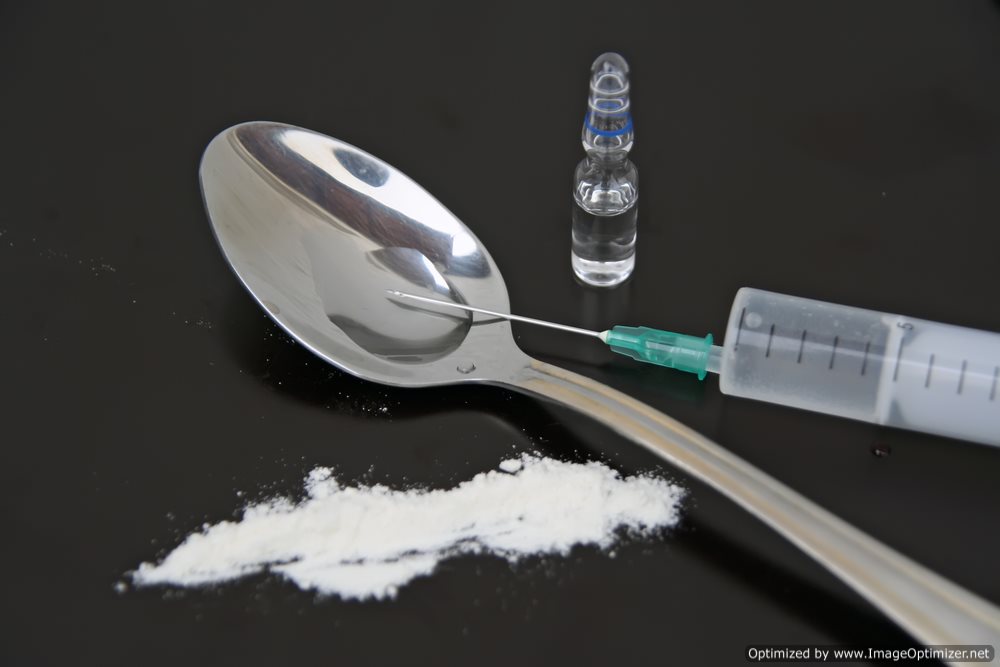
Heroin is a byproduct of opium; upon the extraction of morphine – which is inherent to the naturally-occurring Poppy Plant – this substance can be ingested in a variety of methods. Despite the effects of Heroin, which have been classified as a sedating and numbing, Heroin is considered to be one of the most addictive drugs in circulation.
How is Heroin Administered?
Heroine can be smoked or ingested through the nasal cavity; however, a prominent form of Heroin usage involves its injection through the use of intravenous needles – this method of usage has accounted for a multitude of contracted diseases and infections
What are the Dangers of Heroin?
The dangers of Heroin are vast; they can range from psychological devastation to physical damage. Consistent Heroin usage results in an advanced tolerance to the drug on the part of the user, requiring the user gradually increase the dosage to achieve his/her desired results – the has accounted for a multitude of Heroin-related death as a resulting from an overdose of the drug.
The Possession of Heroin
A charge expressing the possession of Heroin is defined as the unlawful, illicit, and prohibited ownership of Heroin; however, the nature within which the suspect gained access to the Heroin may also be associated with the investigation. Criminal charges expressing the illegal possession of Heroin will vary in nature. The specifics associated with the charge will involve the classification of Heroin discovered on the person, the location within which the apprehension took place, the analysis of any or all criminal history belonging to the individual suspect, as well the implicit, intended usage of the Heroin discovered on the individual suspect.
The Trafficking of Heroin
Drug Trafficking is defined as the illegal sale, production, transport, movement, and distribution of illegal drugs and controlled-substances attained through unlawful means. The notion of trafficking within the scope of legality is not specific to activity involving drugs; human trafficking – the illegal and bartering and transport of human beings – is considered to be one of the most egregious violations of human rights.
Drug Trafficking supersedes the notion of Drug Possession strictly in the sheer volume of the quantity of drugs discovered in the possession of a Drug Trafficking ring or operation; however, applicable legality and classification varies on a state-by-state and nation-by-nation basis.
International Drug Trafficking takes place as a result of the innate accessibility to certain items – chemical and natural – used in the production and manufacturing of specific drugs. For example, the Coca bean, which is instrumental in the production of Cocaine, is indigenous to South America; as a result, Drug Trafficking operations located in South America most-commonly focus on Cocaine