What you must know about Crack
📅 2026 Update: Changes in Drug Policy and Crack Laws
Since the original article was written, several significant changes have occurred in U.S. drug laws and policies. Key updates involve marijuana's legal status, particularly regarding its medical use and potential decriminalization. The earlier article continues further down the page, providing a historical context for these developments.
🌿 Current Marijuana Legislation
As of January 2026, marijuana is legal for medical use in 40 states and for recreational use in 24 states. This reflects a growing acceptance of marijuana as a legitimate substance, both for recreational and medical purposes.
- 🌱 Rescheduling Marijuana: On April 23, 2026, the Department of Justice and the Drug Enforcement Administration announced plans to reschedule FDA-approved marijuana products to Schedule III. This change recognizes the drug's medical use and reduces its perceived potential for abuse.
🔍 Federal Decriminalization Efforts
Recent legislative efforts aim to federally decriminalize marijuana. The Cannabis Administration and Opportunity Act was reintroduced in the Senate on July 16, 2026. This act proposes removing marijuana from the Controlled Substances Act, which could significantly alter its legal status nationwide.
- 📅 Public Support: A poll conducted in 2025 showed that 68% of Americans support making marijuana legal. This reflects a shift in public opinion that may influence future legislation.
🚫 Overdose Prevention Centers
In response to the ongoing opioid crisis, several states have opened overdose prevention centers. Rhode Island launched its first authorized center in December 2024, and Vermont piloted its program in June 2024.
- 🏥 Impact on Drug Use: These centers aim to reduce overdose deaths by providing safe spaces for drug users to consume substances under supervision.
⚖️ Ongoing Challenges
While there have been advancements in marijuana legalization, challenges remain. The rescheduling of marijuana to Schedule III does not automatically release individuals incarcerated for related offenses.
- 🔒 Legal Barriers: Individuals with prior marijuana arrests may still face barriers in housing and employment, highlighting the need for comprehensive reforms.
📌 Key Takeaways
- 🌿 Marijuana is legal in 40 states for medical use and 24 states for recreational use.
- 🔍 Federal decriminalization efforts are underway with the Cannabis Administration and Opportunity Act.
- 🚫 Overdose prevention centers are being established in various states to combat drug-related deaths.
- ⚖️ Rescheduling marijuana does not address issues related to past arrests or legal barriers.
💡 Tips for Understanding Crack and Related Laws
Review the details of your own situation with your attorney to understand how these changes affect you.
📜 Know the Current Laws
Stay informed about the latest marijuana laws in your state. Laws can change quickly, and knowing your state's regulations can help you avoid legal issues.
🏥 Explore Treatment Options
If you or someone you know struggles with addiction, look into local treatment programs. Many states offer resources for addiction treatment, including counseling and rehabilitation services.
🔍 Understand Rescheduling Impacts
Be aware that the rescheduling of marijuana may affect legal penalties for marijuana-related offenses. Understanding how these changes impact your legal standing is essential.
📣 Engage in Public Discourse
Consider participating in public comment periods concerning drug policy changes. In 2024, over two-thirds of public comments supported marijuana decriminalization, showing that public engagement matters.
📚 Research Youth Protection Policies
As marijuana laws change, youth protection remains a concern. Organizations like the Partnership to End Addiction provide resources to ensure young people are safeguarded in this evolving landscape.
🏆 Free Options Ranked by User Reviews (2026)
No national paid service met the review threshold for this topic, so this section highlights free government and nonprofit resources available.
🥇 1. Drug Policy Alliance
The Drug Policy Alliance works to advance drug policies that are grounded in public health and safety. They focus on reducing the harms associated with drug use and advocating for comprehensive reforms.
🥈 2. Partnership to End Addiction
This organization provides valuable resources aimed at preventing addiction and supporting those affected by substance use issues. They focus on youth protection in the context of changing marijuana laws.
🥉 3. Overdose Prevention Centers
Various states have established overdose prevention centers, which provide safe environments for drug use. These centers offer critical services to reduce the risk of overdose and connect individuals to treatment options.
4️⃣ State Health Departments
State health departments often provide information on addiction services and support programs. They can assist individuals in accessing resources tailored to their needs.
5️⃣ Local Support Groups
Many communities have support groups for those struggling with drug addiction. These groups can provide peer support and resources for recovery.
🔎 What to Check Before Paying for Help
- 🧐 Verify the credentials of any service provider.
- 📜 Look for reviews and testimonials from previous users.
- 💰 Ensure transparency in pricing and services offered.
- 📞 Check if they provide free or sliding-scale options.
❓ Frequently Asked Questions
🤔 What are the penalties for crack possession?
Possession of crack can lead to severe penalties, including imprisonment and fines. The exact penalties depend on the amount of crack and previous offenses.
🏛️ How does marijuana rescheduling affect penalties?
Marijuana's rescheduling to Schedule III may reduce penalties for related offenses, but it does not automatically expunge past convictions.
📈 Are there any recent changes to drug laws?
Yes, significant changes have occurred, particularly regarding marijuana legalization and the establishment of overdose prevention centers in multiple states.
🚨 What are overdose prevention centers?
Overdose prevention centers are facilities where individuals can use drugs safely under supervision. They aim to reduce overdose deaths and connect users to treatment resources.
📅 How can I stay updated on drug policy changes?
Following local and national news, subscribing to updates from advocacy organizations, and participating in public forums can help you stay informed about drug policy changes.
🌐 Where can I find local addiction treatment resources?
Local health departments and nonprofit organizations often provide information about addiction treatment resources available in your area.
⚖️ Recent Cases Related to Drug Laws
Recent court rulings have focused on drug possession laws and the implications of marijuana rescheduling. These rulings illustrate the ongoing evolution of drug policy in the U.S.
- Ohio court upholds conviction of Errol Baker for heroin traffickingOhio Court of Appeals · October 13, 2026
- Texas court upholds conviction for manufacturing methamphetamineTexas Court of Appeals, 3rd District (Austin) · October 8, 2026
- Court upholds drug trafficking convictions in Florida caseCourt of Appeals for the Eleventh Circuit · October 8, 2026
- Florida court affirms conviction in drug deal murder caseDistrict Court of Appeal of Florida · February 12, 2020
For more recent rulings, browse more rulings on the news page.
End of October 2026 Update
What is Crack?
Crack cocaine is the freebase form of cocaine. Crack, as oppose to the powderized form of cocaine, can be smoked. In a pure form, a crack rock will appear as an off-white nugget with jagged edges and in possession of a density similar to candle wax. Purer forms of crack rocks will resemble a hard brittle plastic in a crystal form—the crack snaps when it is broken.
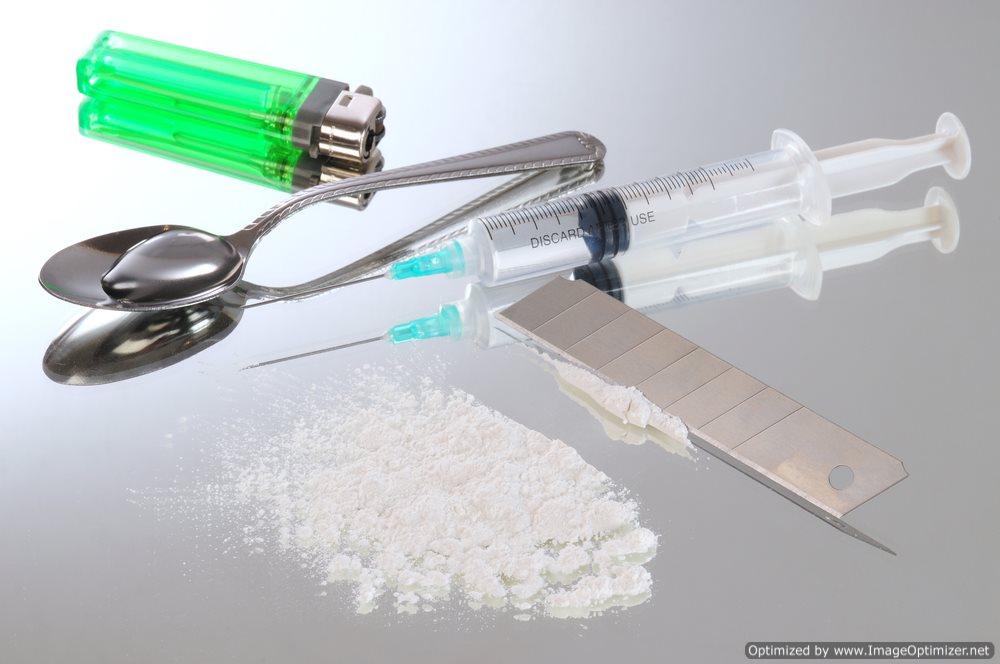
Psychological Effects of Crack Cocaine:
Crack acts as an anesthetic; when smoked, the drug numbs the tongue and mouth. In addition to these physical effects, crack possesses a number of psychological effects by altering the brain chemistry of its user. When smoked, crack cocaine manipulates the neurological system to create a sense of euphoria, supreme confidence, a drastic loss of appetite, insomnia, increased alertness, a heightened sense of energy and most drastically a deadly craving for more cocaine.
The initial effect of crack cocaine is to release an obscene amount of dopamine—a brain chemical that induces feelings of euphoria-- into the user’s system. The typical high off crack cocaine will last from 5-10 minutes; after this time the dopamine levels in the brain plummet, leaving the user horribly depressed and in need of more.
Once the high wears off, the typical response among users is to have another hit; however, the levels of dopamine in a human’s brain take an exceedingly long time to replenish causing each hit taken in succession to lead to a less intense high. The use of cocaine in a binge fashion, during which the drug is taken repeatedly and at an increasingly high dose, will lead to a state of increasing instability, paranoia and restlessness. The administration of the drug in this setting may result in a full-blown paranoid psychosis, in which the user loses touch with his or her self and reality in general.
As a result of the effects of the dopamine levels in the brain, crack cocaine is widely thought to be the most addictive form of cocaine and one of the most addictive forms of drugs in the world.
Legal Status of Crack in the United States:
Cocaine is regarded, according to the United Nations, as a Schedule 1 drug. This classification labels all forms of cocaine, including crack, as an illegal drug for non-state-sanctioned production, manufacturing, export, import, distribution, trade, use and possession. In the United States, cocaine is regarded as a Schedule II drug, based on the Controlled Substances Act.
This classification labels the drug as having a high abuse potential but also in possession of a medicinal purpose. Under the DEA listing of schedule 1 substances, crack is not considered separate from cocaine, because they are in essence, the same drug compound in different forms. That being said, the drugs are attached with disproportionate sentences as mandated by the Federal Sentencing Guidelines for crack cocaine versus powder cocaine. For example, the 5-year minimum sentence for trafficking 500g of powdered cocaine, will be imposed with a 100:1 ratio for the mere possession of 5 grams of crack cocaine.