Freebase
📅 2026 Update: Significant Changes in US Drug Law and Policy
Since the original article was published, there have been several important changes in U.S. drug law and policy. The landscape of drug use, treatment, and legislation continues to evolve, impacting how substances are regulated and how individuals seek help. The earlier article continues further down the page.
🌐 Federal Marijuana Rescheduling
In April 2026, the federal government reclassified state-licensed medical marijuana from Schedule I to Schedule III. This change acknowledges the medical use of marijuana but maintains its illegal status for recreational use. It reflects a shift in understanding the potential benefits of medical marijuana while still addressing concerns regarding recreational usage.
📉 Decline in Drug Overdose Deaths
The U.S. saw a 26.2% drop in the age-adjusted drug overdose death rate from 2024 to 2026. This rate fell from 31.3 to 23.1 deaths per 100,000 people. This decline is a positive indicator in addressing the overdose crisis and highlights ongoing efforts to reduce drug-related fatalities.
💻 Telemedicine Flexibilities Extended
The U.S. Department of Health and Human Services (HHS) and the Drug Enforcement Administration (DEA) have extended flexibilities for telemedicine prescriptions through December 31, 2026. This allows patients to obtain prescriptions for controlled medications without needing prior in-person visits, enhancing accessibility, especially for those in rural or underserved areas.
🏥 Changes in Addiction Treatment Costs
Costs for addiction treatment programs can vary widely. Outpatient services typically range from $1,000 to $10,000 per month, while inpatient programs can cost between $6,000 and $20,000 for a 30-day stay. This range reflects the financial burden many face when seeking help for substance use disorders.
📊 Substance Use Disorder Trends
The overall prevalence of substance use disorders in the U.S. has decreased from 16.7% in 2021 to 15.3% in 2025. This trend suggests that efforts to address substance use issues are having a positive impact on public health.
📌 Key Updates in Drug Law and Policy
- 🌿 Federal marijuana reclassified from Schedule I to Schedule III.
- 📉 Drug overdose deaths decreased by 26.2%.
- 💻 Telemedicine prescription flexibilities extended to December 2026.
- 💰 Addiction treatment costs vary widely and can be a significant financial strain.
- 📊 Substance use disorder prevalence declined from 16.7% to 15.3%.
💡 Tips for Understanding Drug Laws and Treatment Options
Review your specific situation with your attorney to ensure you fully understand your legal rights and options.
✅ Understand Telemedicine Regulations
Telemedicine allows for the remote prescription of medications under certain conditions. Patients must be in a state where the prescribing practitioner is licensed and have an established relationship with that practitioner.
🗓️ Check for Local Treatment Options
Many local health departments provide free or low-cost addiction treatment services. These services can be a valuable resource for individuals seeking help without the burden of high costs.
🚨 Be Aware of Application Deadlines
For addiction treatment programs, some may have specific application deadlines, especially for inpatient services. It’s important to contact programs directly to understand their timelines.
📞 Use Available Helplines
The Substance Abuse and Mental Health Services Administration (SAMHSA) offers a national helpline at 1-800-662-HELP (4357). This confidential resource provides information and treatment referrals for individuals in need.
📊 Monitor Changes in Drug Laws
Drug laws and regulations are constantly changing. Staying informed about these changes can help individuals navigate their rights and responsibilities regarding drug use and treatment.
🏆 Free Options Ranked by User Reviews (2026)
In this area, no national paid service met the review threshold, so this section highlights free government and nonprofit resources available for those seeking help.
🥇 1. Substance Abuse and Mental Health Services Administration (SAMHSA)
SAMHSA provides a national helpline for confidential support and treatment referrals. The helpline is available 24/7 and helps individuals find local resources for addiction treatment, making it a critical tool for those in need.
🥈 2. Local Health Departments
Many state and local health departments offer free or low-cost addiction treatment services. These services can include counseling, support groups, and access to healthcare professionals trained in substance use disorders.
🥉 3. National Alliance on Mental Illness (NAMI)
NAMI provides resources and support for individuals affected by mental health issues and substance use disorders. They offer educational materials, support groups, and advocacy for better treatment options.
4️⃣ Community Support Groups
Various community support groups, including Alcoholics Anonymous (AA) and Narcotics Anonymous (NA), provide peer support for individuals recovering from substance use disorders. These groups can help reduce feelings of isolation and provide a supportive network.
5️⃣ State-Specific Resources
Many states have specific resources designed to address local substance use issues. These resources may vary but often include hotlines, treatment facilities, and community outreach programs.
🔎 What to Check Before Paying for Help
- 🔍 Verify the credentials of the provider.
- 📞 Confirm the availability of free services in your area.
- 💬 Read reviews and testimonials from previous clients.
- ❓ Ask about the treatment options offered.
- 💡 Ensure they accept your insurance, if applicable.
❓ Frequently Asked Questions
❓ What are the new telemedicine regulations for prescriptions?
Telemedicine flexibilities allow DEA-registered practitioners to prescribe controlled medications without prior in-person evaluations, valid through December 31, 2026.
📉 How have drug overdose death rates changed recently?
From 2024 to 2026, drug overdose death rates in the U.S. decreased by 26.2%, falling from 31.3 to 23.1 deaths per 100,000 population.
🌿 Is medical marijuana still considered illegal federally?
While medical marijuana has been reclassified to Schedule III, it remains illegal for recreational use under federal law.
🏥 What do addiction treatment costs typically range?
Outpatient services for addiction treatment can cost between $1,000 and $10,000 per month, while inpatient programs can range from $6,000 to $20,000 for a 30-day stay.
📊 How has the prevalence of substance use disorders changed?
The overall prevalence of substance use disorders in the U.S. decreased from 16.7% in 2021 to 15.3% in 2025, indicating progress in addressing these public health issues.
🚨 Where can I find help for addiction treatment?
The Substance Abuse and Mental Health Services Administration (SAMHSA) offers a national helpline at 1-800-662-HELP, providing confidential treatment referrals and information.
⚖️ Recent Court Cases Related to Drug Law
Recent court rulings have addressed various aspects of drug law, including regulations around telemedicine prescriptions and the classification of substances. These rulings impact how drugs are managed and treated under the law.
- New York court reduces sentence for woman in drug caseAppellate Division of the Supreme Court of the State of New York · May 7, 2026
- New York court affirms conviction in drug sale caseAppellate Division of the Supreme Court of the State of New York · May 1, 2026
- Ohio Court upholds prison sentence in drug-related caseOhio Court of Appeals · June 1, 2026
- Ohio court affirms conviction in drug possession caseOhio Court of Appeals · June 3, 2026
For more information, you can browse more rulings on the news page.
End of October 2026 Update
What is Freebase Cocaine?
Freebase Cocaine refers to the base form of cocaine (and not the salt form). Freebase cocaine is insoluble in water, whereas the hydrochloride salt is water soluble. Freebase cocaine is a different method or ingestion technique for the illegal drug--it is smoked rather than snorted or ingested
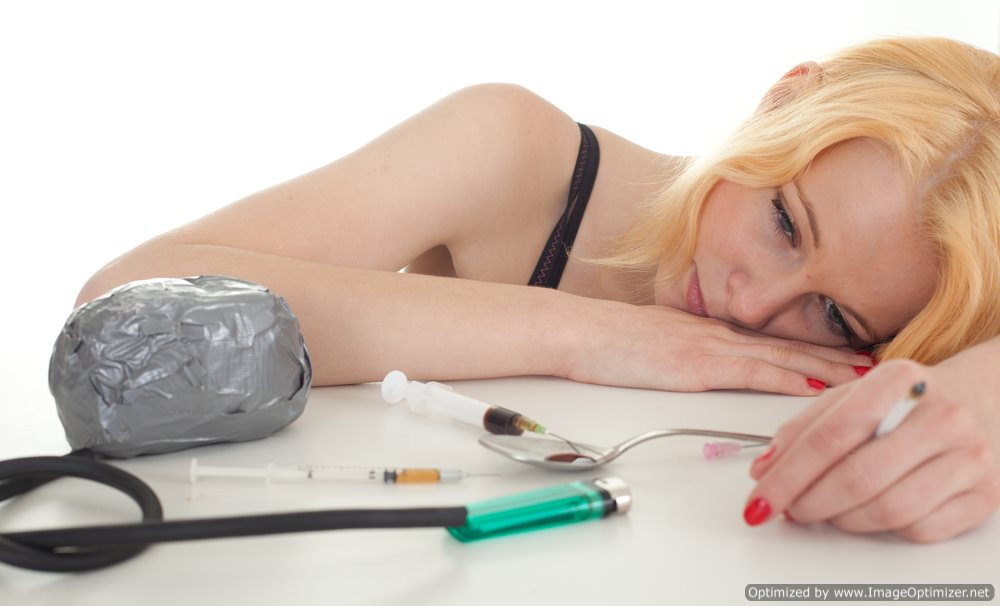
Smoking Freebase Cocaine possesses additional side effects; when smoked, the drug releases methylecogonidine into the user’s system due to the pryolysis of the substance—a common side effect which insulating or injecting powderized cocaine does not manifest.
Research suggests that smoking freebase cocaine can be more cardiotxic (worse for the heart) than other routes of ingestion. This increased danger is due to the manifestation of methylecgonidine and its subsequent damaging effects on the lung and liver tissues.
Cocaine, in a pure form, is prepared by neutralizing its compounding salt with an alkaline solution, which aids in the precipitation to a non-polar basic cocaine form. The substance is further refined through an aqueous-solvent Liquid extraction.
What is the Punishment for a Freebase Offense?
The offenses attributed to freebasing Cocaine can include any of the following punitive measures: probation, random drug screening, fines, incarceration, mandatory rehabilitation, mandatory drug treatment programs, and the possible loss of a driver's license--will be initiated if the individual was driving while high.
Arrest Process for Drug Cultivation
Individuals who have been arrested or served documentation in the form of an arrest warrant displaying a Drug Cultivation charge, must cooperate with their arresting officers. Individuals arrested for cocaine possession or use should consult with legal professionals to expedite a plea or the trial process. Resisting – or fleeing from – a cocaine arrest can result in additional penalties.
Reporting Suspected Drug Cultivation
If an individual wishes to present an anonymous tip or report with regard to an offense involving illegal drugs or substances, they have to opportunity to contact the Drug Enforcement Agency (DEA) through their telephone number: (202) 307-1000