The Hidden Dangers of Smoking Marijuana
📅 2026 Update: Changes in Marijuana Laws and Addiction Treatment
Since the original article was published, significant changes have occurred in the landscape of marijuana laws and drug treatment options. As of October 2026, the federal government has updated its classification of medical marijuana and expanded access to addiction treatment via telemedicine. The information in the earlier article is still relevant and continues further down the page.
🌱 Federal Marijuana Rescheduling
In April 2026, the federal government reclassified state-licensed medical marijuana from Schedule I to Schedule III. This change recognizes the medical use of marijuana while keeping its recreational use illegal at the federal level. This shift may impact how marijuana is viewed in medical contexts and could influence future legislation.
📞 Telemedicine Flexibilities Extended
The U.S. Department of Health and Human Services and the Drug Enforcement Administration have extended telemedicine flexibilities for prescribing controlled medications until December 31, 2026. Patients can now receive prescriptions without needing to visit a doctor in person.
This change has improved access to necessary medications for many individuals, particularly those in rural areas.
📉 Decline in Drug Overdose Deaths
In 2024, the United States saw a 26.2% decrease in the age-adjusted drug overdose death rate, going from 31.3 to 23.1 per 100,000 people. This decline suggests progress in addressing drug-related issues, although challenges remain, especially concerning specific substances like stimulants.
💰 Cost Variations in Addiction Treatment
The costs of addiction treatment programs vary widely. Outpatient services can average between $1,000 and $10,000 per month, while inpatient care ranges from $6,000 to $20,000 for a 30-day stay. Understanding these costs is important for those seeking help.
📌 Key Points to Remember
- Medical marijuana is now classified as Schedule III, but recreational use remains illegal.
- Telemedicine for prescriptions is available until December 31, 2026.
- Drug overdose deaths have significantly declined, reflecting ongoing efforts to combat the crisis.
- Addiction treatment costs vary, so it's crucial to research options.
💡 Tips for Understanding Marijuana and Addiction
Review your specific situation with an attorney to ensure you understand your rights and obligations.
📝 Know the Legal Status of Marijuana
Understanding your state's marijuana laws is essential. As of May 2026, 24 states have legalized recreational marijuana, while around 40 allow medical use. Check local regulations to avoid legal issues.
🩺 Utilize Telemedicine Options
Take advantage of telemedicine for addiction treatment. Many providers offer virtual consultations, which can save time and make it easier to access necessary care, especially for those with mobility challenges.
📊 Familiarize Yourself with Costs
Be aware of the costs associated with addiction treatment programs. Outpatient services can range from $1,000 to $10,000 monthly, while inpatient programs can be significantly more. Knowing these numbers can help you plan financially.
📅 Monitor Prescription Changes
Keep an eye on changes in prescription laws. The extension of telemedicine regulations means you can receive prescriptions remotely, but ensure you are compliant with state laws regarding medical marijuana.
📞 Seek Help When Needed
If you or someone you know is struggling with substance use, do not hesitate to seek help. Resources are available, including government and nonprofit organizations that can offer support and treatment options.
🏆 Free Options Ranked by User Reviews (2026)
In this area, no national paid services met the review threshold, so we focus on free government and nonprofit resources available for those struggling with addiction and substance use disorders.
🥇 1. Substance Abuse and Mental Health Services Administration (SAMHSA)
SAMHSA offers a national helpline at 1-800-662-HELP (4357). This resource provides confidential information and treatment referrals for individuals facing substance use issues. SAMHSA plays a crucial role in connecting people with the support they need.
🥈 2. Local Health Departments
Many local and state health departments provide free or low-cost addiction treatment services. These departments can assist individuals seeking help in their communities, making treatment more accessible for those in need.
🥉 3. National Alliance on Mental Illness (NAMI)
NAMI offers resources and support for those affected by substance use disorders. They provide information about treatment options and advocate for policies that improve care for individuals seeking help.
4️⃣ Community Support Groups
Various community support groups offer a space for individuals to share experiences and gain support. These groups can be a valuable resource for anyone struggling with addiction or substance use issues, providing a sense of connection and understanding.
5️⃣ Nonprofit Treatment Programs
Several nonprofit organizations provide treatment programs for individuals dealing with addiction. These programs often focus on making treatment accessible regardless of financial status, ensuring that help is available to those who need it most.
🔎 What to Check Before Paying for Help
- 🏢 Verify the credentials of the organization or provider.
- 📋 Look for reviews and ratings from previous clients.
- 💰 Understand the costs involved and any hidden fees.
- 📞 Confirm the availability of services in your area.
❓ Frequently Asked Questions
❓ What is the current legal status of recreational marijuana in the U.S.?
As of May 2026, recreational marijuana is legal in 24 states and medical marijuana is permitted in approximately 40 states. However, it remains illegal at the federal level.
🛑 How has the opioid crisis changed recently?
The misuse of prescription opioids has declined from 3.0% in 2021 to 2.4% in 2025. This indicates ongoing efforts to address opioid misuse and its associated risks.
💻 How can telemedicine help with addiction treatment?
Telemedicine allows patients to receive prescriptions for controlled medications without needing in-person visits. This flexibility can improve access to addiction treatment, especially for those with mobility challenges.
📉 Are overdose death rates still rising?
While the overall drug overdose death rate has declined by 26.2%, deaths involving stimulants without opioids have increased. This shift highlights ongoing challenges in managing drug-related issues.
🏥 What are the costs of addiction treatment programs?
Costs for addiction treatment can vary widely. Outpatient programs typically range from $1,000 to $10,000 per month, while inpatient programs can cost between $6,000 and $20,000 for 30 days.
📅 How can someone access government help for addiction?
Individuals can reach out to resources like SAMHSA for confidential information and treatment referrals. Local health departments also offer low-cost services to those seeking help.
⚖️ Recent Cases Related to Marijuana and Addiction
Recent court rulings concerning marijuana and addiction reflect ongoing legal debates in this area. These rulings can influence how laws are applied and interpreted, affecting individuals dealing with substance use issues.
- Connecticut court upholds search evidence in drug caseConnecticut Appellate Court · August 11, 2026
- Ohio Court upholds juvenile's delinquency ruling in drug caseOhio Court of Appeals · August 11, 2026
- Georgia court dismisses appeal in cocaine trafficking caseCourt of Appeals of Georgia · August 12, 2026
- Ohio Court upholds drug convictions and sentences for PenixOhio Court of Appeals · August 6, 2026
For more information, browse recent rulings on the news page.
End of October 2026 Update
The Hidden Dangers of Smoking Marijuana
Although the intake of Marijuana can be undertaken through a variety of methods, which include the rendering of Tetrahydrocannabinol (THC) found in Cannabis, which is considered to be the potent chemical within the Cannabis plant responsible for the intoxication effect resulting from Marijuana usage, arguably the most common method enacted with regard to the intake of Marijuana takes place through Smoking Marijuana.
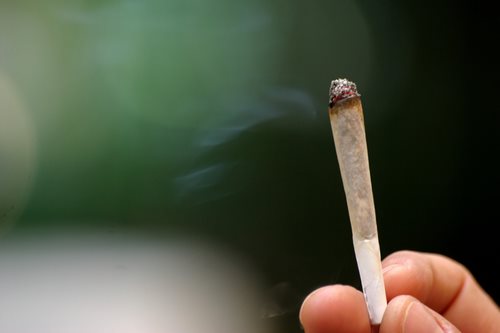
Due to the fact that THC is absorbed into the blood stream through its introduction to the respiratory system, the result of Smoking Marijuana typically adjusts, alters, or modifies physiological behavior and activity:
Smoking Marijuana elicits chemical change within the neurological system - comprised of the human brain and central nervous system, and as a result, Smoking Marijuana produces a wide range of effects in the user, including lightheadedness, dizziness, confusion, paranoia, lethargy, increased hunger, and hallucination
Smoking Marijuana is widely considered to be a ‘Gateway Drug’ due to the fact that it may be regarded as a less severe or intimidating narcotic; however, studies show that Smoking Marijuana oftentimes results in not only the continuation of future drug use, but also the development of additional habits of the illegal usage of drugs
Smoking Marijuana classified as medicinal Marijuana involves the intake of a specific strain of Cannabis deemed to be valuable and effective in the treatment of a number of medical illnesses, which includes certain types of cancer and glaucoma; in the event that you are smoking Marijuana illicitly or fraudulently prescribed or unlawfully attained, you are in violation of the law
When Smoking Marijuana Becomes an Addiction
Although a widespread debate has formed around the degree of implicit risks and dangers of Smoking Marijuana, unauthorized ingestion of any nature of illegal drug or controlled substance is considered to be unlawful and punishable; however, while many people may not be aware of the dangers latent within habitually Smoking Marijuana, the following behaviors and events may assist those who habitually partake in Smoking Marijuana in avoiding a potential drug abuse situation:
If your habit of Smoking Marijuana gets in the way of your daily responsibilities and interests, you may be at risk for developing an addiction
If you participate in dangerous, reckless, and generally risky behaviors subsequent to smoking Marijuana, you may be at and increased risk of addiction
If your habit of Smoking Marijuana has affecting your personal, familial, or romantic relationships, you may be at risk for developing an addiction to Marijuana
If your habit of Smoking Marijuana has resulted in your arrest for criminal activity, you may be at an increased risk for development an addiction to Marijuana
Reporting the Misuse of Marijuana
Regardless of the degree of usage or quantity of Marijuana - or any other type of illegal substance – illegal Marijuana use, possession, and sales are a very serious offense, which risk damage, harm, and destruction onto individual wellbeing, as well as the community at large. Please contact the Drug Enforcement Agency (DEA) their telephone number (202) 307-1000 or your local ‘Crime-Stoppers’ organization if you have any information.