Tamiflu
📅 2026 Update: Changes in Telemedicine and Drug Regulations
Since the original article on Tamiflu was written, there have been significant updates in U.S. drug laws and telemedicine practices. These changes focus mainly on how controlled substances can be prescribed and the ongoing efforts to improve mental health and addiction treatment. The earlier article continues further down the page for detailed information about Tamiflu itself.
🩺 Telemedicine Flexibilities for Controlled Substances
The U.S. Department of Health and Human Services (HHS) and the Drug Enforcement Administration (DEA) have extended telemedicine flexibilities for prescribing controlled substances through December 31, 2026. This allows DEA-registered practitioners to prescribe Schedule II-V medications via telehealth without needing an in-person visit.
This change aims to make it easier for patients to access necessary medications.
- 📜 Final Rule on Buprenorphine: On January 17, 2025, a final rule made telemedicine flexibilities for prescribing buprenorphine permanent. This medication is crucial for treating opioid use disorder, ensuring patients can access treatment through virtual consultations.
📈 Mental Health Parity and Addiction Equity Act
New final rules were released on September 9, 2024. These rules enhance parity between mental health, substance use disorder benefits, and medical benefits. They became effective on November 22, 2024, promoting equal treatment for mental health and addiction services under health plans.
- 🔑 Regulatory Changes: Health plans cannot impose stricter rules on mental health and substance use disorder benefits than they do on medical benefits. This is a vital step in improving access to care for individuals facing these challenges.
💰 Costs of Telehealth Services
The cost for telehealth consultations for controlled substances varies among providers. Some platforms, like Teladoc Health, do not prescribe controlled substances due to regulations.
- 💵 Buprenorphine Treatment Costs: Costs for buprenorphine treatment through telemedicine depend on the provider’s pricing model, which may include subscription-based or per consultation fees. It's essential to check with specific providers for current costs.
📅 Key Deadlines
The telemedicine flexibilities for prescribing controlled substances will remain in effect until December 31, 2026. There are no specific deadlines for starting buprenorphine treatment via telemedicine, allowing patients to seek care when needed.
📌 Summary of Key Points
- 🏥 Telemedicine flexibilities for controlled substances extended until December 31, 2026.
- 🔄 Buprenorphine telemedicine prescribing is now permanent.
- ⚖️ New rules strengthen parity for mental health and addiction benefits.
- 💰 Costs for telehealth services vary; check with providers for details.
💡 Tips for Navigating Telehealth and Controlled Substances
Review the details of your situation with your attorney to ensure you understand the implications of these changes.
🧑⚕️ Understand Telehealth Eligibility
To receive telehealth prescriptions for controlled substances, you must have a video consultation with a DEA-registered practitioner. Eligibility depends on the practitioner's assessment of your medical history and current health condition.
📅 Keep Track of Deadlines
Remember that the telemedicine flexibilities for prescribing controlled substances will be in effect until December 31, 2026. This allows you time to explore options for care without rushing.
💵 Research Costs
Costs for telehealth consultations vary by provider. Some may charge per visit, while others could operate on a subscription basis. Investigate different providers to find the best option for your financial situation.
📝 Prepare for Consultations
When preparing for a telehealth consultation, gather your medical history and any current medications. This information will help the practitioner assess your situation more accurately.
📞 Seek Support
If you're struggling with substance use or mental health issues, consider reaching out to resources like the Substance Abuse and Mental Health Services Administration (SAMHSA) helpline at 1-800-662-HELP (4357) for guidance and support.
🏆 Telehealth Services Ranked by User Reviews (2026)
This section highlights telehealth services related to controlled substances, mental health, and addiction therapy. These services fit the article's topic by offering convenient access to medications and treatment options. Ratings are based on Trustpilot data reviewed in October 2026, and scores may change over time.
Remember, star ratings are only one indicator of service quality, as dissatisfied customers tend to leave more reviews.
🥇 1. Direct Meds
Direct Meds has been rated 4.6. It is known for providing GLP-1 telehealth services, particularly in compounded semaglutide and tirzepatide. Reviewers highlight the quality verification process in place.
However, there are caveats, such as limited insurance acceptance and potential medication side effects.
🥈 2. Hims & Hers Health
Hims & Hers Health holds a Trustpilot score of 3.0. This service is recognized for its online healthcare services, offering prescription medications and personal care products. While it provides a wide range of services, customers have reported issues with customer service and questions regarding product effectiveness.
🥉 3. LifeStance Health
LifeStance Health has a score of 4.0. It is known for its mental health services, including therapy and psychiatry, primarily through telehealth platforms. However, some patients have experienced inconsistent service quality and challenges with appointment availability.
4️⃣ Talkiatry
Talkiatry has a lower Trustpilot score of 2.4. It specializes in online psychiatry services and medication management, with flexible scheduling options. Despite its focus on mental health, it faces challenges such as limited insurance coverage and variable clinician quality.
🆓 Free Government Resources
The U.S. Department of Labor provides resources related to the Mental Health Parity and Addiction Equity Act (MHPAEA). Patients can contact the Employee Benefits Security Administration for assistance.
The Substance Abuse and Mental Health Services Administration (SAMHSA) also offers a national helpline for information and treatment referrals.
🔎 What to Compare When Choosing a Service
- 🔍 Cost of services and consultations.
- 🏥 Availability of licensed practitioners.
- 📅 Flexibility in appointment scheduling.
- ⚖️ Insurance acceptance and coverage options.
- 📞 Quality of customer support and service.
❓ Frequently Asked Questions
🤔 What are the requirements for telehealth prescriptions?
To get a telehealth prescription for controlled substances, patients must have a video consultation with a DEA-registered practitioner. The practitioner evaluates the patient's medical history and current condition.
💊 How does the cost of buprenorphine treatment vary?
Costs for buprenorphine treatment through telemedicine can differ based on the provider. Some may offer subscription models, while others charge per visit, so it's essential to check individual provider pricing.
📅 Is there a deadline for buprenorphine treatment via telemedicine?
There are no specific deadlines for starting buprenorphine treatment via telemedicine. Patients can seek treatment whenever they feel ready.
🏥 What should I prepare for a telehealth consultation?
Before a telehealth consultation, gather your medical history, current medications, and any relevant health information. This will help the practitioner assess your needs effectively.
🔑 What resources are available for addiction support?
The Substance Abuse and Mental Health Services Administration (SAMHSA) offers a national helpline at 1-800-662-HELP (4357) for individuals seeking information and referrals for substance use disorders.
⚖️ How does the Mental Health Parity Act affect my coverage?
The Mental Health Parity and Addiction Equity Act requires that mental health and substance use disorder benefits be treated equally to medical and surgical benefits. This means health plans cannot impose stricter limitations on mental health services than they do for other medical care.
⚖️ Recent Cases Related to Drug and Telehealth Regulations
Recent court rulings have addressed various aspects of drug law and telehealth practices, influencing how controlled substances are prescribed and regulated. These rulings are significant for understanding the current legal landscape regarding drug access and patient care.
- New York court affirms conviction in drug sale caseAppellate Division of the Supreme Court of the State of New York · May 1, 2026
- Ohio Court upholds prison sentence in drug-related caseOhio Court of Appeals · June 1, 2026
- Ohio court affirms conviction in drug possession caseOhio Court of Appeals · June 3, 2026
- Ohio Court affirms drug convictions in State v. SherburneOhio Court of Appeals · June 5, 2026
For more recent rulings, feel free to browse more rulings on the news page.
End of October 2026 Update
What is Tamiflu?
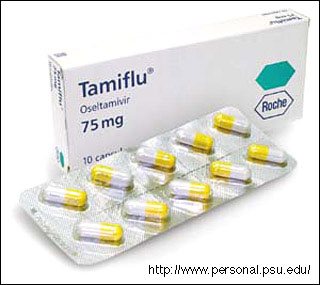
Tamiflu, or Oseltamivir is an anti-viral drug developed and manufactured by Roche for the treatment of influenza. The drug works by inhibiting an enzyme found in host cells. That inhibition acts to prevent the release of new particles of the influenza virus from being released by the infected host cell. The drug is approved for use by individuals one year old and over.
Side effects
Common side effects of Tamiflu include nausea, diarrhea, abdominal pain, and headache. The rarer and more severe side effects associated with the drug include hepatitis, rash anaphylaxis and Stevens-Johnson syndrome.
One disastrous side effect associated with Tamiflu are neuropsychiatric disorders associated with hallucinations and attempts to hurt oneself and cause harm to others. In 2007 Japan's health ministry issued a warning about use by individuals between the ages of 10 and 19 after a number of incidents involving teenagers jumping from tall buildings after taking the drug. A study done by the health ministry later confirmed that teenagers who take Tamiflu are 54% more likely to exhibit abnormal behavior; including hallucinations, than those who did not take the drug.
Government Regulations
Between 2005 and 2006 the FDA received 103 reports, mostly Japanese, that indicated a higher risk of hallucinations than previously expected. Due to this the FDA required a label change on Tamiflu packets indicating the possible side effects could include hallucinations, delirium and other unusual behaviors. In its defense Roche has commented that of the massive amount of people who get influenza every year it is more likely that the flu itself is responsible for the hallucinations, not Tamiflu. Roche has recently lowered the recommended dosage of Tamiflu in half, from 12mg/ml to 6mg/ml, due in part to FDA reports.
Litigation
If you or someone you know has taken Tamiflu and displayed adverse reactions including hallucinations and other abnormal behaviors you should stop the drug immediately. If you have been injured do to actions taken while on Tamiflu or you have suffered severe side effects including Stevens Johnson disease then you should consult an attorney about possible legal action against Roche. In an injury action it could be determined that Roche should have known that a high dose of Tamiflu might lead to adverse reactions. The recent decrease in dosage is circumstantial evidence of this.