Aredia
📅 2026 Update: Changes in U.S. Drug Regulations and Telehealth
Since the original article was written, there have been significant updates regarding U.S. drug regulations and telehealth practices. These changes impact how controlled substances are prescribed and accessed, especially through telemedicine. Readers can find further details in the original article below this update.
🏥 Telemedicine Flexibilities for Controlled Substances
The U.S. Department of Health and Human Services (HHS) and the Drug Enforcement Administration (DEA) have extended the flexibilities for prescribing controlled substances via telemedicine through December 31, 2026. This allows registered practitioners to prescribe medications in Schedule II-V without an in-person visit, making access easier for many patients.
- 🖥️ Telehealth Consultations: Patients can now connect with practitioners virtually for prescriptions. This change helps those who may have difficulty traveling to a physical office.
💊 Buprenorphine Prescribing Rules
In January 2025, the DEA and HHS issued a final rule that made permanent the telemedicine flexibilities for prescribing buprenorphine. This medication is critical for treating opioid use disorder.
- 📅 Ongoing Access: Patients can receive treatment options through telehealth, improving access to necessary care without the need for in-person visits.
⚖️ Mental Health Parity and Addiction Equity Act
On September 9, 2024, new final rules were released under the Mental Health Parity and Addiction Equity Act. These rules aim to strengthen the equality of mental health and substance use disorder benefits compared to medical and surgical benefits.
- 📄 Effective Dates: The new rules took effect on November 22, 2024, with staggered applicability for group health coverage starting January 1, 2025, and for individual coverage starting January 1, 2026.
📞 Free Assistance Resources
Resources are available for individuals seeking help with mental health and addiction issues. The U.S. Department of Labor provides information regarding the Mental Health Parity and Addiction Equity Act.
- 📅 National Helpline: The Substance Abuse and Mental Health Services Administration (SAMHSA) offers a helpline at 1-800-662-HELP (4357) for treatment referrals and information.
📌 Key Takeaways
- 🏥 Telemedicine flexibilities for controlled substances last through December 31, 2026.
- 💊 Buprenorphine can now be prescribed via telehealth permanently.
- ⚖️ New rules enhance mental health and substance disorder benefit parity.
- 📞 Free resources are available for those needing help with substance use disorders.
💡 Tips for Navigating U.S. Drug Regulations
Reviewing your personal situation with an attorney can clarify your options regarding drug laws.
🖥️ Understand Telehealth Options
Patients should familiarize themselves with telehealth services available for prescribing controlled substances. Knowing which providers offer these services can save time and effort.
📅 Keep Track of Deadlines
Be aware that telemedicine flexibilities for controlled substances are in effect until December 31, 2026. Planning ahead can ensure timely access to necessary medications.
💻 Use Telehealth for Buprenorphine
If you are seeking buprenorphine treatment, research telehealth providers that specialize in this medication. Some platforms may have specific eligibility requirements, so reviewing your medical history is essential.
📞 Utilize Free Resources
If you need help with substance use disorders, reach out to the SAMHSA helpline. It provides free, confidential support and treatment referrals.
⚖️ Know Your Rights
Familiarize yourself with the Mental Health Parity and Addiction Equity Act. This understanding can help ensure you receive equal benefits for mental health and substance use treatment.
🏆 Services Ranked by User Reviews (2026)
This section highlights services relevant to mental health and substance use treatment. The rankings are based on Trustpilot data as of October 2026. User ratings can change over time, and they reflect varied customer experiences.
🥇 1. LifeStance Health
LifeStance Health holds a Trustpilot score of 4.0. It is known for offering mental health services, including therapy and psychiatry, as well as telehealth options. However, reviewers have noted inconsistent service quality and issues with appointment availability.
🥈 2. Talkiatry
Talkiatry has a Trustpilot score of 2.4. This service specializes in online psychiatry and medication management. While it offers flexible scheduling, it has limited insurance coverage and varying clinician quality, which some users have pointed out.
🥉 3. Direct Meds
Direct Meds stands out with a Trustpilot score of 4.6. It is recognized for being a GLP-1 telehealth provider, offering medications like compounded semaglutide and tirzepatide. Some users mentioned limited insurance acceptance and potential medication side effects as caveats.
4️⃣ Hims & Hers Health
Hims & Hers Health has a Trustpilot score of 3.0. It provides online healthcare services, including prescription medications and personal care products. However, customers have raised concerns about customer service and the effectiveness of some products.
🆓 Free Resources
The U.S. Department of Labor and SAMHSA offer free assistance for individuals facing mental health challenges and substance use disorders. Patients can access resources and support through their helplines.
🔎 What to Compare When Choosing Services
- 🏥 Quality of mental health services offered.
- 💻 Availability of telehealth options.
- 📅 Flexibility in scheduling appointments.
- ⚖️ Insurance acceptance and coverage options.
❓ Frequently Asked Questions
🧐 What is the current status of telehealth for controlled substances?
Telehealth flexibilities for prescribing controlled substances are in effect until December 31, 2026, allowing for easier access to necessary medications through virtual consultations.
💬 How do I find a provider for buprenorphine treatment?
Patients should look for telehealth platforms that specifically offer buprenorphine treatment. Each provider may have different eligibility requirements and processes, so reviewing options is important.
📞 Where can I get help for substance use disorders?
The Substance Abuse and Mental Health Services Administration (SAMHSA) offers a national helpline at 1-800-662-HELP (4357) for individuals seeking information and treatment referrals.
⚖️ What does the Mental Health Parity and Addiction Equity Act do?
This act aims to ensure that mental health and substance use disorder benefits are on par with medical and surgical benefits, preventing insurance companies from imposing stricter limitations on mental health care.
🏥 Can I receive prescriptions through telehealth for all medications?
Not all medications can be prescribed via telehealth. Certain controlled substances still require in-person consultations, depending on federal and state regulations.
📅 Are there deadlines for starting buprenorphine treatment?
There are no specific deadlines for initiating buprenorphine treatment via telemedicine. Patients can seek treatment at any time that is convenient for them.
⚖️ Recent Court Cases Related to Drug Regulations
Recent court rulings have addressed issues surrounding drug regulations and telehealth practices. These decisions can impact how controlled substances are prescribed and managed.
- Ohio court affirms sentencing of Joshua D. Born in drug caseOhio Court of Appeals · August 31, 2026
- Ohio Court affirms ruling in State v. Cottrell drug caseOhio Court of Appeals · September 1, 2026
- Ohio Court upholds guilty plea in drug possession caseOhio Court of Appeals · August 26, 2026
- Ohio Court affirms drug sentence for Dustin WilliamsOhio Court of Appeals · September 4, 2026
For more details, readers can browse more rulings on the news page.
End of October 2026 Update
What is Aredia?
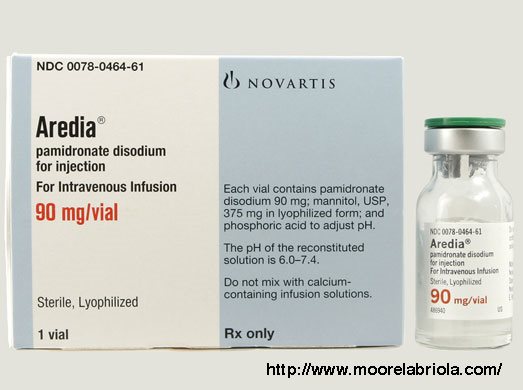
Aredia, also known as Pamidronate, is used to treat high levels of calcium in the blood that are associated with certain types of cancer and osteopersosis. It is also used to treat bone damage caused by myeloma or breast cancer. It is taken intravenously on a monthly schedule, often for the life of the patient. Aredia is a pharmaceutical product manufactured by Novartis.
Are There Side Effects Associated With Aredia?
Common side effects associated with Aredia are bone pain, nausea, dizziness, low calcium levels and on rare occassions Osteonecrosis of the jaw. Osteonecrosis of the jaw involves the development of disease of the mandible and maxilla. Often this can result in the removal of the affected bone. As studies are becoming more conclusive, it is being found that many biophosphonates, like Aredia, are the cause of the disease Lawsuits
As in many other pharmaceutical related lawsuits, the focus in primarily on products liability for failure to warn. As of 2010 there were 500 federal lawsuits pending and 150 pending in the state of New Jersey alone. Of the two that are conlcusive at this time the results are mixed. A Montana case accusing Aredia manufacturer, Novartis, of failing to give adequate warnings as to the risk of serious jaw injury found for the plaintiff and awarded her $3.2 million. On the other side of the country a jury found for the defendant, Novartis, and concluded that the defendant gave adequate warnings to her physician. Most recently Novartis was ordered to pay $12.8 million to a North Carolina woman who suffered severe damage to her maxilla and mandible after taking Aredia.
What do I do if I have symptoms?
The symptoms associated with osteonecrosis of the jaw include pain in the effected area and which can also progress to where there is difficulty chewing. Most often osteonecrosis has progressed far enough by the time it is diagnoseable. If you have been treated with Aredia or Zometa for cancer therapy or osteoperosis and have pain in your jaw that is continuous and seems to be getting worse you may have a case against Novartis for failure to give appropriate warnings. You should contact an attorney who specializes in pharmaceutical lawsuits and class actions immediately.