A Guide to Heroin Charges in the United States
📅 2026 Update: Changes in Heroin Charges and Drug Laws
Since the original article was published, there have been key developments in drug laws, particularly regarding marijuana. The Department of Justice proposed rescheduling marijuana, which could affect drug charges. The earlier article continues further down the page, providing a detailed overview of heroin charges in the U.S.
🌿 Marijuana Rescheduling Proposal
In May 2024, the Department of Justice proposed moving marijuana from Schedule I to Schedule III under the Controlled Substances Act. This change could lead to reduced penalties for marijuana-related offenses. However, as of late 2025, the proposal is still waiting for an administrative law hearing, showing no significant progress.
💰 Civil Penalties for Simple Possession
For personal-use amounts of certain substances, the government can now impose a civil fine of up to $10,000 per violation instead of pursuing criminal charges. This option is available at the discretion of federal prosecutors, meaning it is not guaranteed.
📜 Prescription Requirements
The law states that a prescription must be issued for a legitimate medical purpose. This means practitioners must conduct an in-person evaluation of the patient before prescribing controlled substances. This regulation is crucial for avoiding criminal charges related to prescription drugs.
🏛️ Penalties for Simple Possession
Federal law continues to impose strict penalties for the simple possession of controlled substances without a valid prescription. The penalties can escalate with prior convictions, starting with up to one year in prison and fines that increase with each offense.
⚖️ Impact of the Controlled Substances Act
The Controlled Substances Act classifies drugs into five schedules. This classification directly affects the severity of penalties for possession and distribution. Schedule I substances, like heroin, remain the most heavily penalized, reflecting their high potential for abuse and lack of accepted medical use.
📌 Key Points Summary
- 🌿 Proposal to reschedule marijuana is pending.
- 💰 New civil penalties for simple possession can be up to $10,000.
- 📜 Prescription requirements include an in-person evaluation.
- 🏛️ Federal penalties for possession escalate with prior convictions.
- ⚖️ The Controlled Substances Act affects penalties based on drug classification.
💡 Tips for Understanding Heroin Charges
Review the details of your own situation with your attorney.
🔍 Understand Drug Classifications
Know how the Controlled Substances Act classifies heroin and other drugs. Heroin is classified as a Schedule I substance, meaning it has no accepted medical use and carries severe penalties for possession.
⚠️ Know the Penalties
Penalties for simple possession of heroin can be harsh. A first offense could lead to up to one year in prison and a minimum fine of $1,000. Subsequent offenses lead to increased penalties.
📑 Seek Legal Aid
If facing drug charges, consider reaching out to legal aid organizations. They often provide free or low-cost legal services to those who qualify, helping you navigate the legal system.
🏛️ Be Aware of State Laws
Controlled substance laws can vary significantly from state to state. Some states have decriminalized or legalized certain substances, impacting how heroin charges are enforced.
💼 Explore Civil Penalty Options
If facing charges for personal-use amounts of substances, explore the possibility of civil penalties. Federal prosecutors may choose to impose fines instead of pursuing criminal charges, depending on the situation.
📜 Keep Updated on Legal Changes
Stay informed about changes in drug laws, especially regarding marijuana rescheduling. These changes can influence how drug charges are handled moving forward.
🏆 Free Options Ranked by User Reviews (2026)
No national paid service in this area met the review threshold, so this section lists free government and nonprofit resources that can help with drug charges and legal issues.
🥇 1. Legal Aid Services
Legal aid organizations provide free or low-cost legal assistance to those who qualify. They can help individuals facing drug charges understand their rights and options. These services are often available to low-income individuals, ensuring everyone has access to legal support.
🥈 2. Public Defender Offices
Public defenders represent individuals who cannot afford an attorney. They are appointed to cases involving criminal charges, including drug offenses. Public defenders are knowledgeable about local laws and can provide valuable defense strategies.
🥉 3. State Bar Associations
Many state bar associations offer resources for those seeking legal help. They may provide lists of legal aid organizations, public defenders, and other legal resources. These associations aim to connect individuals with the help they need for their specific situation.
4️⃣ Nonprofit Legal Clinics
Nonprofit legal clinics often hold free workshops and consultations for individuals facing legal issues. They may focus on drug-related charges, helping people understand their rights and legal options. These clinics can be a valuable resource for those in need of assistance.
5️⃣ Community Support Groups
Community support groups provide resources and support for individuals facing drug charges or struggling with addiction. They often offer guidance on navigating the legal system and connecting individuals with legal aid services.
🔎 What to Check Before Paying for Help
- 🔍 Verify the credentials of any legal service.
- 💸 Ensure the service offers a clear breakdown of costs.
- 📞 Look for reviews from past clients.
- 🤝 Check if they provide free consultations.
- 📜 Confirm they specialize in drug-related cases.
❓ Frequently Asked Questions
❓ What are the penalties for distributing heroin?
Distribution of heroin can lead to severe penalties, including prison terms ranging from 5 years to life. The penalties depend on the quantity of heroin and the defendant's criminal history.
📜 How does marijuana rescheduling affect heroin charges?
While the rescheduling of marijuana primarily impacts marijuana-related offenses, any changes in drug laws can influence overall drug enforcement practices, including those for heroin.
🏛️ What should I do if I’m charged with heroin possession?
If charged with heroin possession, it’s essential to seek legal assistance. Understanding your rights and options is critical to navigating the legal process effectively.
📑 Are there alternatives to criminal charges for drug possession?
Yes, federal prosecutors may impose civil penalties for personal-use amounts of certain substances. This can include fines instead of criminal charges, depending on the situation.
🔍 How can I find legal aid for drug charges?
You can find legal aid services through local nonprofit organizations, public defender offices, or state bar associations. These resources often provide free or low-cost legal assistance.
⚖️ What is the impact of the Controlled Substances Act on drug charges?
The Controlled Substances Act classifies drugs into schedules that determine penalties for possession and distribution. The scheduling of heroin as a Schedule I substance means it carries some of the harshest penalties.
⚖️ Recent Cases Related to Drug Charges
Recent court rulings continue to shape how drug charges, including those for heroin, are handled in the United States. These rulings often clarify the application of penalties and laws surrounding drug offenses.
- New York court vacates plea in drug sale case against CleggAppellate Division of the Supreme Court of the State of New York · October 2, 2026
- Court affirms drug conviction after search consent rulingCourt of Appeals of Georgia · October 5, 2026
- Ohio Court affirms consecutive sentences for drug traffickingOhio Court of Appeals · September 29, 2026
- Maryland Court Rules on Drug Conviction Sentencing MergerCourt of Special Appeals of Maryland · October 6, 2026
For more recent rulings, you can browse more rulings on the news page.
End of October 2026 Update
What are Heroin Charges?
Heroin charges are components of the criminal procedure undertaken in order to substantiate an individual suspect’s required appearance within a legal venue subsequent to their arrest for criminal concerning the usage of Heroin; Heroin charges furnished by law enforcement agencies within the United States of America are required, due to the fact that they serve as a legally-documented account of the participation of an individual suspect with regard to illegal substances classified as illegal drugs or controlled substances. The implications latent with in Heroin charges provide 2 primary legal facets, which express both the reasons for apprehension, as well as associate punitive recourse contingent upon a guilty verdict:
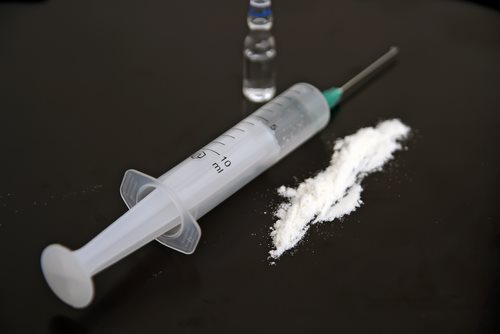
What is Heroin?
Diamorphine, the potent chemical within Heroin can be extracted from Poppy plants, which are naturally occurring; similar chemical copies can be created in the form of Oxycontin and other types of synthetic morphine:
Heroin charges primarily serve as an identification of illegal activity and events within which a suspect participated concerning the illegal substance Heroin; the classification of these actions serve as not only gradients categorizing the events in question, but also as delineations between the various Heroin charges in existence
Secondly, Heroin charges serve to provide legal parameters existing in conjunction with the charges furnished by the arresting law enforcement agents; akin to the large majority of statutory legislation within the United States, the severity of Heroin charges vary in accordance the degree of severity of the criminal activity undertaken
The Classification of Heroin Charges under the Controlled Substance Act of 1970
Located in Title II of the Comprehensive Drug Abuse Prevention and Control Act, the Controlled Substance Act addresses and classifies the illegal usage, sales, and cultivation undertaken with regard to the wide range of individual substances considered to be illegal both in nature, as well as upon misuse or unauthorized possession.
Heroin charges furnished by the CSA not only provide a legislative classification of the drug itself, but also the parameters within which prosecution concerning Heroin required adherence. The following legislation is furnished with regard to Heroin charges:
Schedule I Substance and Heroin Charges
Heroin charges are furnished in accordance to the classification of the drug as a ‘Schedule I Substance’; the ideology implemented within the identification of a Schedule I substance expresses the following requirements contingent upon its classification – Heroin Charges were officially implemented within the Harrison Act of 1914:
A Schedule I substance is considered to retain an increased risk for addiction and abuse; with regard to Heroin charges, this risk exists in conjunction to the addictive properties inherent within the chemical makeup of Heroin
A Schedule I substance is considered to be absent of any or all medical or productive usages; in contrast with certain illegal drugs, Heroin is not considered to retain any medical or health benefits upon its usage
A Schedule I substance is considered to be absent of specified or identifiable terms, conditions, or guidelines with regard to safety measures concerning its usage – as a result, Schedule I substances are considered to retain high proclivities for overdose