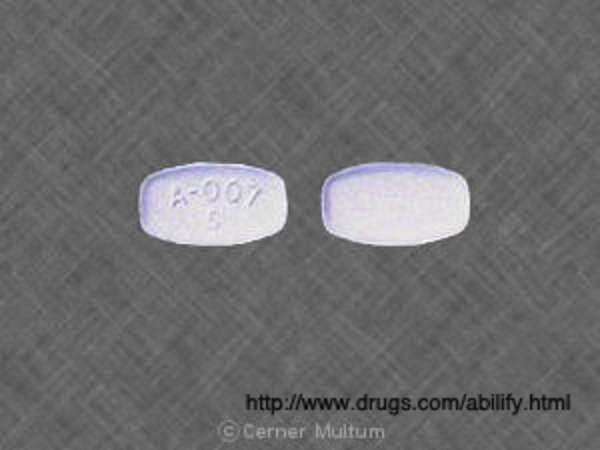
Abilify Overdose
📅 2026 Update: Current Landscape of Abilify Overdose Risks
Since the original article on Abilify, there have been no significant legislative changes related to overdose risks or regulations for aripiprazole (Abilify) in the United States. Readers can find further details about Abilify’s overdose risks and management later in this article.
🏥 Current Medication Forms
Aripiprazole (Abilify) is still available in multiple forms. You can find it as oral tablets, orally disintegrating tablets, and injectable versions. This variety allows for flexibility in treatment options based on individual patient needs.
- 💊 Fexofenadine (Allegra): This medication is offered in oral tablets, including extended-release options.
- 🌙 Zolpidem (Ambien): It remains available in both immediate-release and extended-release tablets.
⏳ Prescription Processing Times
When you get a prescription for any of these medications, processing times typically range from 15 minutes to an hour at most pharmacies. This speed can be important for those needing immediate medication.
📝 Prescription Eligibility
Eligibility for aripiprazole, fexofenadine, and zolpidem is determined by healthcare providers. They assess individual medical needs to ensure the right medication is prescribed.
⏳ Prescription Deadlines
There are no specific deadlines for obtaining these medications, but prescriptions usually expire between 30 to 90 days after being written. It is important to renew prescriptions as needed.
📌 Key Takeaways
- No recent legislative changes regarding Abilify overdose risks.
- Available in various forms for flexibility.
- Processing times are typically 15 to 60 minutes.
- Eligibility is determined by healthcare providers.
- Prescriptions generally expire in 30 to 90 days.
💡 Tips for Managing Abilify Overdose Risks
Review the specifics of your situation with your attorney.
🩺 Understand Overdose Symptoms
Be aware of the symptoms of aripiprazole (Abilify) overdose. These include vomiting, somnolence, and tremor. Recognizing these symptoms early can help in seeking timely medical attention.
🚑 Seek Supportive Care
If an overdose occurs, supportive therapy is critical. Medical professionals will monitor for cardiac arrhythmias to ensure safety and effectiveness in treatment.
🧠 Monitor for Side Effects
Fexofenadine (Allegra) overdose can cause dizziness, drowsiness, and dry mouth. If you notice severe side effects, contact a healthcare provider immediately.
🌙 Zolpidem Risks
With zolpidem (Ambien), overdose symptoms may include drowsiness, coma, and slowed breathing. It is important to use this medication as prescribed to avoid serious complications.
🏥 Know Where to Get Help
If you or someone you know is struggling with medication abuse, there are resources available. The Partnership for Prescription Assistance offers information on medication assistance programs.
🏆 Services Ranked by User Reviews (2026)
This section reviews services relevant to managing prescription medications, including those for addiction treatment. The rankings are based on Trustpilot data as of October 2026. Scores can change over time, and while they are informative, they do not capture every user's experience.
🥇 1. QuickMD
QuickMD holds a Trustpilot score of 4.5. This service is known for its Medication-Assisted Treatment (MAT) for opioid use disorder. It also operates a telemedicine platform for addiction treatment.
However, some users have reported delays in response times, which could affect timely access to care.
🆓 Free Government Assistance
For those seeking help with medication costs, the Partnership for Prescription Assistance provides information on medication assistance programs. This can be a valuable resource for individuals needing support in managing their prescriptions.
🔎 Comparing Services
When evaluating services, consider the following:
- 💊 Types of medications offered
- ⏳ Processing times for prescriptions
- 🔍 User reviews and ratings
- 📞 Availability of customer support
- 💰 Options for financial assistance
❓ Frequently Asked Questions
🤔 What should I do if I suspect an overdose?
If you suspect an overdose, seek medical help immediately. Symptoms may vary based on the medication involved.
🩺 How are prescription medications monitored?
Healthcare providers monitor medications through regular check-ups and assessments to ensure safety and efficacy.
📄 Can I refill my prescription online?
Many pharmacies allow online refills for prescriptions. Check with your local pharmacy for their specific process.
📅 How long does a prescription last?
Prescriptions typically expire between 30 to 90 days after being written, depending on the medication and state regulations.
🚑 What should I do if I experience side effects?
If you experience side effects from any medication, contact your healthcare provider for guidance on how to proceed.
📞 Where can I find medication assistance?
You can find medication assistance through the Partnership for Prescription Assistance or similar programs that help individuals with medication costs.
⚖️ Recent Legal Cases Related to Abilify
Recent court rulings have focused on issues surrounding prescription medications, including those related to overdose risks. These cases highlight the importance of understanding both legal and health implications when it comes to medication use.
- Puerto Rico court rules on drug evidence suppression caseTribunal De Apelaciones De Puerto Rico/Court of Appeals of Puerto Rico · August 28, 2026
- Pennsylvania court affirms sentence for drug possession caseSuperior Court of Pennsylvania · October 20, 2026
- Pennsylvania Court Upholds Drug Conviction of William BlakeSuperior Court of Pennsylvania · October 20, 2026
- Wisconsin Court Upholds Evidence Suppression in Drug CaseCourt of Appeals of Wisconsin · October 20, 2026
For more detailed information, check more rulings on the news page.
End of October 2026 Update
What are the dangers of Abilify overdose?
As with all medications, a danger of overdose due to toxicity and over concentration of Abilify is both harmful and possible. In normal doses Abilify byproducts are passed in waste or adsorbed, whereas in an Abilify overdose, the residue and other substances remain in an unsafe concentration. The inability to release or absorb the drug prompts a severe reaction that, depending on the extent of the overdose and subsequent damage, might be fatal.
What factors contribute to an Abilify overdose?
Even if you take the recommended dosage amount, you may be susceptible to an Abilify overdose. The presence of an Abilify overdose is directly elastic to your body’s ability to break the drug down. If your body’s natural function is filled with other medications, your ability to absorb Abilify will be compromised. Other illicit drugs and alcohol pose a threat to your body’s ability to break down Abilify.
What are the symptoms of Abilify overdose?
There are a number of minor indications that one has an Abilify overdose, but the more severe consequences can also be sudden. Some symptoms of Abilify overdose include:
Heat irregularities – too slow and too fast a heartbeat can be caused by overdosing on Abilify. The heart may also beat irregularly (atrial fibrillation)
Discomfort – often the first signs of an Abilify overdose, the patient will become shaky and confused. This is usually followed by nausea and possibly aggression.
Serious symptoms – coma, seizures and sudden difficulty breathing are all warning signs of an Abilify overdose. If these signs are present you or a loved one should call 911 immediately. This is a drastic situation which requires immediate medical attention to flush the body of Abilify.
How do I avoid an Abilify overdose?
To avoid an Abilify overdose, you must carefully read the dosing instructions. If ambiguous, please contact your physician for more information. Adults should not exceed 30mg/day; max levels for children hover around 15 mg per day.
When taking ability, one should avoid alcohol and other drugs. When starting new medication (prescription or nonprescription), inform your doctor that you are taking Abilify--this is critical in avoiding an Abilify overdose.