Ambien Addiction
📅 2026 Update: Progress in Addiction Treatment and Drug Policies
Since the original article on Ambien addiction was published, several significant changes have occurred in drug laws and addiction treatment in the U.S. These developments impact how individuals seeking help for addiction can access services and the legal landscape surrounding controlled substances. The earlier article continues further down the page.
🩺 Telemedicine Flexibilities Extended
Telemedicine has become more accessible for patients needing prescriptions for controlled medications. The U.S. Department of Health and Human Services and the Drug Enforcement Administration extended telemedicine flexibilities through December 31, 2026.
Patients can receive prescriptions without prior in-person visits, making it easier for those in remote areas to access care.
- 🏥 Access: This extension allows individuals to consult with healthcare providers virtually, which is especially beneficial for those with mobility issues or living in rural locations.
📉 Drug Overdose Deaths Decline
In a positive trend, drug overdose deaths dropped significantly in 2024. The age-adjusted death rate fell by 26.2%, decreasing from 31.3 to 23.1 deaths per 100,000 people. This decline reflects ongoing efforts to address addiction and improve treatment options.
- 📊 Statistics: In 2024, there were 79,384 drug overdose deaths in the U.S., showing the impact of various drug policies and treatment programs.
🌿 Federal Marijuana Rescheduling
In April 2026, the federal government reclassified state-licensed medical marijuana from Schedule I to Schedule III. This change acknowledges its medical use while still keeping recreational marijuana illegal at the federal level.
- ⚖️ Legal Implications: This reclassification can influence how marijuana is perceived in the context of addiction treatment and may open new avenues for research and medical use.
🏥 Costs of Addiction Treatment
Costs for addiction treatment programs vary widely. Outpatient services can average between $1,000 and $10,000 per month. Inpatient programs typically range from $6,000 to $20,000 for a 30-day stay.
Understanding these costs can help individuals plan for treatment.
- 💵 Financial Planning: It is essential for individuals to consider their financial situation and explore potential insurance coverage options when seeking treatment.
📌 Key Points Summary
- 🩺 Telemedicine flexibilities are extended until December 31, 2026.
- 📉 Drug overdose deaths have significantly declined since 2024.
- 🌿 Medical marijuana is now classified as Schedule III.
- 🏥 Addiction treatment costs can vary widely depending on the type of service.
- ⚖️ Ongoing efforts are addressing addiction and improving access to treatment.
💡 Practical Tips for Navigating Addiction Treatment
Review your situation in detail with your attorney to ensure you understand your options.
📝 Understand Telemedicine Regulations
Know that telemedicine allows you to consult healthcare providers without needing to visit in person. This can save time and help you get the prescriptions you need more conveniently.
🏥 Research Treatment Options
Explore both inpatient and outpatient programs to find the best fit for your needs. Each type of program has different costs and levels of support, so choose wisely.
📊 Check Insurance Coverage
Before enrolling in a treatment program, check your insurance benefits. Some plans may cover a portion of the costs, making treatment more affordable.
🔑 Be Prepared for Assessments
Most treatment programs require a comprehensive evaluation to determine your needs. Gather your medical history and any relevant documents to make this process smoother.
📞 Utilize Free Resources
Don't hesitate to reach out to free resources for information and support. Organizations like the Substance Abuse and Mental Health Services Administration can provide valuable guidance.
🏆 Free Options Ranked by User Reviews (2026)
There are currently no paid services that meet the review threshold for this topic. Instead, here are free government and nonprofit resources available for those seeking help with addiction treatment.
🥇 1. Substance Abuse and Mental Health Services Administration (SAMHSA)
SAMHSA offers a national helpline at 1-800-662-HELP (4357). This service provides confidential information and treatment referrals for individuals facing substance use disorders.
- 📞 Availability: The helpline is available 24/7, ensuring support is accessible whenever needed.
- 📚 Resources: SAMHSA also offers a wide range of materials on addiction, treatment options, and recovery.
🥈 2. Local Health Departments
Many state and local health departments provide free or low-cost addiction treatment services. These departments can connect individuals to resources and support in their area.
- 🏢 Community Focus: They often have programs tailored to the needs of the community, making them a valuable resource for local residents.
- 📋 Accessibility: Health departments may offer various services, including counseling and support groups.
🥉 3. National Alliance on Mental Illness (NAMI)
NAMI provides resources and support for individuals affected by substance use disorders. They offer information on treatment options and connect individuals with local support groups.
- 🤝 Peer Support: NAMI focuses on peer-led support, which can be particularly helpful for individuals seeking understanding and connection.
- 🗣️ Advocacy: NAMI also advocates for better policies and resources for those dealing with mental health and addiction issues.
🔎 What to Check Before Paying for Help
- ✅ Verify Credentials: Ensure the organization or service provider is accredited and recognized.
- 📞 Ask About Costs: Inquire about any hidden fees before committing to a program.
- 📝 Understand Treatment Options: Know what types of treatments are offered and if they fit your needs.
- 📊 Check Reviews: Look for reviews or testimonials from previous clients to gauge effectiveness.
❓ Frequently Asked Questions
🤔 What are the signs of Ambien addiction?
Signs of Ambien addiction include increased tolerance, withdrawal symptoms, and using the medication for longer than prescribed. Individuals may also find it challenging to stop using the drug despite negative consequences.
🏥 How can telemedicine help with addiction treatment?
Telemedicine allows individuals to receive prescriptions and consultations without in-person visits. This flexibility is especially beneficial for those who may struggle with mobility or live in remote areas.
📉 What has changed in drug overdose rates recently?
In 2024, the U.S. saw a significant decline in drug overdose deaths, with a 26.2% decrease in the age-adjusted death rate. This change indicates that efforts to combat addiction are having a positive impact.
🌿 How does the reclassification of marijuana affect addiction treatment?
The reclassification of medical marijuana to Schedule III acknowledges its medical use, which could lead to broader acceptance and research into its benefits for treating certain conditions.
📅 Are there deadlines for addiction treatment programs?
While there are generally no specific deadlines for telemedicine prescriptions, some addiction treatment programs may have application deadlines, especially for inpatient services. It's essential to contact programs directly for specific timelines.
💵 What is the average cost of addiction treatment?
Costs for addiction treatment vary widely, with outpatient services averaging between $1,000 and $10,000 per month. Inpatient programs typically range from $6,000 to $20,000 for a 30-day stay.
⚖️ Recent Cases Related to Addiction
Recent court rulings highlight ongoing legal issues surrounding addiction and related drug policies. These rulings can impact how addiction treatment is approached and regulated across the country.
- Oregon court affirms conviction in marijuana possession caseCourt of Appeals of Oregon · June 17, 2026
- New York court affirms enhanced sentence for drug dealerAppellate Division of the Supreme Court of the State of New York · June 18, 2026
- Ohio court upholds conviction of Anthony Madaris for drug offensesOhio Court of Appeals · June 18, 2026
- Court modifies probation terms for Kasey Urena in drug caseAppellate Division of the Supreme Court of the State of New York · June 18, 2026
For further insights, feel free to browse more rulings on the news page.
End of October 2026 Update
A brief guide to Ambien addiction
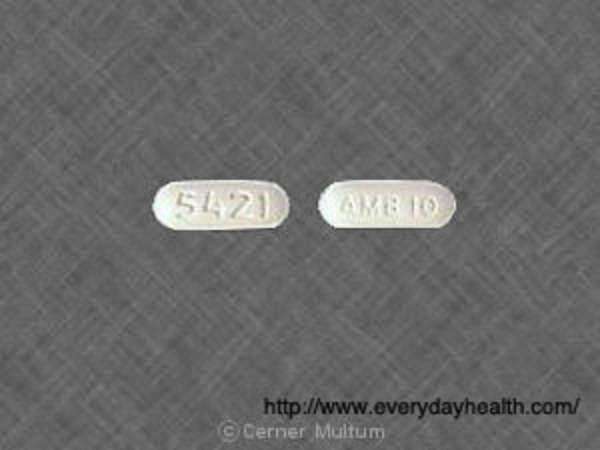
As with any prescription medication, a course of insomnia treatment with Ambien carries multiple risks. When trying to find out is Ambien addictive, it is important to understand that you may not be able to predict whether you are at risk for this occurrence. Anyone who begins taking this drug should be alert to any Ambien addiction symptoms. If any are observed, a physician should be informed immediately that you may have developed an Ambien addiction.
Prior to prescribing this medication, a doctor should enquire whether you or your family have a history of addiction or drug abuse. If so, the answer to the question "is Ambien addictive?" is that the risk is higher in your case. Doctors who prescribe the medication to such patients should be especially alert to any signs of Ambien addiction symptoms.
Ambien addiction may not immediately manifest itself. When trying to determine is Ambien addictive in your case, you should be aware of any indication that you are using the drug in an unhealthy fashion. For example, anyone who finds them craving the drug is manifesting Ambien addiction symptoms. Other indications that you have developed an Ambien addiction include conscious use of the drug despite negative effects and an inability to use the drug seriously.
Keep in mind when trying to determine is Ambien addictive that recreational abuse of the drug can create this kind of condition. You are at greater risk for developing Ambien addiction symptoms if you take more of the drug than prescribed. Those who take the drug without any prescription are also at increased risk for an Ambien addiction.
This kind of medical problem is considered separate from dependency. If you do not manifest Ambien addiction symptoms, you may still experience serious side effects when discontinuing use of the drug or decreasing your dosage. This means that when answering the question "is Ambien addictive?," you need to consider the possibility that your body will come to depend on the drug even if you do not abuse it. Ambien addiction and abuse increases your chances of a difficult withdrawal but is not the only reason this can occur.
When asking your doctor "is Ambien addictive?," ask as many questions as you feel are necessary to make an informed decision. Report any potential indications of Ambien addiction immediately. A physician should adjust your discontinue or order a cessation of use if Ambien addiction symptoms occur. Failure to do so may indicate malpractice and negligence.
Manufacturer information about the drug is clearly answers the question "is Ambien addictive?" It is your responsibility to educate yourself about the risk of Ambien addiction and the potential negative side effects. This means you will be unlikely to be successful if you file a lawsuit against the manufacturer regarding Ambien addiction symptoms and subsequent serious health consequences.
However, if you feel a physician did not honestly answer the question "is Ambien addictive?" or was otherwise negligent, you may have grounds for a lawsuit. Consult a lawyer to see whether a physician is likely to found responsible for severe consequences or failure to adequately treat Ambien addiction symptoms.