Guide to Salvia
📅 2026 Update: Changes in Drug Laws Impacting Salvia
Since the original article was published, there have been significant updates in U.S. drug laws, particularly concerning marijuana and its classification. These changes may influence public perception and legal considerations surrounding other substances, including salvia. Readers can find the earlier article further down the page for foundational information on salvia.
🌿 Recent Marijuana Rescheduling
On April 23, 2026, the Department of Justice (DOJ) and Drug Enforcement Administration (DEA) announced a rescheduling of FDA-approved marijuana products to Schedule III of the Controlled Substances Act (CSA). This change recognizes the medical use of marijuana and suggests a lower potential for abuse compared to substances in Schedules I and II.
- 🗓️ Key Date: A hearing was scheduled on June 29, 2026, to discuss the broader rescheduling of marijuana.
🏛️ Cannabis Administration and Opportunity Act
The Cannabis Administration and Opportunity Act (CAOA) was reintroduced in the U.S. Senate on July 16, 2026. This act aims to federally decriminalize marijuana by removing it from the CSA altogether.
The act reflects evolving public attitudes towards cannabis use and may set precedents for how other drugs, like salvia, are treated.
- 📈 Public Support: A poll in 2025 indicated that 68% of Americans support making marijuana legal.
🛡️ Overdose Prevention Centers
In 2024, Rhode Island opened its first authorized overdose prevention center, following Vermont's pilot program. These centers aim to reduce fatalities related to drug overdoses, including substances like salvia. The growing focus on harm reduction is crucial as drug laws evolve.
- 🏥 Health Focus: New York City was the first to authorize such centers in November 2021.
📊 Tax Relief for Medical Marijuana Businesses
The rescheduling of marijuana to Schedule III has led to tax relief for state-licensed medical marijuana businesses. The federal tax penalty known as 280E applies only to drugs on Schedules I and II, allowing for easier financial operations for these businesses.
- 💰 Financial Impact: This tax relief could influence state policies on other substances, including salvia.
📌 Key Points Summary
- 🗓️ Marijuana rescheduled to Schedule III on April 23, 2026.
- 🌿 CAOA aims for federal decriminalization of marijuana.
- 🏥 Overdose prevention centers are expanding across states.
- 💰 Tax relief for medical marijuana businesses may set a precedent.
- 📈 Public support for marijuana legalization is at an all-time high.
💡 Tips for Understanding Salvia and Drug Laws
Review the details of your own situation with an attorney. Understanding the nuances of drug laws is crucial for making informed decisions.
📚 Research Legal Status
Stay updated on the legal status of salvia in your state. Laws can vary significantly from one state to another, and knowing these differences can prevent legal issues.
📄 Know the Risks
Understand the potential risks associated with salvia use. While it may not be classified the same way as marijuana, its effects can still pose health risks.
🛡️ Harm Reduction Strategies
Explore harm reduction strategies if considering the use of salvia. This includes using it in a safe environment and being aware of your mental and physical state.
🌐 Follow State and Federal Changes
Keep an eye on both state and federal changes in drug laws. The evolving landscape can impact how substances like salvia are regulated and perceived.
🗣️ Engage in Community Dialogues
Participate in community discussions about drug laws and policies. Engaging with local advocacy groups can provide insights and help shape future legislation.
🏆 Free Options Ranked by User Reviews (2026)
No national paid service in this area met the review threshold. However, several free government and nonprofit resources are available to assist individuals interested in drug law information and support.
🥇 1. Drug Policy Alliance
The Drug Policy Alliance focuses on drug policy reform and public health. They offer reports and recommendations, including the "High-THC Marijuana: Protecting Public Health In A Changing Market" to help communities navigate changing drug laws.
- 📖 Who It Helps: This organization helps individuals and communities understand the implications of drug laws and promotes safe access to legal substances.
🥈 2. Partnership to End Addiction
The Partnership to End Addiction provides extensive resources on addiction and substance use. Their report, "Why and How We Should Protect Youth in the Context of State Marijuana Legalization," includes research-based recommendations.
- 👶 Who It Helps: This organization aims to protect youth and families affected by substance use and advocates for responsible drug policies.
🥉 3. Overdose Prevention Centers
Various states, including New York and Rhode Island, now have authorized overdose prevention centers. These centers provide critical services to individuals at risk of overdose.
- 📍 Who It Helps: They support individuals struggling with substance use, providing a safe place for consumption and access to medical assistance.
4️⃣ Community Health Organizations
Local community health organizations often provide resources and support for individuals affected by drug use. They can offer counseling, educational programs, and recovery support.
- 🏥 Who It Helps: These organizations serve individuals seeking help with substance use, offering valuable community resources.
🔎 Things to Check Before Paying for Help
- ❓ Check the credentials of any service provider.
- 💸 Understand the costs and fees involved before committing.
- 📜 Verify if they provide clear information on drug laws.
- 🗣️ Look for reviews or feedback from past users.
❓ Frequently Asked Questions
🤔 What is salvia, and is it legal everywhere?
Salvia is a psychoactive plant that can produce intense hallucinations and altered perceptions. Its legal status varies by state, with some places banning it while others allow it.
📅 How has the legalization of marijuana affected other drugs like salvia?
The legalization of marijuana has sparked discussions about the legal status of other substances. Changes in public opinion and policy may influence how salvia is treated in the future.
🚨 What are the health risks associated with using salvia?
Using salvia can lead to intense hallucinations, anxiety, and confusion. Understanding these risks is important for informed decision-making.
🛑 Are there any penalties for possessing salvia?
Penalties for possessing salvia depend on state laws. Some states may impose fines or criminal charges, while others may not regulate it as strictly.
🌍 Where can I find more information about drug laws?
Many organizations, including the Drug Policy Alliance and local health departments, provide information about drug laws and public health resources.
📈 How can public opinion influence drug laws?
Public opinion plays a significant role in shaping drug policy. As more people support legalization or reform, lawmakers may respond by changing existing laws.
⚖️ Recent Cases Related to Drug Laws
Recent court rulings have addressed various aspects of drug laws, particularly focusing on marijuana and its implications for other substances. These rulings may influence future legal considerations for salvia and other drugs.
- Ohio court rules on Edding drug case, remands for findingsOhio Court of Appeals · July 29, 2026
- Ohio Court upholds conviction of Raymond Wilkins in drug caseOhio Court of Appeals · July 21, 2026
- Ohio Court upholds convictions of Tyler Carter for drug chargesOhio Court of Appeals · August 3, 2026
- California court modifies sentencing in Keene drug caseCalifornia Court of Appeal · August 3, 2026
Readers can browse more recent rulings in the news section: more rulings on the news page.
End of October 2026 Update
What is Salvia?
Salvia is a large genus of plants, encompassing a number of different species, which are grown for ornamental and culinary purposes. The majority of garden stores, throughout the country, carry several salvia species, from purely ornamental salvia plants to those that are used for cooking—known as sage.
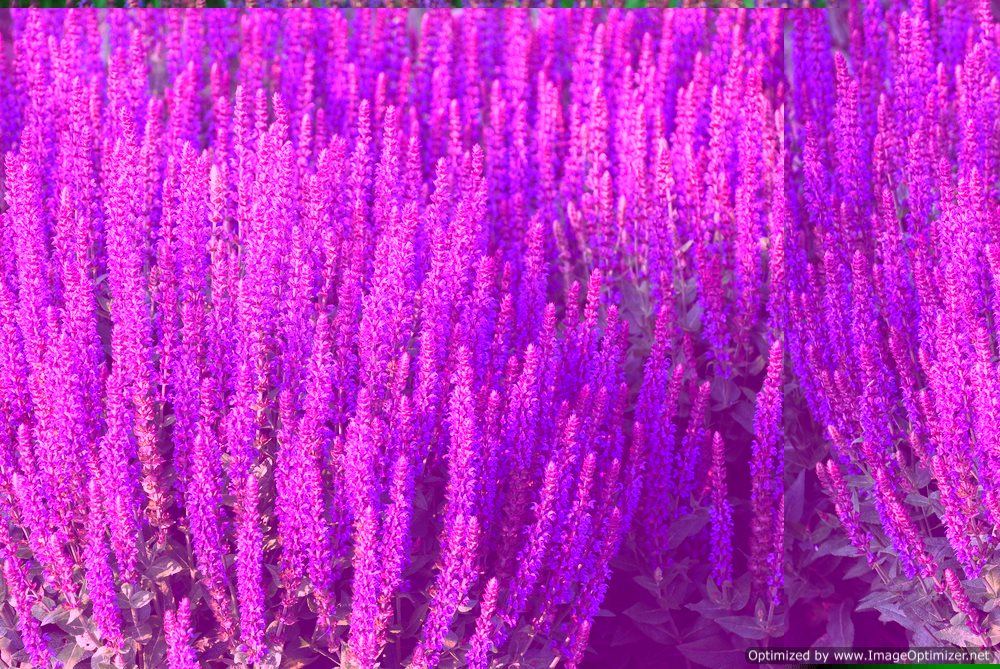
Regardless of the use or type of plant, all forms of savlia are characterized by upright flower stalks with clusters of vibrantly colored flowers. Furthermore the salvia plant has a square stem and slender green leaves. One cultivar of the plant, known as Salvia Divinorum or diviner’s sage, possesses psychoactive properties as a result of a diterpenoid compound found in the plant.
In addition to the psychoactive characteristics of the plant, this form of salvia is also quite attractive and often used for dried flower arrangements and ornamental borders. This species of salvia has a long history of traditional use among Native American tribes, especially in the southwest of the United States and Mexico.
Salvia as a Psychoactive Drug:
Salvia Divinorum is a psychoactive plant which induces dissociative effects on its subject. When ingested or smoked (similar to marijuana) this form of salvia is regarded as a potent producer of visions and other hallucinatory experiences.
Salvia’s native habitat is within the cloud forest region of the isolated Sierra Mazateca region of Oaxaca, Mexico. The plant is found in shady and moist locations and typically grows over a meter high. The plant has large leaves, hollow square stems and occasional white flowers.
The drug is becoming more widely known and used in modern society; when smoked or ingested it produces a quick and intense high similar to marijuana but with more visions. The national Survery on Drug Use and health has recently estimated that nearly 2 million individuals in the United States have tried the drug.
When smoked or chewed, Salvia will produce a psychedelic experience; these immediate effects are somewhat subjective and will vary according to dose and experience with the drug. Aside from individual experiences, there have been a number of studies and clinical trials, as well as published works, which summarize the effects of Salvia.
From this research as well as individual testimony the following effects are immediately felt after smoking or ingesting salvia: uncontrollable laughter, sensations of motion, or the feeling of being pulled, visions of membranes, merging with or becoming various objects, the thought of overlapping realities, such as the perception of being in multiple locations at once and the presence of past memories, such as revisiting places from your childhood.