Effects of Marijuana
📅 2026 Update: Changes in Marijuana Laws and Use
Since the original article was published, several important changes have occurred regarding marijuana laws and its effects. New medical approvals and growing concerns about stronger marijuana products are just a few of the updates relevant to the topic. The earlier article continues further down this page for more detailed information.
🌿 Increased THC Concentration
Between 1995 and 2024, the average THC concentration in marijuana rose from 4% to 12%. This increase means marijuana products are more potent, leading to stronger psychoactive effects. Users may experience heightened effects that could impact mental health and daily functioning.
💊 FDA Approvals
In 2024, the FDA approved Epidiolex, a purified CBD liquid, for treating specific seizure disorders in children. This approval reflects a broader acceptance of cannabinoids for medical use. Additionally, Dronabinol (Marinol) and nabilone (Cesamet) remain FDA-approved for treating nausea and vomiting associated with chemotherapy.
💸 Medical Marijuana Costs
Prices for medical marijuana vary widely across states and dispensaries, ranging from $10 to $20 per gram. These costs can affect access for patients needing cannabis for medical reasons. Understanding the financial aspects is crucial for those considering medical marijuana.
🚗 Marijuana and Daily Life
Research continues to show that marijuana use can lead to issues in daily life. Users are more likely to face relationship problems, poor academic performance, and lower overall life satisfaction. These effects raise concerns for individuals and families regarding long-term marijuana use.
📌 Key Points Summary
- 🌱 THC concentration has increased significantly over the years.
- 💊 Epidiolex is now FDA-approved for certain seizure disorders.
- 💸 Medical marijuana costs range from $10 to $20 per gram.
- 🚗 Marijuana use can negatively impact daily life and mental health.
💡 Tips for Understanding Marijuana's Impact
Reviewing your individual situation with an attorney will clarify your options regarding marijuana laws and use.
📝 Understand State Laws
Each state has specific laws regarding medical marijuana use and eligibility. Knowing the rules in your state can help navigate its legal landscape.
🔍 Know the Medical Uses
Familiarize yourself with FDA-approved cannabinoid medications, like Dronabinol and nabilone. These can be essential for managing nausea related to chemotherapy.
💰 Budget for Costs
Be prepared for the costs associated with medical marijuana. Prices can vary, so researching dispensaries in your area can lead to better financial planning.
📉 Monitor Health Effects
Stay aware of how marijuana affects your mental health and daily life. If you notice negative changes, it may be worth discussing with a healthcare provider.
⚠️ Be Cautious While Driving
If using marijuana, understand its potential to impair driving abilities. Slower reaction times and decreased coordination can lead to dangerous situations on the road.
🏆 Ranked by User Reviews (2026)
This section highlights services related to marijuana laws and health that fit the article's topic. The listings are based on Trustpilot data from October 2026. Ratings and reviews help provide insight into the quality of service, but remember that scores can change as new reviews come in.
🥇 1. Registrar Corp
Registrar Corp has been rated 4.5 stars. This company is known for providing FDA consulting services, which can be beneficial for those navigating the complex landscape of cannabis regulations. However, some customers have noted issues with customer service, which could impact their experience.
🆓 Free Help Options
The Substance Abuse and Mental Health Services Administration (SAMHSA) offers a free, confidential helpline available 24/7. This resource can assist individuals and families dealing with substance use disorders, including those related to marijuana. Additionally, the CDC provides important information about cannabis, its effects, and state-specific laws.
🔎 What to Compare When Choosing Services
- 📊 Customer ratings and reviews
- 🏷️ Types of services offered
- 💸 Pricing structures
- 📞 Availability of customer support
❓ Frequently Asked Questions
❓ What are the risks of using marijuana?
Using marijuana can lead to various health risks, including mental health issues like depression and anxiety. It can also impair cognitive functions and daily activities.
🚗 Can marijuana affect my driving?
Yes, marijuana use can impair driving abilities. Users may experience slower reactions and decreased coordination, increasing the risk of accidents.
👶 Is marijuana safe during pregnancy?
No, marijuana use during pregnancy can harm fetal development, leading to issues like low birth weight and developmental problems in the child.
🧠 How does marijuana affect brain development?
Regular cannabis use, especially during adolescence, can negatively impact brain development. This may lead to difficulties with thinking, memory, and learning.
💰 What should I know about medical marijuana costs?
Medical marijuana prices vary by state and can range from $10 to $20 per gram. Understanding these costs is crucial for patients needing cannabis for medical purposes.
📞 Where can I find help for substance use issues?
For support, individuals can reach out to SAMHSA's National Helpline, which offers free and confidential assistance for those facing substance use disorders.
⚖️ Recent Court Cases Related to Marijuana
Recent court rulings have continued to shape the legal landscape surrounding marijuana use and regulations. These cases highlight ongoing debates over legality and health implications connected to marijuana.
- Florida Court Overturns Fentanyl Trafficking ConvictionDistrict Court of Appeal of Florida · July 24, 2026
- Eighth Circuit upholds conviction of Saul Pineda in drug caseCourt of Appeals for the Eighth Circuit · June 30, 2026
- Texas Court affirms ruling in drug possession caseTexas Court of Appeals, 11th District (Eastland) · July 30, 2026
- Court affirms sentence for methamphetamine conspiracyCourt of Appeals for the Seventh Circuit · June 29, 2026
Readers can explore more rulings on the news page for the latest updates on marijuana-related legal matters.
End of October 2026 Update
A Closer look at the Effects of Marijuana
The most commonly used illegal drug in the United States is marijuana. When marijuana is smoked, effects users almost immediately, and the effects can last for many hours. If ingested in food, like brownies and cookies, the effects are slower but longer lasting.
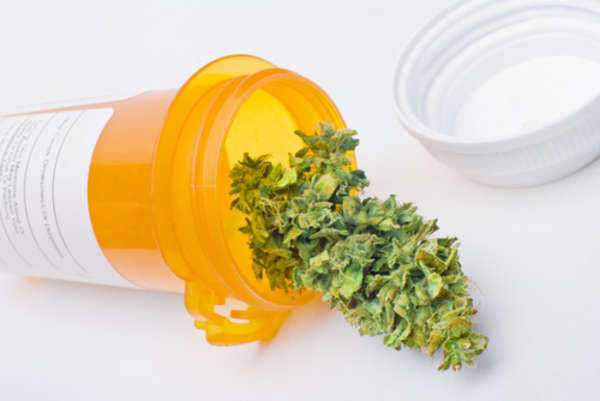
The active psychoactive ingredient that is responsible for many of the effects of marijuana is tetrahydrocannabinol, or THC. When smoked, THC goes into the blood stream via the lungs, and then goes to the brain. When ingested orally, the TCH still goes into the blood, but at a slower rate.
THC is also absorbed into body fat and gets released slowly back into the blood, making the excretion rate of TCH as long as one month,
Although many marijuana users and activists believe that there are no negative effects of marijuana, scientific research have suggested that there are in fact many different effects of marijuana and that it does have the potential to cause different health problems. However, the research is still not absolute on the subject.
The effects of marijuana depend mainly on the amount, frequency, strength, method of the marijuana. It also relies on the person’s build, mood, experience, tolerance, and age.
Immediate effects of marijuana in small dosages include:
• Anxiety an paranoia
• Extra happiness
• Lack of concentration
• Excessive attention to one thing
• Hunger
• Lack of balance or coordination
• Dry or red eyes
• Dry mouth and throat
Immediate effects of marijuana in large dosages include:
• Vomiting
• Confusion
• Restlessness
• Excitation
• Change in sensory or time perception
• Black out
• Anxiety
• Distance from reality
• Hallucinations
Long term effects of marijuana may include:
• Decreased motivation
• Decreased concentration
• Depression
• Lower sex drive
• Psychological effects
• Higher change of developing bronchitis
It is important to note that while these symptoms have been seen, the evidence for these detrimental health effects is not conclusive. Because of its illegal status, it can be difficult to do research in order to dispute the claims of the negative effects of THC. Many studies that have been done have shown contradicting evidence about the negative studies of the THC in marijuana, making it more difficult to determine the effects of marijuana.
In many studies, THC has been shown to be medically beneficial for AIDS and cancer patients by decreasing their level of nausea as well as increasing their appetites. It has also been shown to help glaucoma patients through reduction of internal pressure. Cannabis has also been used by patients suffering from multiple sclerosis in order to relieve spasticity and neuropathic pain.