Blunt
📅 2026 Update: Changes in US Drug Law and Policy
Since the original article was published, significant updates have taken place in U.S. drug laws and policies. The landscape around drug use, treatment, and regulations continues to evolve, impacting both individuals and communities. The earlier article, which provides foundational information, continues further down the page.
🚨 Drug Overdose Deaths Decline
In 2024, the U.S. saw a 26.2% decrease in the drug overdose death rate. This marked a decline from 31.3 to 23.1 deaths per 100,000 standard population. This improvement is a positive sign in the ongoing battle against substance misuse, reflecting potential shifts in treatment and prevention strategies.
💻 Telemedicine Flexibilities Extended
The U.S. Department of Health and Human Services and the DEA have extended telemedicine flexibilities through December 31, 2026. This allows patients to receive prescriptions for controlled medications without prior in-person visits.
This extension is crucial for those in remote areas or with mobility issues, as it improves access to necessary treatments.
🌿 Federal Marijuana Rescheduling
In April 2026, the federal government reclassified state-licensed medical marijuana from Schedule I to Schedule III. This change acknowledges the medical use of marijuana while keeping it illegal for recreational purposes at the federal level. The move reflects changing attitudes toward marijuana and its role in treatment.
🏥 Addiction Treatment Program Costs
Addiction treatment program costs can vary widely. Outpatient services generally average between $1,000 to $10,000 per month, while inpatient programs can range from $6,000 to $20,000 for a 30-day stay. Understanding these costs is essential for those seeking help for substance use disorders.
📌 Key Takeaways
- 🚨 Drug overdose deaths have declined by over 26% since 2024.
- 💻 Telemedicine for prescriptions has been extended until the end of 2026.
- 🌿 Medical marijuana is now classified as Schedule III by the federal government.
- 🏥 Addiction treatment costs vary significantly, depending on the type of care.
💡 Tips for Navigating Drug Law Changes
Reviewing the specifics of your situation with an attorney is crucial for understanding how these updates may affect you.
📋 Understand Telemedicine Regulations
Ensure you know the rules around telemedicine prescriptions. Patients must be in a state where the practitioner is licensed and have established a valid relationship for effective care.
💰 Budget for Treatment Costs
Be prepared for the wide range of costs associated with addiction treatment. Outpatient programs can be costly, and understanding your financial options can lead to better planning for treatment.
📞 Utilize Helplines
Take advantage of helplines, such as those provided by the Substance Abuse and Mental Health Services Administration. These resources can connect you with confidential information and treatment referrals.
🗂️ Explore Local Health Departments
Check with state and local health departments for free or low-cost addiction treatment services. Many offer resources that could significantly reduce the financial burden of treatment.
🌍 Stay Informed on Legal Changes
Keep up with changes in drug laws, especially regarding marijuana and telemedicine. Staying informed can help you navigate your options better and ensure compliance with current regulations.
🏆 Free Options Ranked by User Reviews (2026)
No national paid service in this area met the review threshold, so this section lists free government and nonprofit resources available for substance use treatment and support.
🥇 1. Substance Abuse and Mental Health Services Administration (SAMHSA)
SAMHSA provides a national helpline at 1-800-662-HELP (4357). This helpline offers confidential information and treatment referrals for individuals facing substance use disorders. It serves as a vital resource for those seeking help and guidance.
🥈 2. Local Health Departments
Many state and local health departments offer free or low-cost addiction treatment services. These departments are essential in providing support and resources tailored to the needs of the community, making them a valuable first stop for those seeking assistance.
🥉 3. National Alliance on Mental Illness (NAMI)
NAMI provides resources and support for individuals affected by substance use disorders. Their programs focus on education, advocacy, and support, ensuring that families and individuals have the information they need to navigate treatment options.
4️⃣ Community-Based Organizations
Numerous community-based organizations offer local support for addiction treatment. These organizations often provide counseling, group therapy, and other services aimed at helping individuals recover from substance use disorders.
🔎 What to Check Before Paying for Help
- 🔍 Verify the legitimacy of any service you consider.
- 🏥 Look for programs that offer sliding scale fees based on income.
- 📞 Check if they have qualified staff and proper licenses.
- 💬 Read user reviews to gauge effectiveness and satisfaction.
❓ Frequently Asked Questions
❓ What are the new telemedicine rules for prescriptions?
The DEA has allowed telemedicine prescriptions for controlled medications without prior in-person visits through December 31, 2026. This is a significant change aimed at improving access to care.
❓ How much does addiction treatment cost?
Costs for addiction treatment vary widely. Outpatient programs typically range from $1,000 to $10,000 monthly, while inpatient care can be between $6,000 and $20,000 for a 30-day stay.
❓ Where can I find free addiction treatment resources?
You can access free resources through the Substance Abuse and Mental Health Services Administration helpline and local health departments, which often provide low-cost treatment options.
❓ What are the overdose death rates currently?
In 2024, the U.S. recorded 79,384 drug overdose deaths, resulting in an age-adjusted rate of 23.1 deaths per 100,000 people. This marks a significant decrease from previous years.
❓ How has marijuana classification changed?
As of April 2026, medical marijuana is reclassified as a Schedule III substance at the federal level. This change acknowledges its medical use while maintaining federal prohibition on recreational use.
❓ What is the current state of prescription opioid misuse?
The percentage of people misusing prescription opioids decreased from 3.0% in 2021 to 2.4% in 2025, indicating progress in addressing opioid misuse through various initiatives.
⚖️ Recent Cases Related to Drug Law
Recent court rulings reflect ongoing developments in drug laws, particularly concerning substance use and treatment accessibility.
- Seventh Circuit Rules on Traffic Stop in Drug CaseCourt of Appeals for the Seventh Circuit · July 8, 2026
- Sixth Circuit upholds sentence for fentanyl dealer Cody KingCourt of Appeals for the Sixth Circuit · July 28, 2026
- Texas Court upholds 18-year sentence for drug possession caseTexas Court of Appeals, 6th District (Texarkana) · June 26, 2026
- Texas Court Abates Appeal in Controlled Substance CaseTexas Court of Appeals, 3rd District (Austin) · June 26, 2026
Readers can browse more rulings on the news page to stay updated on the latest legal developments in this area.
End of October 2026 Update
The Legality of the Blunt
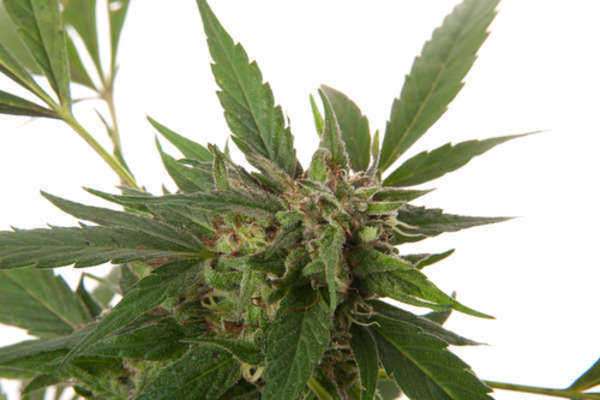
A blunt is the street name that is used to describe a tobacco and marijuana cigar. A blunt can also be referred to as an LP or even just an L. The name blunt originates from Phillies Blunt, a brand of cigars. However, other brands can also be used for a blunt. In a blunt, the cigar is unrolled and the tobacco is removed. It is then replaced with marijuana
The steps to make a bunt include:
• Removing the inner tobacco filler of the cigar.
• Making an incision or incompletely destroying the outer layer of paper.
• Rolling a quantity larger than that used in a joint of marijuana into the tobacco leaf paper of the cigar.
• Applying an adhesive to seal the blunt. Saliva is often used.
• Grazing a lighter across the blunt repeatedly or using a microwave or a different low-heat source to dry the blunt.
Unlike smoking a joint, a blunt:
• Decreases the burning rate due to the tobacco paper.
• Allows more individuals to share the joint since it burns more slowly.
• Allows more marijuana to be put in the cigar paper, as opposed to the joint.
• Allows the convenience of being stored, lit, put out, and reused.
• Appears to be a legal drug since it looks like a commercial tobacco cigar.
• Allows the nicotine and marijuana to combine, which creates a stimulant and depressant mix
Instead of cigar wrappings, blunt wraps are also often used as rolling paper for marijuana. They are sheets of reconstituted tobacco which are sometimes sold individually for less than a dollar. These blunt papers come in a variety of flavors, such as rum, watermelon, chocolate, and bubblegum. Retailers sometimes sell them to youths without knowing they are age-restricted tobacco products.
The legality of the wraps used to make blunts have been questioned many times. In Boston, the sale of blunt wraps, or the tobacco-based rolling papers often used for blunts were banned by the city’s tobacco control regulation.
Three different blunt wrap manufacturers along with RYO Cigar Association sued the Boston in hopes of overturning the ban by. On March 26, 2009, this was upheld by the Suffolk Superior Court. Judge Raymond Brassard, the Suffolk Superior Court ruled in favor of the city, stating that the ban was well within the city’s authority.
The ruling means that towns and cities can ban blunt wraps sales through a law, an ordinance, or a health regulation. However, under state law these papers cannot be regulated or banned at the municipal level if they are not made of tobacco.