Bextra Important Facts
📅 2026 Update: Changes in Drug Policy and Regulation
Since the original article was written, updates in drug policy and regulation in the United States have emerged. These changes reflect ongoing discussions about controlled substances, drug crimes, and addiction treatment. This section highlights key updates relevant to these topics, while the earlier article continues further down the page.
🌿 Changes in Marijuana Laws
Marijuana laws continue to evolve across the country. Many states have legalized recreational use, while others permit medical use only. As of now, over 20 states have legalized recreational marijuana.
This shift impacts drug crimes and penalties, with some states decriminalizing possession.
⚖️ Drug Crimes and Penalties
In recent years, there has been a trend toward reducing penalties for certain drug offenses. More jurisdictions are implementing diversion programs for first-time offenders. This aims to reduce incarceration rates and promote rehabilitation.
💊 Prescription Drug Regulations
Prescription drug regulations are under constant review. New policies focus on addressing the opioid crisis by tightening controls on prescription practices. There is increased scrutiny on doctors and pharmacies to prevent misuse and addiction.
🏥 Addiction Treatment Programs
Addiction treatment has gained more attention, with a push for better access to services. States are working to expand coverage for treatment options, including counseling and medication-assisted treatment. This aims to reduce the stigma associated with addiction.
📌 Key Points
- 🌱 Over 20 states have legalized recreational marijuana.
- ⚖️ Many areas are reducing penalties for drug offenses.
- 💡 New policies are tightening prescription drug regulations.
- 🏥 There is a growing focus on expanding addiction treatment services.
- 📈 Ongoing discussions continue to shape drug policy in the U.S.
💡 Tips for Navigating Drug Policy Changes
Review the details of your situation with your attorney. Understanding the implications of drug laws is vital for anyone affected by these changes.
📋 Understand State Laws
Each state has different drug laws. It's essential to familiarize yourself with the specific regulations in your area, especially regarding marijuana use and possession.
🔍 Keep Up with Policy Changes
Drug policies are frequently updated. Staying informed about new laws and regulations can help you avoid potential legal issues.
🏥 Explore Treatment Options
If you or someone you know is struggling with addiction, research available treatment options. Many programs focus on support and recovery, which can lead to better outcomes.
📑 Know Your Rights
Being aware of your rights under state and federal drug laws is crucial. This knowledge can empower you to make informed decisions and protect yourself.
📞 Seek Support
Support from community organizations can be beneficial. They often provide resources, guidance, and assistance for navigating drug-related challenges.
🏆 Drug Services Ranked by User Reviews (2026)
This section reviews services related to drug policy and regulation, focusing on user experiences. The following services are listed based on Trustpilot data from October 2026. Scores can change, and ratings reflect customer experiences, with unhappy customers often leaving more reviews.
🥇 1. CitizenPath Immigration Services
CitizenPath Immigration Services has been rated 4.5 stars. It is known for assisting with immigration applications and preparing USCIS forms. Its focus on personalized instructions and tailored checklists makes it a resource for navigating complex legal processes.
🆓 Free Government Resources
Numerous government websites provide free information on drug laws and regulations. These resources can guide individuals seeking to understand their rights and responsibilities regarding drug use and prescription medications.
🔍 What to Compare in Drug Services
- 🏅 Service ratings and customer reviews
- 📋 Range of services offered
- 💡 Availability of personalized support
- 📅 Updates on relevant drug laws
- 📞 Access to expert consultations
❓ Frequently Asked Questions
❓ What are the latest marijuana laws?
Marijuana laws vary by state, with over 20 states legalizing recreational use. Many states also allow medical use, while others have decriminalized possession.
⚖️ How are drug crime penalties changing?
There is a trend toward reducing penalties for drug offenses, particularly for first-time offenders, through diversion programs aimed at rehabilitation rather than incarceration.
💊 What regulations are in place for prescription drugs?
Recent policies focus on tightening controls around prescription practices to combat the opioid crisis, aiming to prevent misuse and addiction.
🏥 How can I find addiction treatment services?
Research local treatment options and support groups that focus on recovery. Many organizations offer resources to help those struggling with addiction.
📋 Are there resources for understanding my rights?
Yes, various government websites provide information about your rights under state and federal drug laws, helping you navigate potential legal challenges.
🔍 What should I know about drug policy updates?
Drug policies are continually evolving. Staying informed about local and national changes is important for understanding how they might affect you.
⚖️ Recent Cases Related to Drug Policy
Recent court rulings have addressed various aspects of drug policy and regulation. These decisions can impact drug crimes, penalties, and treatment options.
- Texas Court dismisses appeal in methamphetamine caseTexas Court of Appeals, 2nd District (Fort Worth) · August 6, 2026
- Court affirms conviction of Terry Ferguson in drug caseCourt of Appeals for the Seventh Circuit · August 7, 2026
- Seventh Circuit affirms ruling in drug trafficking caseCourt of Appeals for the Seventh Circuit · July 29, 2026
- Seventh Circuit affirms cocaine trafficking convictionCourt of Appeals for the Seventh Circuit · August 5, 2026
You can browse more rulings on the news page for the latest updates on drug-related court cases.
End of October 2026 Update
What is Bextra?
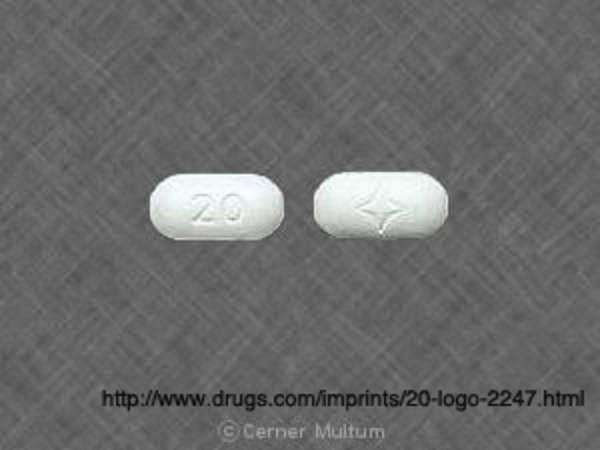
Bextra is a pharmaceutical product, developed in 2001, categorized as a non-steroidal anti-inflammatory drug (NSAID). It is often used for the treatment of osteoarthritis, rheumatoid arthritis, and menstruation. It is a product of Pfizer inc. and was removed from the market in 2005 over possible increased risk in heart attack and stroke.
What are the side effects of Bextra?
Upon certification by the FDA there were 20 known side effects associated with Bextra. Of the most serious are skin conditions including Stevens-Johnson syndrome and Toxic epidermal necrolysis. Stevens-Johnson syndrome is characterized by inflammations of the skin and mucous membranes. Toxic epidermal necrolysis takes the form of, what look like second degree burns. Both are serious side effects associated with the drug.
Government Regulation
Bextra has been associated with the same serious side effects as Vioxx, which was produced by Merck and subsequently removed from the market. In 2004 the FDA considered adding a "black box" warning to Bextra, the highest government warning available, but neglected to do so after the removal of the product from the market in 2005. In 2005, over concerns that the benefits of using the drug outweighed the possibility of adverse and dangerous effects, specifically the findings that use of Bextra was associated with increased cardiovascular risks, the lack of data that was available about cardiovascular risks and the increase in reports of life threatening skin conditions such as those mentioned above.
Lawsuits
In 2009 Pfizer inc. was forced to pay $2.3 billion in fines to settle criminal and civil charges surrounding the promotion of Bextra. The lawsuit contended that Pfizer was promoting the drug for "off-label" usage. This is usage that is not prescribed by the FDA. Although it is not illegal to use a prescription drug for non-FDA approved uses it is illegal for the makers of the product to promote or market the drug for those uses. The complaint alleged that Pfizer promoted the drug for treatment of acute pain and pre-operative and post-operative pain, all of which were not approved uses designated by the FDA.
As of 2007 Pfizer had settled some 90% of personal injury litigation involving serious side effects concerning Bextra and Celebrex. These injuries ranged from heart attack and stroke to the serious skin conditions noted in the "side effects" portion of this article.
What if I took Bextra?
If you or someone you know has taken Bextra or any other form of Cox-2 inhibitor such as Vioxx then you should immediately consult a physician about ending usage of the drug. All Cox-2 inhibitors are currently off the market due to serious conditions associated with them. If you have had a heart attack, stroke or other cardiovascular condition as a result of using any of these drugs then you should consult an attorney, specifically one specializing in class actions against pharmaceuticals or a personal injury lawyer with knowledge of litigation in the field.