Mescaline
📅 2026 Update: Changes in Drug Laws and Addiction Resources
Since the publication of the original article, several important updates have occurred in U.S. drug laws and addiction treatment resources. Key developments include the ongoing rescheduling of marijuana and new federal initiatives aimed at improving addiction recovery efforts. The details of the earlier article continue further down the page.
🌿 Marijuana Rescheduling Efforts
In May 2024, the DEA proposed moving marijuana from Schedule I to Schedule III. This change recognizes marijuana's medical use and its lower potential for abuse. As of October 2026, this process is still ongoing, with administrative hearings scheduled.
This shift could impact how marijuana is treated under U.S. drug laws.
🏥 Great American Recovery Initiative
On January 29, 2026, President Biden signed Executive Order 14379 to launch the Great American Recovery Initiative. This program aims to prioritize addiction treatment and recovery across the country. It is expected to provide more resources and support for individuals dealing with addiction.
⚖️ Federal Penalties for Drug Offenses
Under 21 U.S.C. § 960, the penalties for importing or exporting controlled substances remain severe. Individuals can face fines up to $10 million, while organizations may face fines as high as $50 million. This highlights the serious consequences of drug-related offenses.
💊 Prescription Requirements for Schedule II Substances
As outlined in 21 U.S.C. § 829, Schedule II controlled substances still require a written prescription from a practitioner. This regulation ensures that these substances are closely monitored due to their potential for abuse.
🔫 Federal Firearm Ban for Unlawful Drug Users
Individuals who are unlawful users of controlled substances are prohibited from possessing firearms under 18 U.S.C. § 922(g)(3). This law underscores the connection between drug use and firearm possession.
📌 Summary of Key Points
- 🌿 Marijuana may be rescheduled to Schedule III.
- 🏥 The Great American Recovery Initiative supports addiction treatment.
- ⚖️ Drug import/export penalties remain high.
- 💊 Schedule II drugs need a written prescription.
- 🔫 Unlawful drug users cannot possess firearms.
💡 Tips for Understanding Drug Laws and Treatment Options
Review the details of your situation with your attorney to ensure you understand the implications of these laws.
🏛️ Understand Federal Drug Schedules
Familiarize yourself with the different drug schedules. Schedule I substances have no accepted medical use, while Schedule II requires a prescription. This distinction is crucial for understanding legality and access.
📋 Keep Track of Prescription Validity
If you have a prescription for a Schedule II substance, note that it cannot be refilled. Prescriptions are valid for a limited time, so plan accordingly to avoid interruptions in treatment.
🚫 Know Your Rights on Firearm Possession
If you are an unlawful user of controlled substances, be aware that you cannot legally possess firearms. Understanding this law can help avoid legal issues down the line.
💵 Be Aware of Penalties
Understand the potential fines associated with drug offenses. Knowing the serious financial consequences can be a deterrent and encourage compliance with drug laws.
🆓 Explore Addiction Treatment Resources
Take advantage of resources offered through the Great American Recovery Initiative. This program aims to provide support and resources for those struggling with addiction.
🏆 Services Ranked by User Reviews (2026)
This section highlights services related to drug law and treatment that fit the topics of the article. The order follows Trustpilot ratings verified in October 2026, with scores subject to change. Ratings reflect customer experiences, and it's important to remember that unhappy customers tend to leave more reviews.
🥇 1. En-Vision America
En-Vision America holds a Trustpilot score of 4.5. The service is known for providing accessible prescription labeling solutions and innovative pharmacy technologies. However, it mainly serves pharmacies rather than individual consumers, which could limit its usefulness for those seeking personal services.
🥈 2. RushTranslate
RushTranslate has a Trustpilot score of 4.8. This service specializes in certified pharmaceutical translation and regulatory compliance translations. It has been recognized for its efficiency in the pharmaceutical industry but is limited to that sector, which may not cater to broader needs.
🥉 3. Day Translations
Day Translations has a Trustpilot score of 4.7. This company offers professional interpreting services and HIPAA-compliant language solutions. While it excels in interpretation, it does not focus on document preparation, which may be a drawback for those needing written translations.
🆓 Government and Nonprofit Help
The Great American Recovery Initiative offers free resources for addiction treatment and recovery. This initiative aims to support individuals across the nation struggling with addiction, providing valuable assistance without cost.
🔎 Factors to Compare When Choosing a Service
- ⭐️ Trustpilot scores and review counts.
- 💼 Services offered and their relevance to your needs.
- 🏅 Customer feedback on service quality.
- 📞 Availability of support options.
- 🏷️ Pricing and potential hidden costs.
❓ Frequently Asked Questions
🤔 What are the penalties for drug offenses?
Under 21 U.S.C. § 960, individuals may face fines up to $10 million for importing or exporting controlled substances. Organizations can be fined up to $50 million.
📜 How long is a Schedule II prescription valid?
Prescriptions for Schedule II controlled substances are valid only for a limited time as specified by federal regulations and cannot be refilled.
🔒 What are the restrictions on firearm possession?
Individuals who are unlawful users of controlled substances are prohibited from possessing firearms under 18 U.S.C. § 922(g)(3).
🏥 What is the Great American Recovery Initiative?
Launched on January 29, 2026, this initiative provides resources and support for addiction treatment and recovery nationwide.
🌱 How is marijuana being rescheduled?
The DEA proposed rescheduling marijuana from Schedule I to Schedule III in May 2024, recognizing its medical use and lower potential for abuse. This process is ongoing as of October 2026.
📋 Where can I find more information on drug laws?
You can explore additional details about drug laws, penalties, and treatment options through government resources and nonprofit organizations dedicated to addiction recovery.
⚖️ Recent Court Cases Related to Drug Laws
Recent court rulings have addressed various aspects of drug laws and their enforcement in the U.S. These rulings connect directly to the topics discussed in this article, highlighting evolving interpretations of drug policies.
- Mississippi court upholds drug possession convictionCourt of Appeals of Mississippi · September 29, 2026
- New Hampshire Supreme Court reverses drug convictionSupreme Court of New Hampshire · September 24, 2026
- New Hampshire Supreme Court Reverses Drug ConvictionsSupreme Court of New Hampshire · June 3, 2026
- Third Circuit upholds drug evidence in Walker caseCourt of Appeals for the Third Circuit · September 15, 2026
For further insights, you can browse more rulings on the news page.
End of October 2026 Update
What is Mescaline?
Mescaline is a psychedelic alkaloid that occurs naturally in the peyote cactus (Lophophora williamsii) and several other cactuses. The chemical name for the drug is Mescaline hydrochloride or 3,4,5-trimethoxyphenethylaminehydrochloride. The drug and peyote are illegal in the United States, and the drug is illegal in Canada.
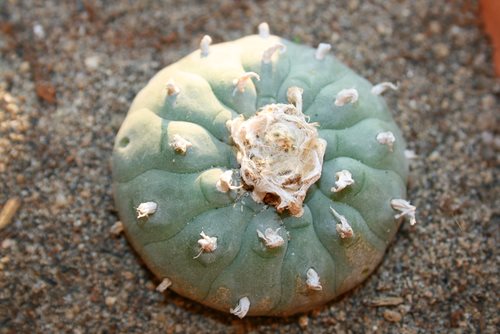
Native American tribes have used peyote for thousands of years during ceremonies and rituals. Most of the Native American tribes are located in the southwestern United States and Mexico. The drug has strong and intense hallucinogenic effects that can last for many hours.
Overview of the Drug
Mescaline is produced naturally in Peyote, which is a small and spineless cactus. The chemical is produced in the top of the cactus, called the “crown.” The crowns are disc-like shapes and are cut off and eaten. The drug is uncommon on the streets, and the majority of the drug is found on Native American reservations. The drug is known as Buttons, Cactus, Mesc, and Peyoto on the streets.
Method of Introduction
The drug can enter the body a couple of different ways. The fresh or dried buttons of the cactus are usually chewed or soaked in water. The cactus can also be ground down into a powder. This powder can be placed in capsules or smoked in a leaf of cannabis or tobacco.
A normal dosage of the drug is usually between 200 and 300 milligrams. About 6 to 12 buttons are capable of producing the normal dosages, but consant users will need a higher dose because the body builds up a tolerance to the drug.
Affects on the Mind
Mescaline is one of the strongest hallucinogenic substances. It has affects that are similar to LSD, PCP, and psilocybin, and in some cases, the drug can produce more powerful hallucinations that the other two drugs. Experiences with the drug differ from person to person, but common affects include powerful illusions and hallucinations along with an altered perception of time and space. The drug can produce an altered body image or “out of body” experiences. Feelings of euphoria and anxiety are common with this drug as well.
Affect on the Body
Peyote and mescaline can cause serious side effects once they are ingested. Common side effects include vomiting, serious nausea, a fast heart rate, increased blood pressure, a large amount of perspiration, a rise in body temperature, dilation of the pupils, muscle weakness, and headaches.
Laws for Mescaline in the United States
Peyote and the drug are Schedule I substances in the United States under the Controlled Substances Act. The drug is a Schedule I drug because it has a high risk of abuse, has not medical use in the United States, and is unsafe under medical supervision.
Medical studies have examined the usefulness of peyote in the past, but not recent medical tests have examined the drug. Other hallucinogenic drugs have been used in recent medical tests to treat depression, post traumatic stress disorder, and similar mental illnesses.
Sources: https://www.justice.gov/dea/druginfo/drug_data_sheets/Peyote_Mescaline.pdf