Everything's Over-the-Counter
📅 2026 Update: Changes in Drug Laws and Accessibility
Since the original article was published, there have been notable changes in U.S. drug laws and policies that affect prescription drugs and controlled substances. These updates may impact how individuals access medications and treatment options. The earlier article continues further down this page and provides foundational information on these topics.
🏥 New Access to Prescription Drugs
Recent developments have focused on improving access to prescription drugs. The U.S. Food and Drug Administration (FDA) continues to approve new medications that can help treat various health issues.
This includes updates on safer options for managing chronic pain and other conditions.
- 🧪 FDA Approvals: The FDA regularly updates its list of approved drugs. This information is vital for individuals seeking new treatment options.
📈 Changes in Drug Policy
Drug policy changes have aimed to address addiction treatment more effectively. The government is emphasizing harm reduction strategies and expanding access to opioid use disorder treatments. This is an important shift in how drug addiction is approached nationwide.
- 🩺 Focus on Treatment: More resources are now available for addiction treatment. This includes new programs and funding aimed at reducing drug-related harm.
📊 Data on Drug Use
The Centers for Disease Control and Prevention (CDC) has provided new data on drug-related health issues. This information helps understand the current state of drug use and its impact on public health.
- 📉 Health Statistics: Recent CDC reports show trends in drug overdoses and substance use. This data is critical for shaping future health policies.
🤝 Support for Addiction Recovery
The Substance Abuse and Mental Health Services Administration (SAMHSA) has increased its efforts to support those in recovery. New programs aim to provide better mental health services alongside addiction treatment.
- 🛠️ Resources Available: SAMHSA offers various resources aimed at individuals seeking help with addiction. This includes hotlines and local service directories.
📌 Key Points Summary
- 🏥 Increased FDA approvals for new medications.
- 📈 Expansion of addiction treatment programs and policies.
- 📊 New CDC data on drug use trends.
- 🤝 SAMHSA's support for recovery and mental health services.
💡 Tips for Understanding Drug Laws and Access
Review your specific situation with your attorney. They can provide tailored insights based on your circumstances.
📜 Know the Drug Schedules
Familiarize yourself with the different schedules of controlled substances. This helps understand the legal status of various drugs and their potential penalties.
💊 Explore Prescription Options
If you or someone you know needs medication, consult with healthcare providers about available prescription options. Various medications can be prescribed depending on individual needs.
📞 Use Available Hotlines
Take advantage of hotlines offered by organizations like SAMHSA. These resources can connect individuals with treatment options and support services.
🏥 Stay Informed on Policy Changes
Keep up with changes in drug laws and policies. Government websites often post updates that can affect access to medications and treatment.
📊 Understand Your Rights
Knowing your rights regarding prescription drugs and treatment options can empower you. This knowledge is crucial, especially if facing legal issues related to drug use.
🏆 Free Options Ranked by User Reviews (2026)
No national paid service in this area met the review threshold. This section lists free government and nonprofit resources that can assist with drug laws and access.
🥇 1. U.S. Food and Drug Administration (FDA)
The FDA offers comprehensive information on prescription drugs. It includes updates on drug approvals, regulations, and safety. Individuals can find valuable details about new medications and their uses.
- Who It Helps: People seeking information about specific medications and their safety profiles.
🥈 2. National Institute on Drug Abuse (NIDA)
NIDA provides insights into drug use and addiction treatment options. Their website features research findings and educational resources on various substances.
- Who It Helps: Individuals looking for information on addiction and treatment methods.
🥉 3. Centers for Disease Control and Prevention (CDC)
The CDC shares data on drug-related health issues and public health policies. Their reports often highlight the current state of drug use and its impact on communities.
- Who It Helps: Public health officials, researchers, and individuals wanting to understand drug use trends.
4️⃣ Substance Abuse and Mental Health Services Administration (SAMHSA)
SAMHSA offers resources for addiction treatment and mental health services. They provide a confidential hotline for individuals seeking support.
- Who It Helps: Anyone needing assistance with addiction or mental health concerns.
5️⃣ National Institutes of Health (NIH)
NIH conducts research related to prescription drugs and their effects. Their information aids in understanding drug interactions and potential risks.
- Who It Helps: Researchers and individuals wanting to learn more about drug effects and safety.
🔎 What to Check Before Paying for Help
- 💵 Look for free resources before considering paid options.
- 🏢 Verify the legitimacy of organizations offering help.
- 📞 Contact hotlines for immediate support and guidance.
- 📚 Research local programs that might offer assistance.
❓ Frequently Asked Questions
❓ What are controlled substances?
Controlled substances are drugs that the government regulates due to their potential for abuse. These drugs are categorized into schedules based on their medical use and risk of dependency.
📜 How can I find out about new prescription drugs?
The FDA regularly updates its website with information about new drug approvals. Checking their site can provide the latest details on medications available for specific conditions.
🏥 What should I do if I need addiction treatment?
Contact organizations like SAMHSA for resources and support. They can connect you with treatment options and help navigate available services.
📈 What is the current trend in drug overdoses?
Recent CDC data shows a concerning rise in drug overdoses, particularly related to opioids. Understanding these trends can inform better public health strategies and personal choices.
🤝 Are there local resources for addiction recovery?
Yes, many community organizations offer local support for addiction recovery. These may include counseling services, support groups, and treatment programs.
🔍 How can I stay updated on drug laws?
Monitoring updates from government agencies like the FDA and CDC is essential. They post changes in laws and regulations that can affect access to drugs and treatment options.
⚖️ Recent Court Cases Related to Drug Laws
Recent court rulings have shaped the landscape of drug laws and enforcement in the United States. These rulings often clarify how laws are applied and can impact individuals facing drug-related charges.
- Eighth Circuit upholds ruling in drug trafficking caseCourt of Appeals for the Eighth Circuit · July 13, 2026
- Fifth Circuit upholds sentencing of Juan Payne for drug salesCourt of Appeals for the Fifth Circuit · July 10, 2026
- Eighth Circuit upholds plea deal in drug conspiracy caseCourt of Appeals for the Eighth Circuit · July 10, 2026
- Texas Court affirms conviction for drug possession caseTexas Court of Appeals, 7th District (Amarillo) · July 22, 2026
For more information, readers can browse more rulings on the news page.
End of October 2026 Update
Over the Counter Drugs Defined:
Over the counter drugs are medicines that are sold directly to a consumer without the need or inclusion of a prescription from a healthcare professional. Over the counter drugs, therefore, do not require a doctor’s visit to obtain the medicine, as compared to a prescription drug, which may only be sold to the consumer in possession of a valid prescription.
In the majority of countries, such as the United States, over the counter drugs are selected by a regulatory agency to ensure that the substance contains ingredients that are both safe and effective.
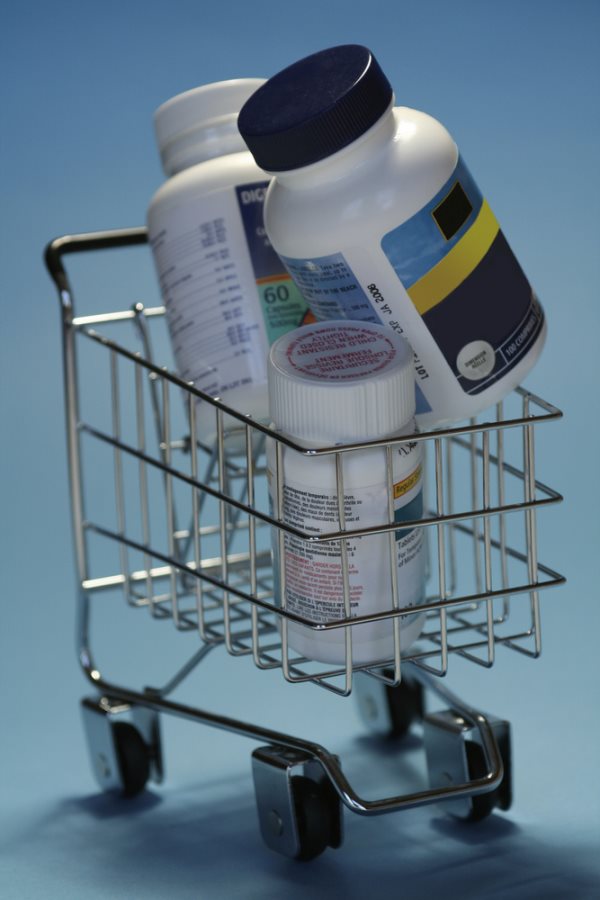
Over the counter drugs are typically regulated by active pharmaceutical ingredients and not final products; the regulatory initiative is vital when classifying a drug as over the counter. By regulating pharmaceutical ingredients, as oppose to specific drug formulations, a governing body can allow manufacturers of over the counter drugs to formulate ingredients or combinations of ingredients to create a proprietary mixture.
The term over the counter may be somewhat confusing, since the majority of over the counter drugs are located on the shelves of retail stores like any other good or packaged product. By contrast, a prescription drug is always passed over the counter from a licensed pharmacist to the consumer in possession of a valid prescription.
To add to the ambiguity, some drugs may be classified as over the counter, but may only be dispensed by a pharmacy employee after a formal assessment of the patient’s needs and or the provision of patient education have been undertaken.
In the majority of countries, a number of over the counter drugs are available in stores without a pharmacy, such as general stores, gas stations, super markets etc. Regulations regarding the establishments where over the counter drugs may be sold, who is authorized to dispense them and whether a prescription is needed to obtain them will vary from location to location.
Regulations of Over the Counter Drugs in the United States:
In the United States, the sale and manufacture of over the counter drugs is regulated by the Food and Drug Administration. The FDA, operates in strict accordance with the Federal Food, Drug and Cosmetic Act, which requires all new drugs to obtain a New Drug Application prior to entering interstate commerce.
Additionally, the Act also exempts any drugs that are generally recognized as safe and effective from obtaining this form. In order to observe and analyze the vast number of over the counter drugs on the market, prior to the requirement, the FDA created the OTC monograph system to facilitate the review of drugs and to appropriately categorize them.
This system enabled the FDA to create classes for drugs; some classes required the filing of the NDA while others were deemed safe. As a result, the manufacture of over the counter drugs must be done either pursuant to an FDA monograph, which specifies the types of OTC drugs, its active ingredients and labeling requirements, or pursuant to the New Drug Application, for products that do not fit within a specific monograph.