4 Facts that you Must Know about Drug Possession
📅 2026 Update: Key Changes in Drug Possession Laws
Since the original article was published, there have been significant updates regarding drug possession laws. Most notably, the proposal to reschedule marijuana could have a major impact on how it is classified under federal law. Readers can find further details about drug possession laws in the article below.
🌿 Marijuana Rescheduling Proposal
In May 2024, the Department of Justice proposed to reschedule marijuana from Schedule I to Schedule III under the Controlled Substances Act. This change would acknowledge its medical use and potentially reduce penalties for possession. As of late 2025, the proposal was still awaiting an administrative law hearing, suggesting no immediate changes are in effect yet.
💰 Civil Penalty for Simple Possession
The government can now impose a civil fine of up to $10,000 for personal-use amounts of certain substances instead of pursuing criminal charges. This civil penalty option is at the discretion of federal prosecutors, meaning it may not be available in all cases.
📋 Prescription Requirements
A valid prescription must be issued for a legitimate medical purpose and after at least one in-person evaluation of the patient. This requirement ensures that prescriptions are given responsibly, reflecting a commitment to patient safety and proper medical practice.
⏳ Processing Times
As of late 2025, the marijuana rescheduling proposal was still awaiting an administrative law hearing. This delay indicates that changes to marijuana's legal status may take longer than initially anticipated.
📌 Summary of Key Changes
- 🌿 Marijuana may be rescheduled, but the proposal is still pending.
- 💰 Civil fines for simple possession can reach up to $10,000.
- 📋 Prescriptions need a legitimate medical purpose and prior evaluation.
- ⏳ Processing times for rescheduling are still ongoing with no progress yet.
💡 Tips for Navigating Drug Possession Laws
Consider discussing the specifics of your situation with your attorney. Understanding the law can be complex, and a professional can provide clarity.
📜 Understand the Controlled Substances Act
Familiarize yourself with the Controlled Substances Act (CSA). It classifies drugs into five schedules based on potential for abuse, accepted medical use, and safety. This classification affects penalties for possession and distribution.
🔍 Know Your State's Laws
State laws regarding drug possession can vary significantly. Some states have decriminalized or legalized substances like marijuana, leading to different penalties and enforcement practices.
🏷️ Be Aware of Penalties
Understand the penalties for simple possession under federal law. For a first offense, penalties can include up to one year in prison and a minimum fine of $1,000. Subsequent offenses carry harsher penalties.
📄 Keep Prescription Regulations in Mind
If you need medication, ensure your prescription meets legal requirements. A prescription must be issued for a legitimate medical purpose after an in-person evaluation to be valid.
🔄 Explore Civil Penalty Options
If you are facing charges for simple possession, check if you are eligible for civil penalties. This option is not guaranteed and depends on the discretion of federal prosecutors.
⏲️ Stay Updated on Legal Changes
Keep an eye on the status of the marijuana rescheduling proposal. Legal changes can occur, and staying informed will help you understand how the laws may affect you.
🏆 Free Options Ranked by User Reviews (2026)
Currently, no national paid service meets the review threshold in this area. Instead, this section highlights free government and nonprofit resources for individuals facing drug-related issues.
🥇 1. Legal Aid Services
Legal aid organizations provide free or low-cost legal services to those who qualify. They can assist individuals facing drug charges and help navigate the legal system effectively.
🥈 2. Public Defender Services
Public defenders are assigned to represent individuals charged with crimes who cannot afford an attorney. They provide legal assistance and defense in cases involving drug possession and related charges.
🥉 3. State Bar Association Resources
State bar associations often offer resources for finding legal help, including referrals to legal aid services. They can connect individuals with organizations that provide support for drug-related legal issues.
4️⃣ Community Health Centers
Community health centers may offer support for individuals dealing with addiction and related legal matters. They provide access to treatment resources and can help individuals understand their legal rights.
🔎 What to Check Before Paying for Help
- ✅ Ensure any service is licensed and legitimate.
- 🔍 Read reviews from other users to gauge effectiveness.
- 📜 Confirm they have experience with drug possession cases.
- 💬 Ask about fees and ensure there are no hidden costs.
❓ Frequently Asked Questions
❔ What is the current status of marijuana rescheduling?
As of late 2025, the proposal to reschedule marijuana is still awaiting an administrative law hearing. There are no changes in its classification yet.
🚨 What can happen if I am caught with a controlled substance?
If caught with a controlled substance without a valid prescription, you may face criminal charges. Penalties can include fines and imprisonment depending on the number of prior offenses.
⚖️ How does federal law differ from state law regarding drug possession?
Federal law has strict penalties for drug possession, while state laws can vary widely. Some states have decriminalized or legalized certain substances, leading to potential differences in enforcement.
📅 How long does it take to resolve drug possession cases?
The time it takes to resolve drug possession cases can vary. Factors include the complexity of the case and whether it goes to court or is settled through civil penalties.
📄 What should I do if I receive a civil penalty for drug possession?
If you receive a civil penalty, consider seeking legal assistance to understand your options. You may be able to negotiate or contest the penalty depending on your circumstances.
🔎 Are there resources for addiction treatment?
Yes, there are various resources available for addiction treatment, including community health centers and legal aid services that can provide support and assistance.
⚖️ Recent Cases Related to Drug Possession
Recent court rulings have highlighted changes in how drug possession laws are interpreted and enforced. These rulings may influence future cases involving drug possession and related charges.
- Third Circuit upholds drug evidence in Walker caseCourt of Appeals for the Third Circuit · September 15, 2026
- Ninth Circuit upholds conviction of Marcello Rivera for drug crimesCourt of Appeals for the Ninth Circuit · September 23, 2026
- Sixth Circuit affirms drug conspiracy conviction of WalkerCourt of Appeals for the Sixth Circuit · September 25, 2026
- Idaho Supreme Court Upholds Evidence Seizure in Drug CaseIdaho Supreme Court · September 22, 2026
For more recent rulings, you can browse recent rulings on the news page.
End of October 2026 Update
Drug Possession Defined
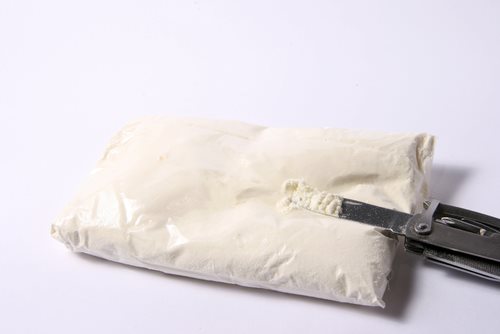
A charge furnishing details expressing the illegal possession of Drugs may be defined as the unlawful, illicit, and prohibited ownership of Drugs; however, the nature within which the individual suspect in question gained access to the Drugs may also be associated with the investigation. Criminal charges expressing the illegal possession of Drugs are subject vary in nature, which commonly involves the classification of Drugs discovered on the person of the individual, the location within which the apprehension took place, the analysis of any or all criminal history belonging to the individual suspect, as well the implicit, intended usage of the Drugs discovered on the individual suspect.
The Possession of Illegal Drugs vs. The Possession of Controlled Substances
A substance or item whose use, possession, or purchase undertaken in a legal fashion is permissible with regard to applicable jurisdictional statutory legislature; in order for Drugs to be considered as such, the individual in possession of the Drugs in question will be required to obtain the expressed permission granted from the Federal Government of the United States and the prescription of the Drugs in question from a certified medical practitioner. However, the usage, possession, or purchase of Drugs considered to be controlled substances undertaken without either of the requirements listed above will typically result in a variety of criminal charges equivalent to criminal charges associated with illegal drugs.
Criminal Charges Associated with Drug Possession
Amongst the multitude of classifications inherent to the drug industry within modernity – ranging in legality, accessibility, and punitive recourse concerning the possession of Drugs, the following criminal charges may be applicable to individuals undertaking the use of Drugs:
Drug Trafficking vs. Drug Possession
The Trafficking of Drugs is defined as the illegal sale, production, transport, movement, and intended distribution of Drugs considered to be illegal in nature. However, a trafficking offense concerning Drugs exceeds the severity of a Drugs possession offence, due to the fact that the volume and quantity of Drugs discovered on the individual suspect typically results in the automatic association of an ‘intention to distribute’ charge in conjunction with the initial Drugs trafficking charge.
Drug Cultivation vs. Drug Possession
The cultivation of Drugs is viewed as a serious offense, which is comparable – and oftentimes equivalent to associated charges applicable to the possession, sales, and trafficking of Drugs; although the cultivation of Drugs may not involve the individual suspect possessing Drugs in its final form, merely the possession or sale of the ingredients and key components used in order to manufacture Drugs may be sufficient for apprehension of the guilty party.
Reporting Illegal Activity Involving Drugs
Remember, regardless of the degree of usage or quantity of Drugs - or any other type of illegal substance – illegal Drugs use, possession, and sales are a very serious offense, which risk damage, harm, and destruction onto individual wellbeing, as well as the community at large. Please contact the Drug Enforcement Agency (DEA) their telephone number (202) 307-1000 or your local ‘Crime-Stoppers’ organization if you have any information.