Guide to Class A Drugs
📅 2026 Update: Changes in US Drug Law
Since the original article was published, there have been some notable changes and developments in US drug law. While some aspects remain unchanged, new information can help readers better understand current policies on controlled substances, drug crimes, and addiction treatment. The earlier article continues further down the page.
🌿 New Marijuana Laws
Many states have continued to change their laws regarding marijuana. More states have legalized recreational and medical use since the original article. This shift has led to a growing number of dispensaries and changes in regulations around possession and use.
State laws can vary significantly, so it is important to stay informed about local regulations.
⚖️ Drug Crime Penalties
Penalties for drug crimes, especially related to Class A drugs, remain strict. However, some jurisdictions are moving toward reducing penalties for certain offenses, particularly minor drug possession. This is part of a larger trend to focus on treatment rather than punishment for addiction-related crimes.
💊 Prescription Drug Regulations
The regulation of prescription drugs continues to evolve, especially regarding opioids. Authorities have implemented stricter guidelines for prescribing these medications to address the ongoing opioid crisis. This aims to prevent misuse while ensuring patients have access to necessary medications.
🧠 Addiction Treatment Options
Addiction treatment options have expanded. More programs are now available that focus on holistic approaches, including counseling and support groups. This change reflects a growing understanding of addiction as a complex health issue rather than just a legal problem.
📌 Key Points to Remember
- 🌿 Marijuana laws are changing, with more states legalizing use.
- ⚖️ Drug crime penalties may be reducing in some areas.
- 💊 Stricter regulations are in place for prescription opioids.
- 🧠 Addiction treatment is becoming more varied and accessible.
💡 Tips for Navigating Drug Laws
Review the details of your situation with your attorney. Understanding the nuances of drug laws can help you stay informed and compliant.
🏛️ Understand Federal vs. State Laws
Different states have varying laws about controlled substances. Familiarize yourself with both federal and state regulations to avoid legal issues.
📞 Contact Local Authorities
If you have questions about drug laws, reach out to local law enforcement or legal resources. They can provide guidance based on your area’s specific regulations.
📚 Research Online Resources
Numerous online resources outline drug laws and policies. Government websites are excellent for finding accurate and up-to-date information.
🧑⚕️ Seek Help for Addiction
If you or someone you know is struggling with addiction, consider seeking help from local treatment centers. Many offer comprehensive support and resources.
📅 Stay Informed on Changes
Laws regarding drugs are often updated. Regularly check official sources to keep up with any changes that may affect you.
🏆 Services Ranked by User Reviews (2026)
This section reviews services related to drug law and policy, focusing on user feedback. The following services are ranked based on Trustpilot data checked in October 2026. Star ratings can change over time, and unhappy customers often leave more reviews, so consider this when evaluating options.
🥇 1. CitizenPath Immigration Services
CitizenPath Immigration Services has been rated 4.5 stars. This service is known for providing assistance with immigration applications, including tailored instructions and sample documents. While it primarily focuses on immigration, understanding drug laws can be crucial for those applying for visas or residency, especially related to drug offenses.
❓ Frequently Asked Questions
❓ What are Class A drugs?
Class A drugs are considered the most serious illegal substances in the US. They carry the harshest penalties for possession, distribution, and production.
🏢 How do drug laws vary by state?
Drug laws can differ significantly from state to state. Some states have more lenient penalties for certain drug offenses, while others impose stricter rules.
🌍 Can I face federal charges for state legal drug use?
Yes, federal law still classifies certain drugs as illegal, even if a state has legalized them. This can lead to federal charges irrespective of state law.
💵 What are the penalties for drug possession?
Penalties for drug possession can include fines, jail time, or both. The severity often depends on the type and amount of drug involved.
🔍 Where can I find more information on drug laws?
Official government websites and legal databases are excellent resources for up-to-date information on drug laws and regulations.
🆘 How can I access addiction treatment?
Many local health organizations offer information about accessing addiction treatment. Research available programs in your area for options.
⚖️ Recent Cases Related to Drug Laws
Recent court rulings continue to shape drug laws in the United States. These cases often address issues of legality, enforcement, and penalties surrounding controlled substances.
- Court upholds drug evidence in Florida traffic stop caseDistrict Court of Appeal of Florida · February 10, 2021
- Florida court affirms drug convictions in Dorsey caseDistrict Court of Appeal of Florida · March 31, 2021
- Florida court upholds traffic stop leading to drug chargesDistrict Court of Appeal of Florida · March 24, 2021
- Florida court upholds life sentence for drug-related murderDistrict Court of Appeal of Florida · July 13, 2021
For more recent rulings, browse more rulings on the news page.
End of October 2026 Update
What are Class A Drugs?
Class A drugs are regarded as the most severe and dangerous drugs in British society. Possession, use or intent to distribute these drugs will result in the most severe drug-related penalties.
British law, regarding the mitigation of drug use and supply is regulated and affirmed through the Misuse of Drugs Act 1971; this piece of legislation lists and subsequently classifies all forms of recreational drugs present in society and accordingly attaches punishments for the use, possession and distribution of such drugs.
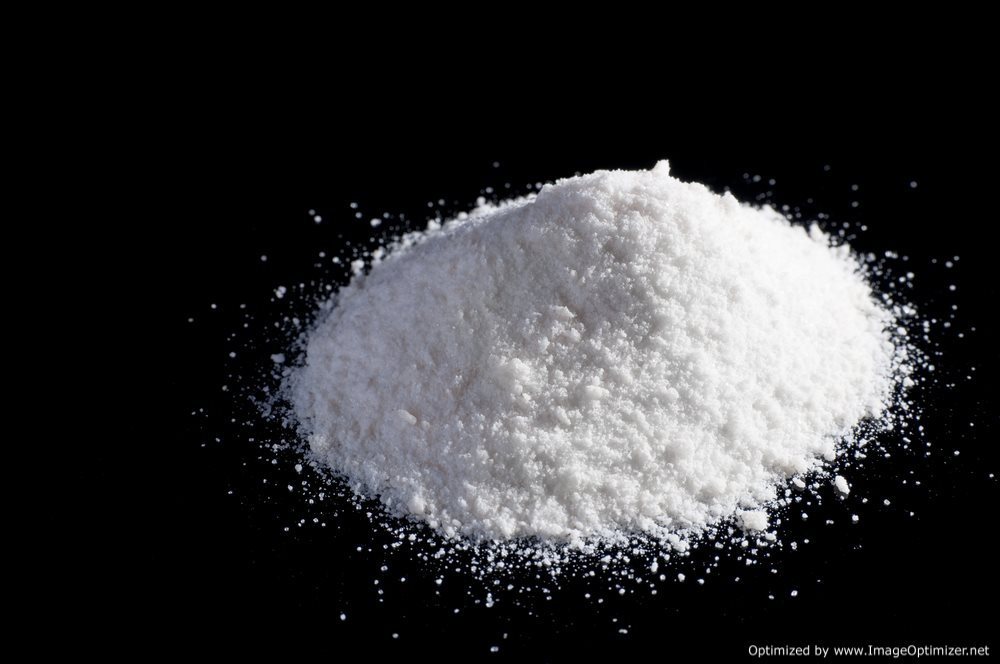
How does the Misuse of Drugs Act Classify Drugs in Britain?
The Misuse of Drugs Act establishes three separate categories for drugs in British society: Class A Drugs, Class B and Class C. Class A drugs represent those deemed as the most dangerous; as a result of this classification the use, possession and intent to distribute Class A drugs will carry the harshest punishments in British society.
Both Class B and Class C represents those drugs that are deemed to have the least capacity to impose on society and so the Act accordingly places more lenient punishments for the possession, use and distribution.
That being said, an individual found in possession of a drug on this list is dealt with less seriously than would be if it were deemed that the individual had an explicit intent to supply the drug to others. According to British law, possession with intent to supply will carry a maximum punishment of life in prison.
With regard to a lawful possession and supply charge, the Act has placed a different set of categories that are specifically labeled in the Misuse of Drugs Regulations 2001—the amended version of the Misuse Drugs Act 1971. This act sets out five schedules each with their own restrictions and accompanying punishments.
For example, Schedule 1 contains substances that serve no medicinal benefit such as various hallucinogens. In turn, schedules 2 through 5 contain other regulated drugs. This classification a system means that although drugs may fall into a category of Class, they may also be placed into one of the schedules that represent legitimate medicinal use.
For example, the drug morphine, is regarded as a Class A drug under the Misuse of Drugs Act 1971, but when the drug is lawfully supplied for medicinal treatment, morphine will fall under the category of a schedule 2 controlled substance.
What is regarded as a Class A Drug in Britain?
According to the Misuse of Drugs Act 1971, there are currently dozens of drugs classified as Class A substances. The list is expansive, but the most notable drugs found in Class A are as follows: Toad, Cocaine, Paramorphan, China White, Vicodin, LSD/Acid, Methadone, Mescaline, Meth, Speed, MDMA (Ecstasy), Morphine, Heroin, Opium, OxyContin, Demerol, Oxymorphone, Psilocybe Mushrooms, TCP and Methyl-aminorex.