Ambien Dosages
📅 2026 Update: Recent Dosage Guidelines for Ambien and Related Medications
Since the original article was published, there have been significant updates regarding dosage guidelines for medications related to sleep disorders and attention issues. This update highlights recent changes in dosage recommendations for Abilify and Adderall, as well as important information about their uses and potential for abuse. The earlier article continues further down the page, providing additional context and details.
💤 📋 Abilify Dosage Changes
As of January 29, 2025, the recommended starting and target dose for Abilify (Aripiprazole) for adults with schizophrenia is now set at 10 or 15 mg/day. This dosage is given once daily and can be taken without regard to meals. This change is crucial for those seeking effective treatment options.
- 🔄 Forms Available: Abilify comes in different forms, including oral tablets of 2 mg, 5 mg, 10 mg, 15 mg, 20 mg, and 30 mg, as well as an oral solution at 1 mg/mL. This variety allows flexibility in treatment.
📊 📈 Adderall Dosage Changes
As of May 19, 2026, the starting dose for Adderall (Dextroamphetamine and Amphetamine) in adults with ADHD is now 5 mg orally, once or twice daily. Adjustments can be made in increments of 5 mg each week until the best response is achieved. This change aims to provide better management for individuals with ADHD.
- ⚖️ Indications: Adderall is indicated for both adults and pediatric patients with ADHD, as well as adults suffering from narcolepsy, emphasizing its broad therapeutic potential.
🔍 📉 Abuse Potential
Both Abilify and Adderall have a high potential for abuse and misuse. This can lead to substance use disorders, including addiction. Understanding this potential is crucial for patients and healthcare providers.
📌 Key Takeaways
- 📝 Abilify's new dosage guidelines are 10 or 15 mg/day for schizophrenia.
- 💊 Adderall's starting dose for adults with ADHD is now 5 mg.
- ⚠️ Both medications have a high risk of abuse and addiction.
- 📦 Abilify and Adderall are available in various forms to fit patient needs.
💡 Tips for Understanding Your Prescription Medications
Reviewing details about your medication is important. Speak to your attorney about your specific situation for the most tailored information.
📖 🏷️ Know Your Dosage
Always follow the dosage guidelines provided by your healthcare provider. Dosages may vary based on individual needs and conditions.
⚠️ 🧠 Monitor for Side Effects
Be aware of potential side effects from medications like Abilify and Adderall. Report any unusual symptoms to your healthcare provider promptly.
📅 📋 Keep Track of Refills
Stay organized with your prescriptions. Knowing when to refill your medications can help maintain a consistent treatment plan.
💬 📞 Communicate with Your Doctor
Maintain open communication with your healthcare provider. Discuss any concerns you have regarding your current medications or treatment plan.
🔄 🏥 Consider Therapy Options
Explore therapy options alongside medication. Combining therapy with medications like Abilify or Adderall can enhance overall treatment effectiveness.
🏆 Free Options Ranked by User Reviews (2026)
No national paid service met the review threshold in this area, so this section focuses on free government and nonprofit resources that assist with prescription medications.
🥇 1. Abilify (Aripiprazole) Support
Abilify is indicated for various mental health conditions. It is essential for individuals to seek support through government resources that may offer information on treatment options and potential assistance programs.
🥈 2. Adderall (Dextroamphetamine and Amphetamine) Support
Individuals prescribed Adderall can find resources through government programs that assist with understanding ADHD and narcolepsy. These resources help patients navigate treatment and access necessary support.
🥉 3. Substance Abuse Prevention Programs
Various government initiatives focus on preventing substance misuse. These programs aim to educate both patients and healthcare providers about the risks associated with drugs like Abilify and Adderall.
🔍 What to Check Before Paying for Help
- 🏷️ Confirm the legitimacy of the service you are considering.
- 📜 Review any available testimonials from past users.
- 📞 Ask about their success rates for assisting with medication-related issues.
- 💼 Understand your options for free assistance before considering paid services.
❓ Frequently Asked Questions
❔ 🤔 What is Abilify used for?
Abilify is used to treat schizophrenia, bipolar I disorder, major depressive disorder, irritability associated with autistic disorder, and Tourette's disorder.
❓ 🔄 How is Adderall taken?
Adderall can be taken once or twice daily, with the starting dose for adults with ADHD set at 5 mg. Dosage adjustments may occur based on individual responses.
❔ ⚠️ What are the risks of misuse for these medications?
Both Abilify and Adderall have a high potential for abuse, leading to substance use disorders. Understanding the risks is crucial for safe usage.
❓ 📅 How often should I see my doctor while on these medications?
Regular check-ins with your healthcare provider are essential to monitor medication effectiveness and side effects. The frequency can vary based on individual needs.
❔ 🧠 What should I do if I miss a dose?
If you miss a dose of your medication, take it as soon as you remember. If it's almost time for your next dose, skip the missed dose and continue your regular schedule.
❓ 💬 Can I take these medications with other drugs?
Consult your healthcare provider before combining medications. Some drugs can interact negatively with Abilify or Adderall, affecting treatment efficacy.
⚖️ Recent Cases Related to Prescription Medications
Recent court rulings have addressed issues surrounding the prescribing practices and regulation of medications like Abilify and Adderall. These cases highlight the importance of ensuring patient safety and responsible prescribing.
- Court affirms drug possession conviction of Ryan JosephDistrict Court of Appeal of Florida · May 20, 2020
- Florida court affirms drug trafficking conviction of BradwellDistrict Court of Appeal of Florida · June 26, 2020
- Florida court affirms search ruling in cannabis caseDistrict Court of Appeal of Florida · July 27, 2020
- Court overturns drug convictions in Lovelace case, orders new sentenceDistrict Court of Appeal of Florida · August 17, 2020
For more recent rulings on this topic, feel free to explore more rulings on the news page.
End of October 2026 Update
A brief guide to Ambien dosages
People who are experiencing severe insomnia may be prescribed an Ambien dose by their doctor for a short-term round of treatment. Whatever the assigned Ambien dosage, intake of the drug should be carefully monitored. Potential side effects of all Ambien dosages are consistent even if overuse does not occur. Additionally, it is important to adjust the Ambien dose as appropriate to best suit a patient's needs.
An Ambien dosage for those who are assigned the drug in its extended-release form is 12.5 mg. Elderly patients will be assigned half-strength Ambien dosages of 6.25 mg. Alternately, the drug can be assigned in an Ambien dose of 10 mg. Whatever the assigned Ambien dosage, the medication should be taken immediately before bedtime.
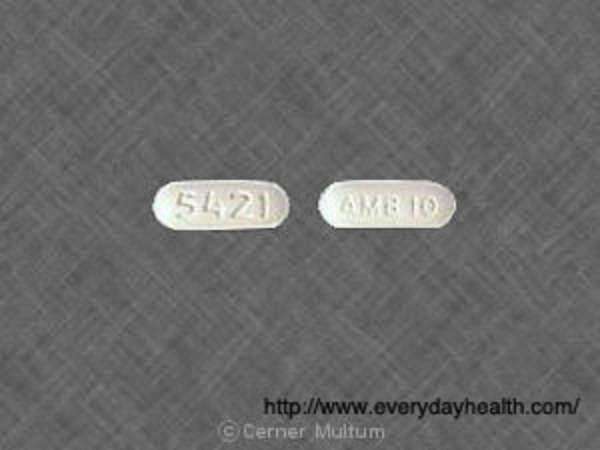
Do not combine any Ambien dosages with alcohol, as this will increase the chances of serious side effects. At all Ambien dose strengths, patients have reported side effects involving sleepwalking and committing other actions they do not remember while asleep. A doctor will prescribe the lowest Ambien dosage they think will be effective to minimize this risk. Ambien dosages should be adjusted as necessary once a physician has had a chance to see how a patient's body responds to treatment.
Whatever Ambien dose is prescribed, inform a doctor if you are still experiencing insomnia after seven to 10 days of treatment have passed. These indicate your insomnia may be the product of underlying medical or psychological problems. You should report any side effects that seem to indicate an allergic reaction whatever your Ambien dosage.
Regardless of the strength of an Ambien dose, there is a possibility that it will exacerbate depression in patients who are already depressed. Report any increased depression or suicidal thoughts to a physician. To minimize the risk of a patient intentionally overdosing as the result of depression, physicians are encouraged to prescribe the lowest possible efficacious Ambien dosage.
Recreational abuse of the drug involves taking more than prescribed of Ambien dosages. Doing so places your body at risk of serious consequences, including attention and adverse reactions which can end in death. Disregarding physician instructions regarding proper Ambien dose ingestion also means that you will be solely responsible for any negative medical consequences. You will not be able to sue the manufacturer or doctor over harmful side effects if you take too many pills, regardless of their Ambien dosage strength.
It is your responsibility to inform a physician of any adverse effects that occur when you begin a regimen of any strength of Ambien dosages. If they fail to take appropriate steps to modify your Ambien dose, they may be responsible for negligence and malpractice if serious health effects ensue. Maintain copies of all prescriptions for Ambien dosages and seek immediate treatment as necessary. Only once you have taken care of your health will you be ready to contact a lawyer regarding litigation concerning the long-term negative effects of an Ambien dosage.