
Home Drugs Page 24

Drugs

Narcotics

Narcotics

What are Narcotics?


Narcotics is a broad term that is associated with opioids, commonly heroin, morphine and their derivatives. As a term, narcotics, is imprecisely clarified; when used in a legal context, a narcotic is a prohibited drug or one that is in direct violation of governmental regulation. From a pharmacological or medical standpoint, the term can refer to psychoactive compounds or any substance that possesses an intoxicating power. 
Narcotics are used for a variety of legal purposes, such as to treat pain, alleviate diarrhea and induce anesthesia. Narcotics are administered in a variety of ways. Some may be taken orally or injected. When used for recreational purposes, narcotics are often snorted, injected or smoked. The effects of narcotics use will depend on the dose, previous exposure to the drug and the route of administration. 
Statutory classifications of drugs as narcotics typically increase the attached penalties for violating particular drug control laws. For example, federal law classifies amphetamines and cocaine as Schedule II drugs, however, the penalties attached to possession of cocaine is more stringent than that of amphetamines, because cocaine—unlike an amphetamine—is classified as a narcotic. The United States, under the nation’s Code of Federal Regulations, defines narcotics as the following:
The term narcotics means any of the following—whether produced directly or indirectly or independently through a chemical synthesis or as a combination of chemical synthesis and extraction:
o Opiates, Opium, derivatives of opium, including their esters, ethers, salts, isomers
o Poppy straw and concentrate of poppy straw
o Cocaine and its salts (Coca leaves)
o Ecgonine, its salts and derivatives
o Any mixture, compound or preparation that contains any quantity of any of the above listed substances.
o A non-narcotic is defined as any drug that relieves pain; non-narcotic allergy medications and narcotic analgesics used to alleviate severe pain are not attached with federal penalties for use, possession or distribution. 
A more informal description of narcotics will simplify the class of drugs—narcotics are a colloquialism used to describe any illegal drug. This confusion between specific terminology and generic use has gotten so out of whack, that many experts have simply replaced “narcotics” with “opioids”. 

The Effects of Narcotics:
Narcotics will affect the human body in a number of ways. The highly addictive nature of the drugs, combined with their ghastly side effects rationalize the stringent regulations placed on the use, possession, manufacturing and distribution of narcotics. Although narcotics may hold specific medical uses, the laws regulating the illegal use (without a prescription) are rigid. Side effects of narcotics include drowsiness, respiratory depression, urinary retention, severe withdrawal symptoms, loss of appetite, cardiac arrest, seizures and in severe cases (common with chronic use) death. 
Even though a recreational user of narcotics will experience an overall sense of euphoria while high, there are several dangers associated with ingestion. The most common dangers associated narcotics are the ever-increasing risk of disease, infection and overdose. With repeated use of narcotics, a user will invariably build a dependency and tolerance towards the drug. The development of tolerance is characterized by a decreased high and a shortened duration of the high. 

Important Facts You Must Know About Street Drugs

Important Facts You Must Know About Street Drugs

What are Street Drugs?


Street Drugs is a colloquial term that is used to
classify an illegal drug that possesses a market of supply and demand in an
urban or suburban environment. Common street drugs include: Crack cocaine,
powder cocaine, marijuana, heroin and ecstasy. These drugs are all illegal in
nature—with the exception of marijuana which has been rendered legal or
decriminalized in 12 states throughout the country—and highly addictive. As a
result of their addictive characteristics, street drugs possess a constant
market—there are always buyers and sellers in a given community.
 

Street drugs are addictive as a result of their
psychological and physical side effects. Although each street drug administers
a different feeling on its user, all street drugs possess some sort of worth to
its buyer. For example, ecstasy transforms the user into a euphoric and
forgiving individual, while marijuana enables the user to relax and put his or
her mind at ease. These psychological side effects, however, are not infinite
in nature and as a result, yield a horrible withdrawal period, causing the user
to become addicted.


What is Recreational Drug Use?


Recreational drug use refers to the use of a drug,
typically a psychoactive substance or street drugs, with the intention of
creating or enhancing an individual’s recreational experience or activity. This
form of use, however, is highly controversial and often labeled as drug abuse,
particularly when the drug in question is classified as a dangerous street
drug. The recreational use of street drugs, in the majority of jurisdictions
throughout the United States, is deemed illegal.
 

The penalties attached to the use, distribution or
possession of street drugs will vary depending on the drug in question, the
quantity and the intent of the individual. In addition, if the individual has a
long history of abusing or selling street drugs the penalties attached will
invariably be more severe.


Classifications of Street Drugs:


Depressants: These types of street drugs are
psychoactive in nature, meaning they temporarily diminish the function or
activity of a specific part of the body or mind. Examples of such effects
include: sedation, anxiolysis and hypotension. Due to these effects, such forms
of street drugs possess a “down” quality to them. These types of street drugs
are held in contrast to “uppers” or stimulants which cause the user to feel a
heightened sense of awareness and an overwhelming feeling of strength.


Antihistamines: These types of street drugs will
inhibit the release or action of histamine; these are legal or over the counter
forms of medication that may be used and sold for an illegal purpose.


Hallucinogens: These types of street drugs can be
subdivided into three broad categories: dissociatives, delirants and
psychedelics. Hallucinogens may cause subjective changes in thought, emotion
consciousness and perception. Unlike other forms of street drugs, this
classification does not merely amplify familiar states of mind, but induces
experiences that differ from ordinary states of consciousness.


Methadone

Methadone

What is Methadone?


Methadone is a synthetic opioid used recreationally and medically as an analgesic and anti-addictive for patients with opioid dependency. Although methadone is different from morphine and heroin in a chemical sense, the drug utilizes the same opioid receptors as these drugs, and thus, yields the same side effects. 
Methadone is a synthetic drug—it is made in a laboratory from various chemicals. As stated above, Methadone behaves like an opiate drug in the human brain. Unlike natural opiates, however, methadone is long-lasting—a characteristic that diminishes the likelihood of a high. Methadone blocks the brain’s receptors that are naturally stimulated by opiates. 
Even with an accepted medical use, Methadone is classified as a Schedule II drug by the United States Federal Government. This legal status is derived from the drug’s potential for abuse; when used improperly, methadone is extremely dangerous. 
Legal Use of Methadone:
Methadone is beneficial in the treatment of opioid dependence. Methadone possesses cross-tolerance qualities with other opioids including morphine and heroin, offering uniform side effects and a long duration of said properties. When taking orally, methadone can mitigate opioid withdrawal syndrome. Moreover, a higher dose of methadone can impede the euphoric effects of morphine, heroin and similar opioids. Because of these properties, when properly administered, methadone can reduce or stop a patient’s use of other addictive opioids. 
The use of methadone is rendered legal in different nations; the drug is commonly used as an analgesic—and as stated before—for opioid dependence. Methadone should never be used to reduce the effects or addiction to methamphetamines, alcohol or cocaine. 
Methadone will be prescribed by licensed medical practitioners for the following reasons:
Methadone may be administered for the treatment of moderate to severe pain if the patient is not responsive to non-narcotic analgesics. 
Methadone may be administered for detoxification treatment for opioid addiction 
Methadone may be administered as treatment for opioid addiction, in conjunction with appropriate medical and social services 
Adverse Effects of Methadone:
The Food and Drug Administration has reviewed reports of life-threatening side effects and even death for patients receiving high doses of methadone. These effects may occur because the drug may build up in the body to a toxic level. Methadone has a series of toxic effects on the heart; physicians who prescribe methadone must be familiar with methadone’s duration of analgesic action (approximately 4 to 8 hours) and toxicities. 
Adverse effects of methadone include the following:
Nausea
Low Blood pressure
Itching, Welling, Skin Rashes
Seizures
Impotence
Hallucinations
Constipation
Headaches
Vomiting
Stomach Pains
Mood Changes
Insomnia
Seizures
Agistation
Legal Status of Methadone:
Methadone has been legally used in the United States to wean patients off of Heroin and Morphine addictions since 1947. Methadone, as defined by the FDA, is a Schedule II controlled substance. This classification denotes Methadone’s medically-accepted use and high potential for addiction and abuse. Because of the drug’s addictive traits, penalties for possession and sale of illegal methadone will be quite harsh. The precise punishments for illegal distribution or use will vary from state to state; however, first possession charges can result in hail time in some areas, while multiple offenses can result in life in prison. 
The FDA requires doctors—who prescribe methadone for treatment—to attend training sessions to better understand the drug’s profile and how to properly prescribe it. Doctors who finish the training are awarded a special license to prescribe methadone to patients. 

Advair 250 50 Dosage

Advair 250 50 Dosage

A brief guide to Advair 250 50 dosages

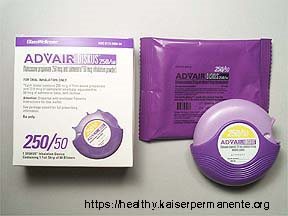
The prescription medication Advair can be assigned in doses of 100, 250 or 500 milligrams (mg) to patients suffering from asthma or other breathing difficulties. The Advair 250 50 dosage is the only dosage level prescribed to patients alternative breathing conditions, such as emphysema. These Advair 250 50 dosages are intended for long-term relief, while Advair dosages for asthma are assigned as short-term relief.

The Advair 250 50 dosage indicates that 250 mg of the drug are its active ingredient, while 50 mg comprise the powder that is ingested. This dry powder medication is ingested through an inhaler. Advair 250 50 dosages are taken twice a day, spaced twelve hours apart. Do not take more than this amount in an attempt to control serious symptoms, which will endanger your health.

If you are asthmatic, you will not initially be prescribed an Advair 250 50 dosage. Instead, you will begin your course of treatment with a 100 mg Advair dosage. If symptoms still persist without any negative side effects, your prescription will be increased to Advair 250 50 dosages. Should this increase still fail to control your symptoms, your Advair 250 50 dosage may be increased to 500 mg. Patients breathing conditions different Asthma, will only be prescribed Advair 250 50 dosages.

Immediately report any adverse effects you notice after beginning a course of treatment. If you have difficulty breathing following ingestion of an Advair 250 50 dosage and an emergency inhaler does not help, visit an emergency room or other medical care facility immediately. Be alert to skin rashes or other dermatological conditions that result after beginning your course of Advair 250 50 dosages. These are indications that your body is experiencing an allergic reaction to an Advair 250 50 dosage and you may need to discontinue use.

Whatever the strength of your prescription, extended use of the drug by asthmatics increases the risk of asthma-related fatality. Once Advair 250 50 dosages have curtailed your serious symptoms, a doctor will create a plan to slow down and discontinue use of the medication entirely. Prolonged ingestion of an Advair 250 50 dosage can also weaken your immune system, increasing your risk for pneumonia and other illnesses. Report any feeling of weakness or sickness to your doctor immediately.

Proper supervision by a physician when taking Advair 250 50 dosages should include warning you about all potential adverse effects and discontinuing use as indicated. If a doctor does not safeguard your health and serious side effects ensue, you may have grounds for a malpractice lawsuit. Consult a lawyer if you wish to consider a lawsuit relating to ingestion of an Advair 250 50 dosage. Do not attempt self-representation in an attempt to save money. Proving a direct connection between your medication and long-lasting health damage is a complicated task best handled by a lawyer experienced in such litigation.


Adipex Online

Adipex Online

How to buy Adipex online

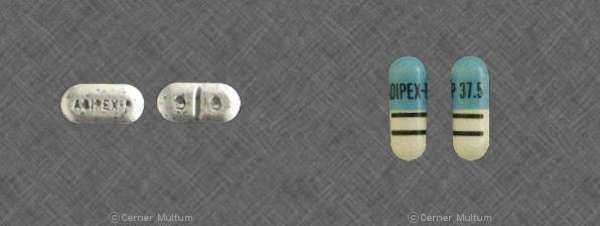
Designed to help morbidly obese people lose weight in combination with diet and exercise, the prescription medication Adipex can be expensive to purchase. Finding a legitimate source for the purchase of Adipex online is not a simple process. The bulk of online pharmacies are not legitimate or located overseas—both should be avoided. It is not advisable to try to buy Adipex online without guidance from your physician.

There are several reasons you may wish to purchase this drug over the internet. It may be possible to find a cheaper price for Adipex online than you are able to find in your area. It is important to find out how much your insurance policy will cover for use of this drug. Depending on your coverage, you may not have to worry about determining how to buy Adipex online.

If local pharmacies are too expensive or not readily accessible, you should consult with your physician about cheaper alternatives. A doctor may be able to recommend a reliable service for Adipex online. Pharmacies which sell medication over the internet should be registered with the National Association of Boards of Pharmacy. Any pharmacy which you are considering as a source to buy Adipex online should not sell you this medication without a prescription from a physician. Selling medication to those without a prescription is illegal.

Do not seek out Adipex online from pharmacies which are not based in the United States. Such businesses may not be legitimate. If you buy Adipex online from a pharmacy based in another country, you cannot be sure that you are receiving what you paid for. These companies are also not subject to American regulatory practices. Should you be harmed as the result of obtaining Adipex online from a foreign source, you are unlikely to be able to sue for compensation.

It is illegal to attempt to obtain this medication without a prescription. When you buy Adipex online without medical guidance, you risk your health as well as legal action. Taking this action is a criminal offense. Purchasing Adipex online without a prescription means you risk criminal prosecution if discovered. Additionally, you may be the victim of credit card fraud or unauthorized charges. If this is the case when you buy Adipex online without a prescription, you are unlikely to be able to take legal action to recover this money.

Patients who are harmed by treatment after the purchase of Adipex online may be able to sue for damages assuming they have followed a physician's guidelines. In the unlikely event that a legitimate provider has shipped defective or harmful medication, they can be sued for their negligence. However, the general target for a lawsuit stemming from harmful effects if you buy Adipex online will be the manufacturer of the drug.

In order to litigate over effects related to the purchase of Adipex online, you must maintain copies of all physician reports. These will be essential for a lawyer to demonstrate a direct link between adverse effects and your consumption of the drug.


Adipex Side Effects

Adipex Side Effects


A Brief Guide to Adipex Side Effects

Like any prescription medication, the use of the appetite suppressant Adipex must be carefully monitored to guard against adverse effects. The side effects of Adipex vary in severity. Contacting your medical doctor or healthcare provider is suggested if you notice any alterations in your normal bodily function following Apidex use.  

One of the most dangerous Adipex side effects is addiction. Chemical reliance on Apidex, like the bulk of amphetamines, is a very real possibility. To help Apidex addiction, your doctor will question you about you family histories of drug abuse or addiction. If addiction history is present, your doctor will search for an alternative.

Some of the potential Adipex side effects are not unique to the drug. Reactions such as insomnia and nausea are common to several prescription medications. The side effects of Adipex may indicate that you may need to discontinue use; however, only a physician will determine whether your Apidex side effects warrant a termination of your prescription.

Other Adipex side effects are more serious and will require immediate medical attention. These serious Apidex side effects include serious mood swings, depression and heart palpitations. Serious Apidex side effects must be reported to a physician as soon as you observe them. Other serious side effects of Adipex include blurred vision and seizures.

The most serious potential side effects associated with Apidex are rare. Adipex side effects, including allergic reactions, are an immediate and serious threat to your health. The side effects of Adipex generally take the form of a rash or, in more extreme cases, hives. Additionally, Adipex side effects could result in increased blood pressure in your lungs, known as "pulmonary hypertension." This particular reaction can lead to potentially fatal consequences. Any alterations in your skin or heart rate will indicate serious side effects of Adipex.

If, after using Apidex, you notice any of the above side effects, you may opt to pursue compensation through civil litigation. You are unlikely to be successful in suing the drug's manufacturer over Adipex side effects without the guidance of a lawyer skilled in such litigation. Should you desire to obtain damages for a drug's negative consequences, gather your medical records and speak to a lawyer. Demonstrating direct cause and effect in such matters to the satisfaction of the law is complicated and too difficult for non-lawyers to do properly.