Identifying and Treating Drug Abuse
📅 2026 Update: Changes in Drug Abuse Treatment and Guidelines
Since the original article was published, important updates have occurred regarding drug abuse treatment in the U.S. The Centers for Disease Control and Prevention (CDC) has made significant changes to guidelines and highlighted new statistics about substance use disorders. These updates are crucial for understanding the current landscape of drug abuse treatment.
The earlier article continues further down the page, providing foundational information on drug abuse, treatment options, and legal aspects.
🏥 New CDC Guidelines for Opioid Use Disorder
On April 9, 2024, the CDC updated its guidelines on treating opioid use disorder (OUD). The new guidelines stress the importance of medication treatment to lower the risk of overdose and mortality. This shift reflects a growing recognition of the effectiveness of medication-assisted treatment (MAT) in reducing the dangers associated with opioid misuse.
📊 Substance Use Disorder Statistics
According to new data released on April 25, 2024, over one in six Americans aged 12 or older reported experiencing a substance use disorder in 2022. This statistic underscores the widespread impact of substance abuse across the country, highlighting the need for effective treatment and support services.
💰 Costs of Medication-Assisted Treatment
The cost of medication-assisted treatment can vary depending on the medication and setting. For example, methadone treatment often involves daily visits to a federally regulated program, which can lead to additional transportation and time costs. Understanding these financial aspects is crucial for those seeking help.
📝 Steps in Medication Treatments
Medication treatments for OUD typically follow several steps:
- 🩺 Assessment: A healthcare provider evaluates the patient to determine the appropriate medication.
- 💊 Initiation: The medication regimen begins under medical supervision.
- 🔄 Maintenance: Continuous monitoring and dosage adjustments occur as needed.
- 🚫 Discontinuation: Gradual tapering off the medication is done when appropriate.
📌 Key Points on Drug Abuse Treatment
- 🏥 New CDC guidelines emphasize medication treatment for opioid use disorder.
- 📊 Over one in six Americans reported a substance use disorder in 2022.
- 💰 Costs for medication-assisted treatment can vary widely.
- 📝 The treatment process involves assessment, initiation, maintenance, and discontinuation.
- 💊 Awareness of these factors is vital for those seeking help.
💡 Tips for Identifying and Treating Drug Abuse
For personalized support, go over the details of your situation with your attorney.
🕵️♀️ Recognize Signs of Substance Use Disorder
Being aware of the signs can help in identifying substance use issues. Common indicators include changes in behavior, mood swings, and neglecting responsibilities. Early recognition is key to seeking help.
🚑 Seek Professional Help
If you or someone you know is struggling with substance use, consider professional help. Medical professionals can provide assessments and recommend appropriate treatment options tailored to individual needs.
💊 Consider Medication-Assisted Treatment
Medication-assisted treatment combines FDA-approved medications with counseling. This approach can significantly reduce the risk of overdose and improve long-term recovery outcomes for those with opioid use disorder.
📝 Stay Informed About Treatment Options
Knowledge about available treatment options is essential. FDA-approved medications for OUD include buprenorphine, methadone, and naltrexone. Knowing these options can empower individuals in their recovery journey.
📅 Don't Delay Treatment
Timely initiation of treatment is crucial. Delays can increase the risk of relapse and worsen the condition. If you suspect a substance use disorder, seek help as soon as possible.
📞 Utilize Free Resources
Take advantage of free resources available for addiction treatment. Organizations like SAMHSA provide tools to find local treatment facilities and support services without any cost.
🏆 Free Options Ranked by User Reviews (2026)
No national paid service in this area met the review threshold, so this section lists free government and nonprofit resources named in FACTS instead.
🥇 1. SAMHSA Treatment Locator
The Substance Abuse and Mental Health Services Administration (SAMHSA) offers a treatment locator tool. This resource helps individuals find local treatment facilities for substance use disorders. It is user-friendly and provides essential information for those seeking help.
🥈 2. National Institute on Drug Abuse (NIDA)
NIDA provides a wealth of information and resources on addiction treatment and recovery. Their materials aim to educate the public about drug abuse and its effects. This organization serves as a valuable resource for anyone looking for reliable information.
🔎 What to Check Before Paying for Help
- 💵 Understand the costs of treatment options.
- 📍 Verify the credentials of the facility or provider.
- 🧩 Assess the types of services offered for your needs.
- 📞 Confirm availability and wait times for treatment.
- 📄 Read reviews or testimonials from previous clients.
❓ Frequently Asked Questions
❓ What are the signs of opioid use disorder?
Signs of opioid use disorder can include increased tolerance, withdrawal symptoms, and neglecting responsibilities. Observing these signs early can lead to timely intervention.
🔍 How can I find a treatment facility?
You can use the SAMHSA Treatment Locator to find local treatment facilities. This tool provides information on available resources in your area.
💊 What medications are used in MAT?
FDA-approved medications for medication-assisted treatment include buprenorphine, methadone, and naltrexone. Each medication has specific guidelines for use and eligibility.
📅 How long does MAT enrollment take?
Enrollment in an opioid treatment program can take several days to weeks. This timeline may vary based on program availability and individual readiness.
💬 Can I use Ambien for long-term treatment?
Long-term use of Ambien is not recommended due to the risk of dependence. Treatment should be as short as possible to avoid potential withdrawal symptoms.
⚠️ What should I know about Ambien and alcohol?
Using Ambien with alcohol is not recommended. This combination can increase sedation and lead to complex sleep behaviors, which can be dangerous.
⚖️ Recent Cases Related to Drug Abuse Treatment
Recent court rulings have impacted the landscape of drug abuse treatment and opioid use disorder regulations. These rulings address various aspects of treatment access and medication distribution.
- New York court affirms conviction in drug possession caseAppellate Division of the Supreme Court of the State of New York · May 21, 2026
- New York court dismisses drug possession indictment due to errorAppellate Division of the Supreme Court of the State of New York · May 14, 2026
- New York court upholds drug conviction of Bilal GilyardAppellate Division of the Supreme Court of the State of New York · May 7, 2026
- New York court reduces sentence for woman in drug caseAppellate Division of the Supreme Court of the State of New York · May 7, 2026
Readers can browse more rulings on the news page for up-to-date information on recent court decisions.
End of October 2026 Update
What is Drug Abuse?
Drug Abuse is a medical classification implemented with regard to the classification of the rate of drug usage undertaken by an individual in conjunction with the nature of the substance habitually used by an individual – or individuals – suspected of drug abuse.
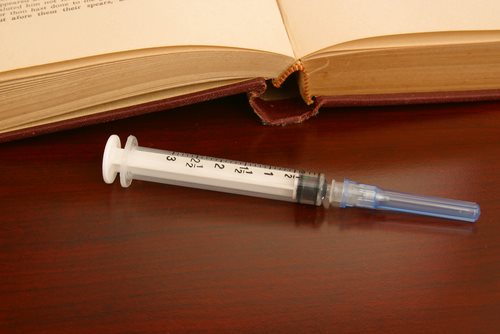
This process of drug abuse determination undertaken by medical professionals and drug counselors utilizes a wide range of factors, analysis, and observation of habitual behaviors concerning both the usage, as well as the reliance on illegal drugs. Due to the fact that drug abuse is considered as rooted within the psychological profile of an individual, as well as their physiology, the classification of the risks, levels, and severity of drug abuse is rarely uniform:
The Identification of Drug Abuse
The National Institute on Drug Abuse (NIDA) has furnished 4 primary parameters that may be implemented with regard to the analysis of the degree – or determination of drug abuse undertaken by an individual; although these parameters are not uniform in nature, they allow for a catchall categorization allowing for introductory analysis of drug abuse:
Compromised priorities; individuals considered to be at risk for the development of a drug abuse problem are observed to allow their daily responsibilities and interest to fall to the wayside in lieu of searching for – or using illegal drugs or controlled substances
Recklessness; individuals considered to be at risk for the development of a drug abuse problem are observed to participate in dangerous, reckless, and generally risky behavior and activity upon the search for – or subsequent to the ingestion of illegal drugs or controlled substances; this may include the participation in unsafe sexual relations or operating a motor vehicle under the influence of drugs
Criminal Behavior; individuals considered to be at risk for the development of a drug abuse problem are observed to be subject to legal troubles, arrests, and punitive recourse concerning their use of illegal drugs or controlled substances – in many cases, individuals who have previously been without any legal trouble are commonly observed to develop criminal patterns of behavior in conjunction to drug use
Destruction of Networks; individuals considered to be at risk for the development of a drug abuse problem are observed to experience the bulk of their personal relationships - ranging from familial to romantic, to fall victim to their suspected drug abuse; in many cases, personal relationships will not only suffer, but also dissipate with regard to the life choices undertaken by the individual suspected of drug abuse
Drug Abuse: Getting Help and Treatment
The analysis of drug abuse statistics furnished by government reports illustrate that not only the use and abuse of both illegal drugs and controlled substances is a growing epidemic within the United States of America, but also the proliferation of the illegal trade, sale, and purchase of illegal drugs enables potential circumstances within which drug abuse may result:
Drug Abuse Rehabilitation
Drug Rehabilitation Treatment Centers are facilities providing resources, programs, treatment, and rehabilitation for individuals suffering from drug addiction and drug abuse; due to the varying degree of addictedness to which the vast expanse of both illegal drugs, as well as controlled substances are classified, drug rehab treatment centers offer a wide range of treatment programs suited to meet the needs of individual cases of drug abuse and addiction.