Prozac
📅 2026 Update: Changes in Telemedicine and Drug Regulations
Since the article on Prozac was written, several important changes have occurred regarding drug regulations and telehealth practices in the U.S. These changes affect how controlled substances are prescribed and accessed. The original article continues further down this page, providing a foundation for understanding these developments.
🩺 📱 Telemedicine Flexibilities Extended
The U.S. Department of Health and Human Services (HHS) and the Drug Enforcement Administration (DEA) have extended telemedicine flexibilities for prescribing controlled substances through December 31, 2026. This change allows registered practitioners to prescribe medications classified as Schedule II-V without requiring a prior in-person visit, making access to these medications easier for patients.
💊 📅 Permanent Buprenorphine Prescribing Rule
On January 17, 2025, a final rule was issued by the DEA and HHS that permanently allows telemedicine prescribing of buprenorphine. This medication is commonly used to treat opioid use disorder. With this rule in place, patients can continue to receive necessary treatment through virtual consultations.
🧠 ✔️ Mental Health Parity Strengthened
New rules under the Mental Health Parity and Addiction Equity Act (MHPAEA) were released on September 9, 2024. These rules aim to create a balance between benefits for mental health, substance use disorders, and medical/surgical benefits. They became effective on November 22, 2024, ensuring that health plans cannot impose stricter limitations on mental health treatment than on standard medical care.
🏥 📝 Eligibility for Telehealth Services
To be eligible for telehealth prescriptions for controlled substances, patients must have a video consultation with a DEA-registered practitioner. This requirement ensures that practitioners assess the patient's medical history and current condition before prescribing. For buprenorphine treatment via telemedicine, eligibility also hinges on the patient's medical background and the provider's evaluation.
📌 Key Points to Remember
- 🗓️ Telemedicine flexibilities for controlled substances extend to December 31, 2026.
- 💊 Buprenorphine can be prescribed via telemedicine permanently since January 2025.
- 🧠 New rules strengthen mental health and substance use disorder benefits.
- 👩⚕️ Eligibility for telehealth prescriptions requires a video consultation with a registered practitioner.
- 📅 Patients can seek buprenorphine treatment via telemedicine without specific deadlines.
💡 Tips for Navigating Telehealth and Prescription Medications
Reviewing your specific situation is essential, and it's important to speak with an attorney to ensure you understand your rights and options.
🩺 🖥️ Understand Telehealth Opportunities
Telehealth services have made it easier to access medications like buprenorphine. Patients should explore telemedicine platforms that offer these services to find convenient treatment options.
💰 📊 Check Costs and Fees
The cost of telehealth consultations for controlled substances varies by provider. Some may have subscription models while others charge per visit. It’s best to inquire directly about pricing before scheduling an appointment.
📝 📅 Prepare for Your Consultation
Before your telehealth appointment, gather necessary medical records and a list of current medications. This information will help your practitioner assess your needs during the video consultation.
🔍 🏥 Verify Provider Credentials
Make sure to confirm that your telehealth provider is registered with the DEA. This ensures they have the authority to prescribe controlled substances during your consultation.
📞 🆘 Utilize Government Resources
If you need help with substance use disorder treatment, consider reaching out to the Substance Abuse and Mental Health Services Administration (SAMHSA). They offer a national helpline that can provide resources and referrals.
🏆 Telehealth and Prescription Services Ranked by User Reviews (2026)
This section lists services related to mental health and telemedicine, particularly those relevant to prescription medications like Prozac. The ratings are based on Trustpilot data verified in October 2026. Remember that review scores can change, and unhappy customers often leave more feedback, which can influence overall ratings.
🥇 1. LifeStance Health
LifeStance Health has been rated 4.0. This service is recognized for its mental health offerings, including therapy, psychiatry, and telehealth services. Reviewers note that while many appreciate the range of services, there are reports of inconsistent service quality and challenges with appointment availability.
🥈 2. Talkiatry
Talkiatry holds a score of 2.4. It is known for providing online psychiatry services and medication management with flexible scheduling. However, some users have pointed out limited insurance coverage and variable clinician quality as concerns when using their services.
🥉 3. Direct Meds
Direct Meds has a strong rating of 4.6. This service specializes in GLP-1 telehealth and compounded medications. Reviewers appreciate the quality verification process, but caution about limited insurance acceptance and potential side effects of the medications offered.
4️⃣ Hims & Hers Health
Hims & Hers Health averages a score of 3.0. The service provides online healthcare solutions, including prescription medications and personal care products. Reviewers have expressed concerns about customer service and product effectiveness, affecting their overall satisfaction.
🆓 Free Government and Nonprofit Help
The U.S. Department of Labor offers resources regarding the Mental Health Parity and Addiction Equity Act (MHPAEA). Additionally, the Substance Abuse and Mental Health Services Administration (SAMHSA) provides a national helpline for individuals seeking treatment information and referrals for mental health and substance use disorders.
🔎 Comparing Telehealth Services
- 📋 Check the provider's reputation and read user reviews.
- 🏷️ Look at the costs for consultations and medication.
- 🧑⚕️ Confirm if the provider is DEA-registered for prescribing controlled substances.
- 📞 Assess the availability of customer support for any questions.
- 📅 Review the ease of scheduling appointments and consultations.
❓ Frequently Asked Questions
🤔 What is the process for getting a prescription via telehealth?
Patients must have a video consultation with a DEA-registered practitioner. During this consultation, the practitioner will assess the patient’s medical history and decide if a prescription is appropriate.
🧑⚕️ Can I get buprenorphine via telemedicine?
Yes, buprenorphine can now be prescribed via telemedicine due to new regulations. This allows patients with opioid use disorder to receive treatment conveniently through virtual consultations.
🏥 Are telehealth services covered by insurance?
Coverage for telehealth services can vary by provider and insurance plan. It’s important to check with your insurance company to understand what is covered regarding telehealth consultations and prescriptions.
📅 What are the eligibility criteria for telehealth prescriptions?
To be eligible for telehealth prescriptions, the prescribing practitioner must be registered with the DEA, and the patient must participate in a video consultation to evaluate their medical needs.
💬 What resources are available for substance use disorder treatment?
The Substance Abuse and Mental Health Services Administration (SAMHSA) offers a national helpline for individuals seeking information and referrals for mental health and substance use disorders.
📜 How do I find a reputable telehealth provider?
Look for providers with good ratings on platforms like Trustpilot. Check for DEA registration and read reviews to ensure the provider meets your needs and expectations.
⚖️ Recent Cases Related to Drug Regulations
Recent court rulings have addressed issues surrounding drug regulations and telehealth practices, impacting how controlled substances are prescribed. These decisions are essential for understanding the evolving landscape of drug policy in the U.S.
- Ohio Court upholds drug trafficking conviction of MurphyOhio Court of Appeals · July 6, 2026
- Ohio Court upholds conviction of Adrienne L. Jordan in drug caseOhio Court of Appeals · July 1, 2026
- Ohio Court upholds cocaine possession conviction of JohnsonOhio Court of Appeals · July 1, 2026
- Ohio Court upholds drug conviction of Travell JohnsonOhio Court of Appeals · July 14, 2026
For more information on recent rulings, feel free to check more rulings on the news page.
End of October 2026 Update
What is Prozac?
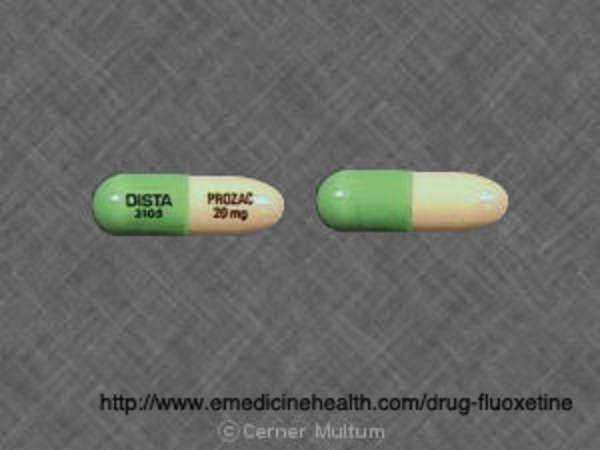
Prozac (Fluoxetine) is a drug used to treat depression, panic attacks, obsessive-compulsive disorder (perpetual bothersome thoughts that are only cured through the performance of certain actions over and over) and some eating disorders. Prozac is used to alleviate the symptoms of premenstrual dysphoric disorders, including irritability, bloating, mood swings and tenderness of the breasts. Prozac is in a class of drugs/medications called selective serotonin reuptake inhibitors. Prozac is effective because it increases the amount of serotonin, which is a natural substance of the brain that helps maintain mental balance.
How Should Prozac be used?
Prozac is administered as a tablet, a capsule, as a timed-release pill or as a liquid to be consumed via oral administration. Prozac may be taken with or without food. Prozac is typically taken once a day in the morning or twice a day (in the morning and at noon). The timed-release version of Prozac should only be taken once a week. If you are prescribed Prozac, you should take it around the same time every day. Please follow the directions on the prescription label and ask your doctor to explain any parts of the process that you are confused about. Never take more or less of the drug than what is prescribed by your doctor.
It often takes 4 to 6 weeks to feel the full effects of Prozac. Regardless of how you feel, you should continue to take Prozac so long as your doctor recommends it. Never stop administration without first consulting with your doctor. If you suddenly stop taking Prozac you may experience severe withdrawal symptoms, including irritability, agitation, dizziness, numbness of the hands or feet, anxiety, confusion, tiredness, difficulty falling asleep, difficult staying asleep, sudden mood changes, agitation, tingling or numbness in the feet or hands, confusion, headaches, tiredness and anxiety.
Before Taking Prozac Please Observe the Following Precautions:
Before taking Prozac:
•Inform your doctor if you are allergic to any medications
•Notify your doctor if you are taking Orap, monoamine oxidase or thioridazine or other inhibitors such as Marplan, Nardil, Eldepryl, Zelapar and Parnate. If you are taking any of these drugs or have just recently stopped taking them, your doctor will probably inform you that you should not take Prozac. If you stop taking Prozac, it is strongly recommended that you wait at least five weeks before taking monoamine oxidase inhibitors.
•Notify your doctor if you are taking any other prescription or nonprescription medication and/or vitamin. Mention anything and everything you are taking.
•Inform your doctor as to any supplements and/or herbal products you are taking, especially products that contain tryptophan or St. john’s wort.
•Tell your doctor if you are pregnant or planning on becoming pregnant. Prozac may impose problems in newborns following delivery if the drug is taken during the latter stages of the pregnancy.
•Talk to your doctor regarding the benefits and risks of Prozac; you should have this conversation daily if you are over the age of 65. Older patients should not take Prozac on a daily basis because it is not safe to be used with other medications that are administered for similar treatment purposes.
•Understand that Prozac will make you drowsy. Never operate a car or heavy machinery without understanding how Prozac affects you. Remember that consuming alcohol will add to the drowsiness caused by Prozac.
Side Effects Caused by Prozac:
Prozac may cause side effects; please tell your doctor if any of these symptoms are persistent or severe:
•Nausea
•Drowsiness
•Weakness
•Sore Throat
•Dry Mouth
•Uncontrollable shaking of the body
•Weakened appetite
•Excessive Sweating
•Changes in sex drive
•Weight Loss
Aside from these side effects, Prozac may yield more severe side effects. If you experience any of the following symptoms, please contact your doctor immediately:
•Hives
•Fever
•Joint Pain
•Rash
•Difficulty swallowing or breathing
•Swelling of the throat, tongue, lips, hands, feet, eyes, ankles, lower legs or hands
•Confusion, sweating, irregular heartbeat and/or severe muscle stiffness
•Seizures
•Hearing voices or seeing things that do not exist (hallucinations)
In addition to the symptoms mentioned above, Prozac may cause other side effects. In general, if your experience any irregular bodily functions or feelings, please contact your doctor. If you experience serious side effects, you or your medical professional may file reports with the United States Food and Drug Administration. To file reports, please visit the MedWatch Adverse Event Program online or via telephone at 1-800-332-1088.
In case of an overdose or other medical emergency, please contact your local poison control center at 1-800-222-1222. If you come across a victim of an overdose who is not breathing, please call emergency services at 911. Typical signs of a Prozac overdose include:
•Confusion
•Nervousness
•Unresponsiveness
•Fever
•Fainting
•Rapid or pounding heartbeat
•Uncontrollable shaking of the body
Legal Issues and Warnings Associated with Prozac:
It must be stated that a small number of young adults, teenagers and children (up to 24 years of age) who take antidepressants (such as Prozac) are susceptible to becoming suicidal. In numerous studies it has been revealed that children, teens and young adults who are administered antidepressants to treat mental illness or depression may be more likely to become suicidal than children, teens and young adults who do not take said medication. That being said, experts are still unclear as to how significant the risk is and how much it should be weighed when deciding whether a young person should be placed on antidepressants.
Before taking Prozac, please understand that your mental health is susceptible to changing in unexpected ways. You may become suicidal, especially during the beginning stages of your treatment and during any dose fluctuations. If you experience any severe alterations in your mood, you must immediately consult your doctor. Also, understand that your insurance provider will want to observe and meet with you while on Prozac. Be sure to maintain all appointments for visits with your medical representatives and doctors.