List of Drugs At A Glance
📅 2026 Update: Changes in Drug Regulations and Policies
Since the original article was published, there have been several important updates related to drug laws and policies in the U.S. These changes impact areas such as controlled substances, drug crimes, and addiction treatment. The earlier article continues further down the page for more foundational information.
🌿 1. Marijuana Laws Evolve
Marijuana laws continue to change across the country. As of 2026, several states have fully legalized recreational use. Others allow medical use only.
These changes affect how marijuana is treated under federal law, though it remains a controlled substance.
- 📊 State-specific regulations: Each state has its own rules on possession limits, usage, and sales. Make sure to check local regulations.
🏥 2. Prescription Drugs: New Regulations
The regulation of prescription drugs has seen updates to safety protocols and approval processes. This aims to improve patient safety and streamline access to necessary medications.
- 📋 FDA updates: The U.S. Food and Drug Administration (FDA) regularly releases new guidelines for prescription drugs. Keeping informed can help users understand safety and usage.
🚨 3. Drug Crime Penalties Adjust
Changes in drug crime penalties have occurred as states reassess their approaches to drug-related offenses. Some states are reducing penalties for minor offenses, while others are implementing harsher sentences for serious crimes.
- ⚖️ Disparities by state: Penalties can vary widely by location, impacting how laws are enforced.
🧠 4. Focus on Addiction Treatment
There has been a renewed focus on addiction treatment and mental health services. Organizations are working to improve accessibility and effectiveness of treatment options.
- 🌐 SAMHSA resources: The Substance Abuse and Mental Health Services Administration (SAMHSA) offers support and resources for those seeking help with addiction.
📌 5. Key Updates Summary
- 🌱 Marijuana laws are evolving, with many states legalizing use.
- 💊 Prescription drug regulations are being updated for safety.
- ⚖️ Drug crime penalties are being reassessed in various states.
- 🧠 Improved focus on addiction treatment and mental health support.
- 🔍 Staying informed is crucial for understanding these changes.
💡 Tips for Understanding Drug Laws and Policies
Review the details of your specific situation with your attorney.
📜 1. Stay Informed About Local Laws
Drug laws can differ from state to state. Keeping up with local regulations ensures you understand your rights and responsibilities.
🏷️ 2. Know the Classification of Drugs
Understanding how drugs are classified helps clarify legal implications. Controlled substances have stricter regulations than others, which can affect possession and usage.
📅 3. Monitor Changes in Prescription Drug Policies
Changes in prescription drug policies can impact what medications are available and how they are prescribed. Regularly check resources like the FDA for updates.
🧑⚕️ 4. Utilize Addiction Resources
If you or someone you know is struggling with addiction, seek help from organizations like SAMHSA. They provide a variety of services and can connect you with treatment options.
🛡️ 5. Understand Your Rights in Drug Cases
Knowing your rights in drug-related legal situations is essential. Being informed can help you navigate any legal challenges you may face.
🔍 6. Research Medical Conditions and Drug Treatments
Many prescription drugs are tied to specific medical conditions. Researching these can help you understand their purposes and any related laws.
🏆 Free Options Ranked by User Reviews (2026)
No national paid services met the review threshold for this topic. Instead, this section highlights free government and nonprofit resources that provide support related to drug laws and addiction treatment.
🥇 1. U.S. Food and Drug Administration (FDA)
The FDA offers vital information on prescription drugs. This includes drug approvals, safety updates, and guidelines for usage. Their resources help consumers and healthcare providers stay informed about medications.
🥈 2. National Institute on Drug Abuse (NIDA)
NIDA provides insights into drug use and addiction. They offer valuable information about treatment options and the effects of various substances. Their research is geared toward education and prevention.
🥉 3. Centers for Disease Control and Prevention (CDC)
The CDC focuses on public health data, including drug-related health issues. They provide statistics and resources that can inform policy and health initiatives, helping to combat drug abuse.
4️⃣ Substance Abuse and Mental Health Services Administration (SAMHSA)
SAMHSA offers resources for addiction treatment and mental health services. They connect individuals with treatment options and provide educational materials to raise awareness about addiction.
5️⃣ National Institutes of Health (NIH)
NIH conducts research on health topics, including prescription drugs. Their findings help guide public understanding and inform policies related to drug use and addiction.
🔎 What to Check Before Paying for Help
- 🔍 Look for free resources available from government organizations.
- 📋 Verify the credentials of any organization offering assistance.
- 💬 Read reviews to gauge the effectiveness of services.
- 📖 Compare services to ensure you choose the best option for your needs.
❓ Frequently Asked Questions
❓ What are the current penalties for drug offenses?
Penalties for drug offenses can vary by state. Many states are re-evaluating their laws, resulting in reduced penalties for minor offenses.
🌱 How does marijuana legalization affect prescription drugs?
Marijuana legalization can impact the prescription of certain drugs. Patients should discuss their medication options with healthcare providers to avoid potential interactions.
💊 What should I know about prescription drug safety?
Prescription drug safety is governed by regulations from the FDA. It’s important to stay informed about any warnings or updates regarding medications.
🧠 How can I find addiction treatment services?
You can find addiction treatment services through organizations like SAMHSA. They offer a range of resources and can help connect individuals to treatment options.
📊 Are there any recent changes in drug classification?
Changes in drug classification may occur as new research emerges. Keeping up with updates from the FDA can help you stay informed.
⚖️ What rights do I have if I’m charged with a drug crime?
Your rights in drug-related cases will depend on state laws. Understanding these rights can help you navigate any legal challenges you may face.
⚖️ Recent Court Cases Related to Drug Laws
Recent court rulings have clarified some aspects of drug laws, influencing how they are applied in various cases. These rulings connect directly to the ongoing conversations around drug crimes and penalties.
- Ohio Court of Appeals rules in drug possession caseOhio Court of Appeals · July 9, 2026
- Ohio Court upholds sentence for Demetrius Rucker in drug caseOhio Court of Appeals · July 16, 2026
- Ohio Court upholds drug conviction of Curtis SimmonsOhio Court of Appeals · July 20, 2026
- Ohio Court upholds conviction of Walter Galloway for fentanylOhio Court of Appeals · July 20, 2026
Explore more recent rulings in the news section: more rulings on the news page.
End of October 2026 Update
List of Drugs
What are Drugs?
A drug, in a broad sense, is any substance that, when ingested or absorbed into the body, alters normal bodily functions. There is no single definition, as there are different meanings, throughout government bodies, various regulations, and the field of medicine, society and drug control law. In the simplest sense, however, drugs can be classified in two extremely broad categories: illegal drugs, that are taken or distributed for recreational purposes and legal drugs, or medicines that are taken to subdue ailments or medical conditions. The following represents a list of drugs that are commonly taken for recreational purposes and are deemed illegal by the majority of societies throughout the world.
Marijuana
Marijuana is a naturally occurring, controlled-substance which is classified as a plant that sprouts from Marijuana seeds; when answering the question of ‘How to grow Marijuana?’ individuals granted the expressed permission to grow Marijuana do so upon the employment of a cross-fertilization process:
How to Grow Marijuana?
Unless granted the expressed permission by applicable, governmental departments, the act(s) of growing, possessing, using, selling, transporting, or buying Marijuana is a punishable and illegal act
Heroin
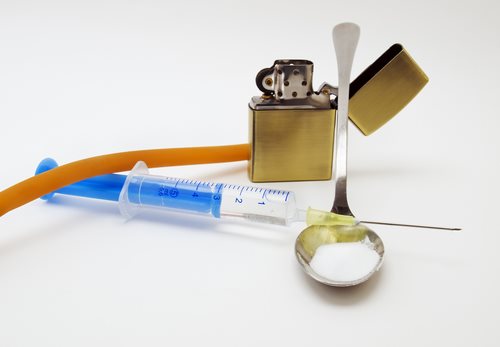
Heroin is a byproduct of opium; upon the extraction of morphine – which is inherent to the naturally-occurring Poppy Plant – this substance can be ingested in a variety of methods. Despite the effects of Heroin, which have been classified as a sedating and numbing, Heroin is considered to be one of the most addictive drugs in circulation.
How is Heroin Administered?
Heroine can be smoked or ingested through the nasal cavity; however, a prominent form of Heroin usage involves its injection through the use of intravenous needles – this method of usage has accounted for a multitude of contracted diseases and infections
What are the Dangers of Heroin?
The dangers of Heroin are vast; they can range from psychological devastation to physical damage. Consistent Heroin usage results in an advanced tolerance to the drug on the part of the user, requiring them to gradually increase the amount of the drug needed to achieve the desired results – the has accounted for a multitude of Heroin-related death as a resulting from an overdose of the drug
Methamphetamine
Methamphetamine – also known as ‘Meth’ – is a chemical-based drug that can be created from a variety of toxic chemicals that are considered to be deadly upon human ingestion. Meth has been held responsible for a variety of crimes, changes in behavior, injuries, and deaths resulting from its usage; Meth is considered to be one of the most addictive drugs currently in circulation
What are the Effects of Meth?
Meth users report an initial sense of energy, which can last for undisclosed amounts of time; subsequent to a Meth high, there have been reports of users experiencing insomnia, rage, nausea, harmful behavior, and an inability to controls one’s thoughts or actions
Cocaine
Cocaine is derived from the Coca leaf found on the Coca plant; the leaf is dried, pulverized, and reduced to powder form; users of the drug have reported its effects to include alertness, euphoria, increased talkativeness, agitation, increased energy, and insomnia - Cocaine is an illegal drug, which is unlawful to possess under any circumstance
Is Cocaine Naturally-Occurring?
Although Cocaine is a byproduct of the Coca Leaf that is abundant in South America, it is typically synthetically altered
What are the Punishment for Cocaine Offenses?
The offenses attributed to Cocaine can include any of the following punitive measures: probation, random drug screening, fines, incarceration, mandatory rehabilitation, mandatory drug treatment programs, and the loss of license in the event of a Cocaine-DUI