Guide to FDA.gov (Food and Drug Administration)
📅 2026 Update: Changes in Drug Policy and Regulation
Since the original article was written, there have been some important changes in the landscape of drug policy and regulation in the United States. New developments in controlled substances, drug crimes, and marijuana laws are making headlines. The earlier article provides foundational knowledge, which you can find further down the page.
🌿 1. Evolving Marijuana Laws
Marijuana laws continue to change across the United States. As of October 2026, several states have legalized recreational marijuana, while others are expanding medical marijuana programs. These laws vary widely, impacting enforcement and legal use.
- 🌍 State Variations: Each state has its own rules regarding possession limits, sales, and use.
- 📈 Increased Acceptance: Public opinion is shifting toward favoring legalization and decriminalization.
⚖️ 2. Updates on Controlled Substances
The classification of controlled substances can change based on new research and public health needs. Recent changes have seen certain drugs being reclassified, affecting how they are regulated.
- 📜 New Classifications: Some substances have moved to different schedules under federal law.
- 🚨 Impact on Penalties: Changes in classification can lead to different penalties for possession and distribution.
🚑 3. Prescription Drug Regulations
Regulations surrounding prescription drugs have tightened in response to the opioid crisis. New laws aim to prevent misuse and ensure safe prescribing practices.
- 📉 Prescription Limits: Many states now enforce stricter limits on the quantity of certain medications that can be prescribed.
- 🔍 Monitoring Programs: Prescription Drug Monitoring Programs (PDMPs) are now common to track prescriptions and prevent abuse.
🤝 4. Focus on Addiction Treatment
There is a growing emphasis on addiction treatment as a public health issue, rather than just a criminal one. This shift is reflected in new policies and funding for treatment programs.
- 💰 Increased Funding: More government resources are being allocated for addiction treatment services.
- 🏥 Holistic Approaches: Treatment now often includes mental health support alongside traditional methods.
📌 5. Key Points Summarized
- 🌿 Marijuana laws are changing, with more states legalizing use.
- ⚖️ Controlled substances are being reclassified, impacting legal penalties.
- 🚑 Stricter regulations on prescription drugs aim to combat misuse.
- 🤝 There is a greater focus on addiction treatment as a public health concern.
💡 Tips for Understanding Drug Policy
Review the details of your situation with your attorney.
📚 1. Stay Informed on Local Laws
Drug laws vary significantly from state to state. Always check local regulations to ensure compliance, especially with changing marijuana laws.
🕵️♂️ 2. Understand Controlled Substance Schedules
Familiarize yourself with the schedules of controlled substances. Knowing which drugs fall under which schedule can help you avoid legal issues.
🏥 3. Seek Treatment Options
If you or someone you know is struggling with addiction, look for federally funded treatment programs. These can provide the necessary support without the stigma of criminal charges.
📄 4. Use Prescription Monitoring Tools
If you are prescribed medication, consider using prescription monitoring tools. These can help you track your prescriptions and avoid potential misuse.
💬 5. Engage with Community Resources
Local community organizations often offer resources for drug education and addiction treatment. Engaging with these can provide valuable support and information.
🏆 Ranked by User Reviews (2026)
This section highlights services that can assist with understanding drug policy and legal issues related to drugs. The order is based on Trustpilot data as of October 2026. Remember, star ratings are just one part of the picture since unhappy customers tend to leave more reviews, and experiences can differ.
🥇 1. CitizenPath Immigration Services
CitizenPath Immigration Services holds a Trustpilot score of 4.5. It is known for helping individuals with immigration applications and USCIS form preparation. While it specializes in immigration, some users have reported that their services can be beneficial for those navigating drug policy issues related to immigration status.
🆓 Free Government Resources
Many free government websites provide information on drug laws and regulations. These resources ensure you stay updated on changes in drug policy and can guide you through legal processes without the need for legal fees.
🔎 What to Compare When Choosing Services
- 📊 User Ratings: Look at the overall score and number of reviews for services.
- 📋 Service Offerings: Check what specific services are provided and how they relate to drug policy.
- 💬 Customer Feedback: Read through comments to understand the quality of service and any potential issues.
- 🚀 Response Time: Consider how quickly the service responds to inquiries or requests.
❓ Frequently Asked Questions
❓ What are the main penalties for drug crimes?
Penalties for drug crimes vary based on the type of drug and the amount involved. Serious offenses can lead to long prison sentences and heavy fines.
🌱 How do state marijuana laws affect federal regulations?
State marijuana laws can conflict with federal regulations, which still classify marijuana as a Schedule I substance. This can create legal gray areas for users and businesses.
📈 What is the trend in addiction treatment funding?
Funding for addiction treatment has increased in recent years, reflecting a shift towards treating addiction as a public health issue rather than solely a criminal one.
🧐 How can I find information about prescription drug laws?
To find information about prescription drug laws, consult government websites or legal databases that provide up-to-date legal information.
📜 Are there resources for understanding drug classifications?
Yes, the FDA and other government agencies offer resources that detail drug classifications and the implications for legal use and penalties.
🔍 How should I approach a drug-related legal issue?
Approach any drug-related legal issue carefully. Gathering all relevant information and consulting with an attorney can help clarify your situation.
⚖️ Recent Cases on Drug Policy
Recent court rulings have highlighted evolving interpretations of drug laws and policies. These cases can impact how laws are enforced and interpreted in the future.
- Puerto Rico Court Denies Appeal in Drug Possession CaseTribunal De Apelaciones De Puerto Rico/Court of Appeals of Puerto Rico · August 14, 2026
- Puerto Rico court rules on drug evidence suppression caseTribunal De Apelaciones De Puerto Rico/Court of Appeals of Puerto Rico · August 28, 2026
- Pennsylvania court affirms sentence for drug possession caseSuperior Court of Pennsylvania · October 20, 2026
- Pennsylvania Court Upholds Drug Conviction of William BlakeSuperior Court of Pennsylvania · October 20, 2026
For more details, you can browse more rulings on the news page.
End of October 2026 Update
What is the FDA?
The Food and Drug Administration (more commonly known as the FDA) is a Federal agency that protects and promotes public health through the supervision and regulation of various American products, such as: food, tobacco, dietary supplements, prescription drugs, over-the-counter pharmaceutical drugs, vaccines, medical devices, cosmetics and veterinary products.
How do I contact the FDA?
Like all government agencies of the United States Federal Government, the FDA operates a full-service website, located at www.fda.gov. When users visit www.FDA.gov they will immediately observe the plethora of information concerning food safety and an overview of the basic functions of the administration. The site is fundamental in offering the American people information regarding the importance of the administration’s regulations required to promote the presence of safe and healthy food.www.fda.gov, in addition to the information detailing the administration’s goals, will also offer a strategic 5 year plan, emplaced to further promote efficiency and safety in the United States’ food market.
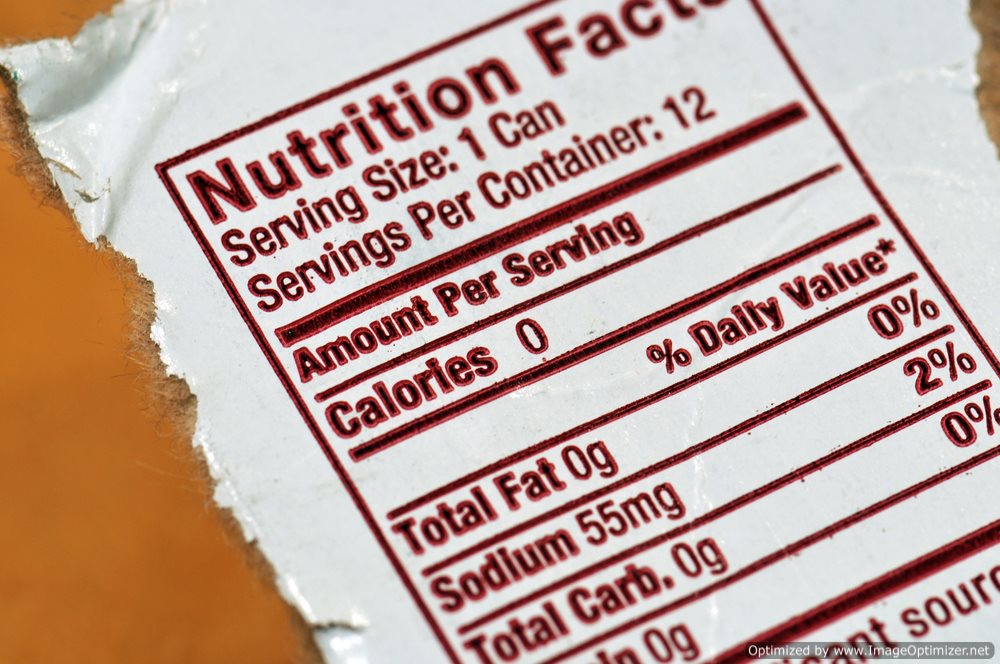
www.fda.gov offers individuals a forum to report problems associated with the food and medical industries. When a consumer comes across a problem, in regards to the safe administration of foods or drugs, they are encouraged to report the problem at www.fda.gov. Furthermore, www.fda.gov, also offers a section detailing the latest information regarding product or food recalls, as well as an assortment or warnings based on the health of various food industries.
The United States Food and Drug Administration is located at 10903 New Hampshire Avenue in Silver Spring, Maryland 20993. The phone number for the FDA is 1-888-INFO-FDA (1-888-463-6332)